Postural Assessment and Training in Redlands
You have been told to sit up straight since you were nine, and it has never held for longer than a minute. Posture holds when the muscles meant to hold it can. That is something we can measure, train, and measure again.
What is postural assessment and training?
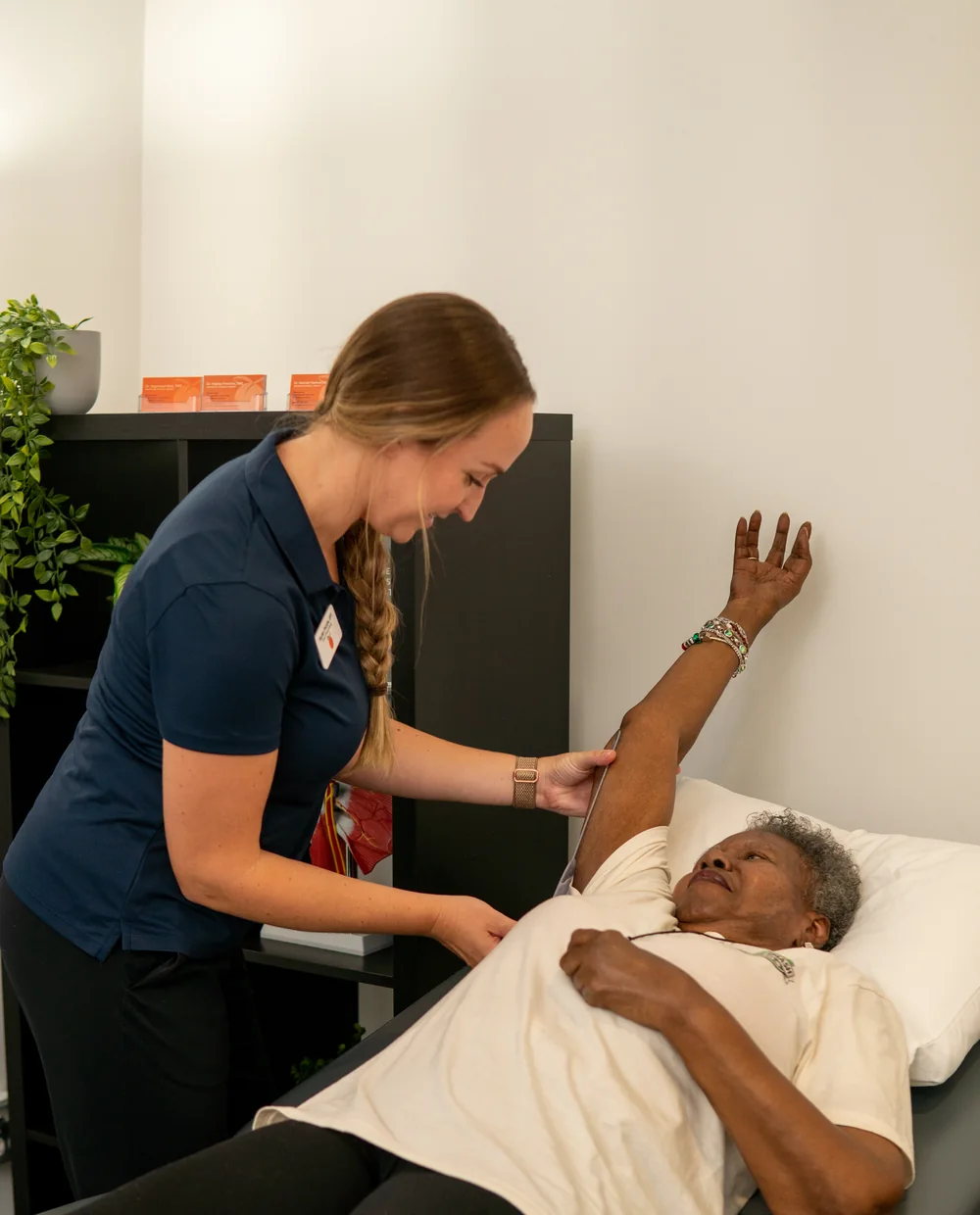
By three in the afternoon your neck aches, your shoulders have crept forward, and you have caught yourself pulling them back four or five times without any of it lasting. Being told to sit up straight was never going to fix that. Posture is not willpower. It is what your joints, muscles and endurance can hold without you thinking about it, and when the holding runs out the position goes. Postural assessment and training is the measurable side of that problem: an evaluation that puts real numbers on how you stand, sit, reach and walk, followed by a corrective exercise program aimed at the specific findings those numbers produce.
The assessment is done by a doctor of physical therapy and it is deliberately concrete. Where does your head sit over your shoulders. How far does your shoulder blade travel before your neck takes over. How long can you hold a position before the pattern collapses. What happens to your ribcage when you breathe. Those findings get written down and they get re-tested, so you can tell whether the program is working instead of relying on how you happen to feel that week. If the numbers point at an underlying asymmetry or a breathing pattern driving the whole thing, that is what postural restoration addresses, and the two are often run together.
Who it's for.
Postural problems rarely announce themselves as postural problems. They show up as an ache with no injury behind it, a lift that keeps breaking down, or a body that is slowly getting shorter.
Desk work that ends in neck ache
You are fine at nine and finished by three, with a headache starting behind your eyes. We measure what your upper back and deep neck muscles can actually hold, then train the ones that quit first, so the position stays without you having to police it all afternoon.
A lift or a swing that keeps breaking down
Your bar path drifts, your serve lost its height, or one shoulder always finishes lower than the other. The assessment finds where the position is being given away, and the corrective work rebuilds that link so the fault stops costing you power.
A back that is quietly rounding forward
Standing tall takes effort it never used to, and clothes hang differently than they did. We measure what can still be changed, train the extensors and the balance that keep you upright, and re-check the same measures so you can see the difference rather than take our word for it.
What to expect from postural assessment and training in Redlands.
This is a measurement program. The point of every visit is to change a number you have already seen, and to know which number it is. Nothing here depends on you remembering how you felt six weeks ago.
The assessment
About an hour, one on one with a doctor of physical therapy. You are looked at standing, sitting, walking, reaching and breathing, and then tested: joint range, strength, and endurance in the positions that matter to your day, along with whatever reproduces your symptom. You leave with your baseline in plain language and with the two or three findings that explain the most.
The corrective program
You get a short program, not a sheet of twenty exercises. Three or four movements aimed at exactly what failed, with the loads and repetitions written down so there is no guessing at home. Most plans run 2 to 3 visits a week for 4 to 6 weeks, with sessions of 30 to 60 minutes. Progress means the exercises change as you get stronger, not that you repeat the same six for a month.
The re-test, and taking it with you
Your therapist re-tests the same measurements at every visit. Once the numbers hold under fatigue, the work moves into your actual day: your chair, your bench, your job, your sport. Discharge is the Prevent phase, which here means a short program that keeps the position without supervision and a clear sense of what a slide backwards feels like early on.
There is no single correct posture, and no position anyone can hold all day. The goal is not a photograph, it is having the range and the endurance to move between positions without paying for it later. If your measurements stall, the driver is usually further down: an asymmetry through the pelvis and ribcage, or a breathing pattern that keeps pulling you back into the same shape. That is where postural restoration comes in.
EXCELLENT FACILITY - PROFESSIONAL FRIENDLY STAFF WHO ARE VERY WELL ORGANIZED AND FOCUSED ON PROVIDING EXERCISES TO IMPROVE YOUR ABILITIES.
Where to go next.
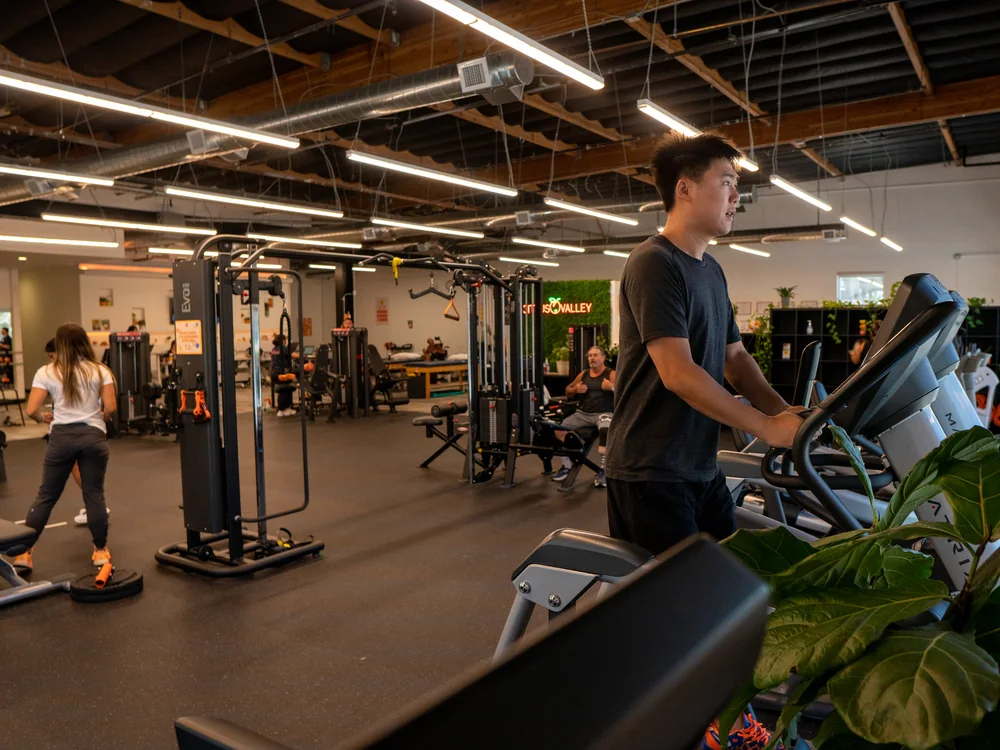
Postural Restoration
The asymmetry and breathing side of the same problem, and when it is the answer.
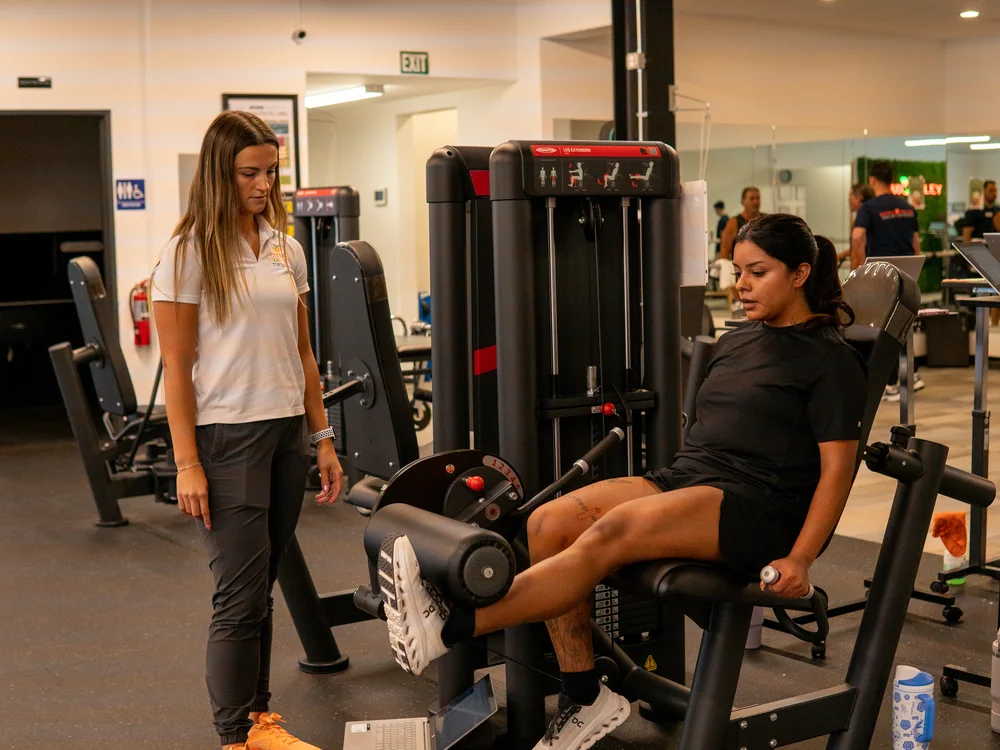
Neck Pain
The symptom that most often turns out to be a postural endurance problem.
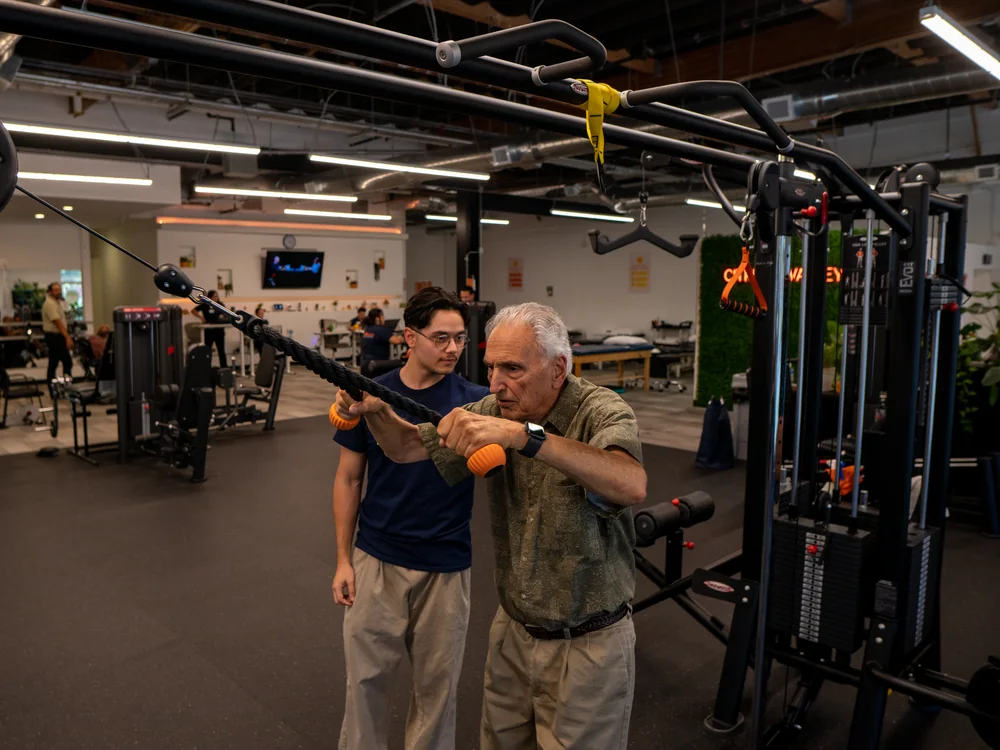
Shoulder Pain
When the shoulder blade cannot hold its position, the shoulder pays for it.
Ready when you are.
All fields are required.