Foot & Ankle Pain Treatment in Redlands
The first few steps out of bed are the worst part of the day, and you test the foot before you trust it. Walking around the pain is a habit, not a treatment plan.
What causes foot and ankle pain?
You pick shoes by how little they hurt, and you measure the walk from the parking lot before you agree to anything. Here is what rarely gets explained: the spot that hurts is where the load landed, not where the problem started. An ankle that lost motion after an old sprain, a calf that quietly shortened, an arch that gives way late in the day. Find the driver and the heel stops having to shout about it.
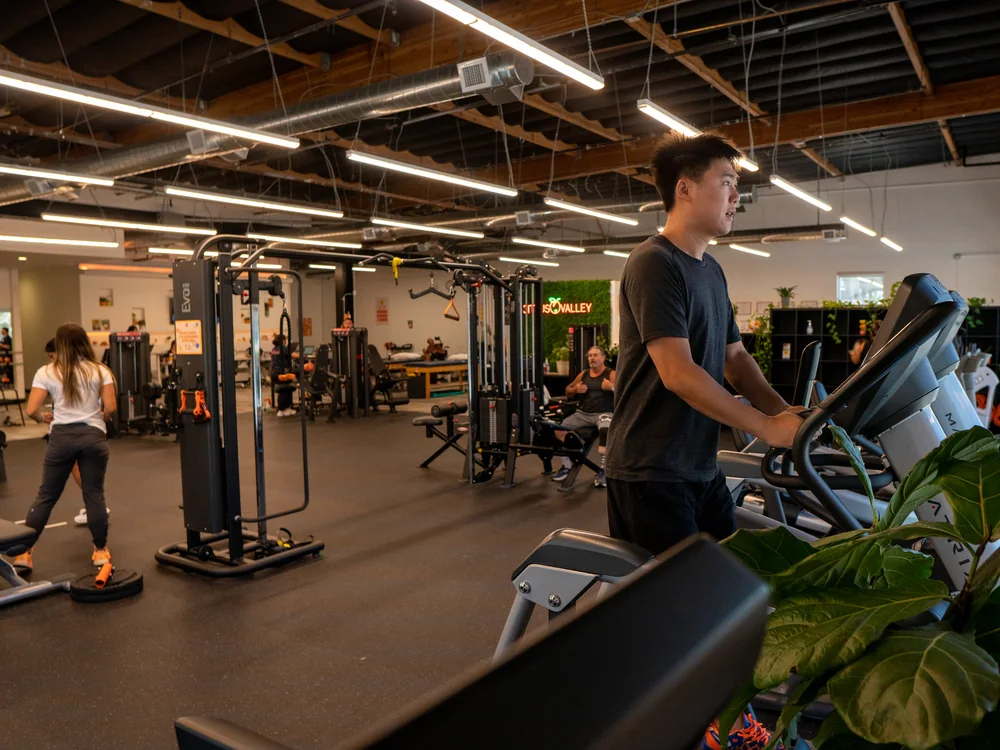
The plantar fascia is the thick band spanning the sole of your foot, and it helps the arch spring back with every step. Held under constant tension by a tight calf, a stiff big toe, or hours on hard floors, it becomes irritated and gives you that stabbing first step in the morning. It is a load problem more than a damage problem, which is why rest helps for a few days and then stops helping.
A sprain overstretches the ligaments on the outside of the ankle, and the swelling settles long before the ankle is ready. What stays behind is a loss of position sense: the ankle no longer reports to your brain fast enough to correct itself on uneven ground. That is why it rolls again on a curb or swells for no obvious reason years later. Balance and strength work restores the reflex a boot and rest never addressed.
The Achilles is the rope between your calf and your heel bone, and it absorbs the push off from every step. Add hills, speed, or standing hours faster than the tendon can adapt and it thickens and hurts, usually worst at the start of activity and again the next morning. Tendons do not respond to being left alone. They respond to specific, progressive load.
Your arch is a spring, not a fixed shape, controlled by small muscles inside the foot and larger ones up the leg. When those muscles fatigue the arch stays flattened, the foot rolls inward, and the strain travels to the inside of the heel, the shin, or the knee. Training the foot to control its own arch changes how force moves through the leg, which is why we rarely treat the foot alone.
Foot pain often shows up weeks after something changed: a job on concrete, shoes with a lower heel drop, a summer in sandals. The tissue was fine at the old load and is not yet fine at the new one. That matters, because the plan is usually about changing the ramp rather than giving up the activity.
After a broken ankle or foot surgery the bone heals on schedule, but the joint capsule, scar tissue, and calf do not. You are left with an ankle that will not bend far enough for a normal stride, so the forefoot and knee absorb what the ankle cannot. Restoring that motion and rebuilding calf strength turns a healed ankle into a working one.
How physical therapy in Redlands helps.
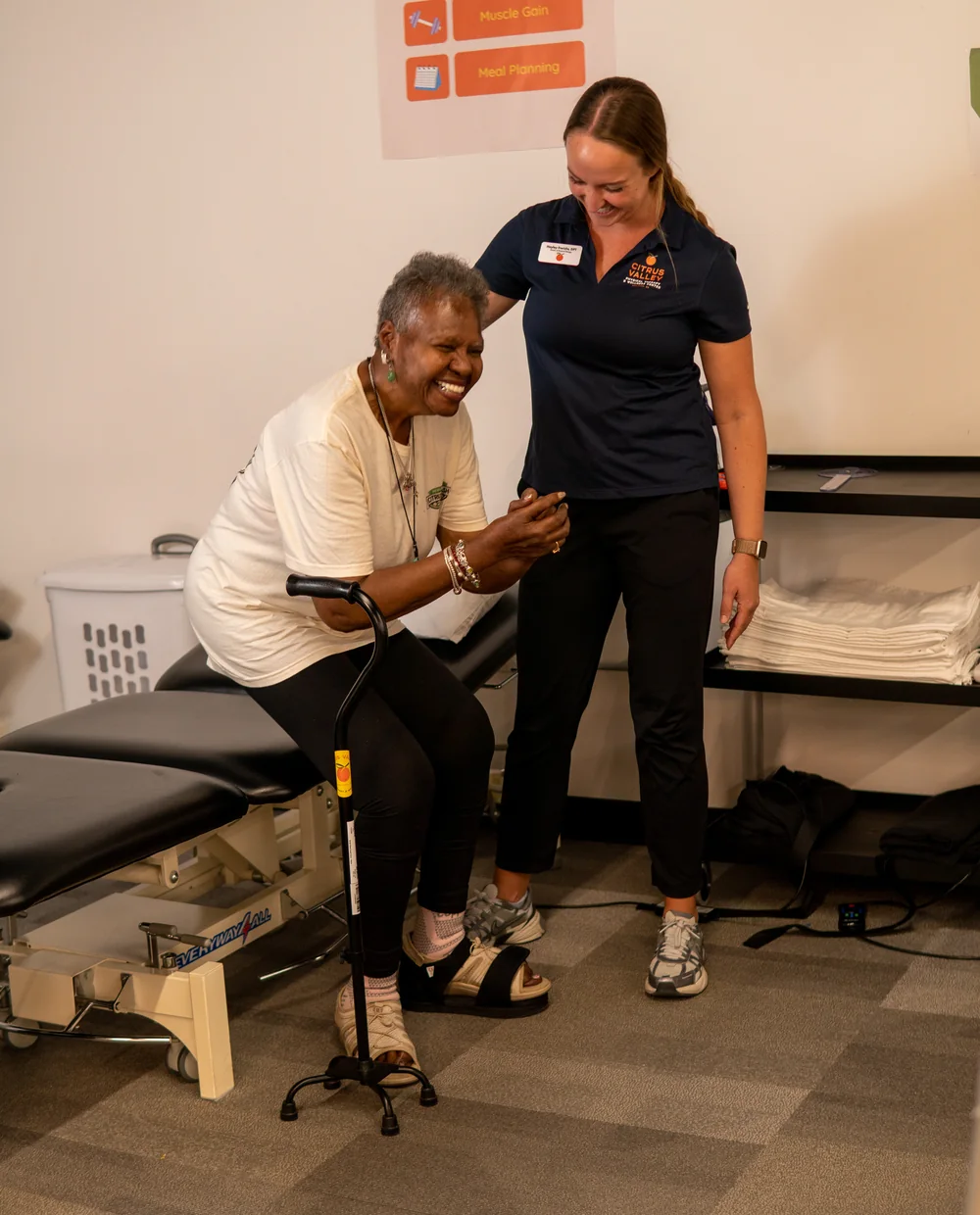
Feet are honest. They tell you within a few steps whether the plan is working. Your first visit is about an hour, one on one with a doctor of physical therapy, and it starts with watching you walk rather than poking the sore spot. We measure ankle and big toe motion, calf length, arch control, and hip strength, then load the painful tissue on purpose to see what provokes it. From there the plan follows the four phases we use with every patient: Pain, Prime, Perform, Prevent. Hands on work opens the door. The strengthening is what keeps it open. In California you can begin physical therapy without a physician referral for up to 45 days or 12 visits, whichever comes first, and we check your plan before your first visit so the cost is never a surprise.
What to expect from your recovery.
Your first hour
About an hour, one on one with a doctor of physical therapy. We take your history, including what changed in the weeks before the pain started, then watch you walk, test ankle and big toe range, check calf length and single leg balance, and press on the structures that are candidates. You leave knowing which tissue is irritated and what the first two weeks look like.
Settling it down and getting motion back
Visits run 30 to 60 minutes. Early on that means hands on work through the calf, the plantar tissue, and the joints of the ankle and midfoot, plus a home routine short enough that it actually gets done. We also change what is feeding the problem: a shoe, a stride, or the hours you stand before your first sit down. Your therapist re-tests your measurements every visit, so progress is measured rather than guessed at.
Loading it so it holds
Once the foot tolerates weight, we build it: calf raises progressed by range and speed, intrinsic foot work, single leg balance, and a graded return to walking, hiking, or running. Most plans run 2 to 3 visits a week for 4 to 6 weeks, and many patients notice a change in the first week or two. This phase is the one people skip on their own, and the one that keeps the pain from cycling back.
I walk in for treatment, everyone I see has a smile. The treatment is very organized, it's obvious that they care about my recovery. I'm happy Kaiser sent me here for therapy.
Pain rarely travels alone.
Hip & Knee Pain
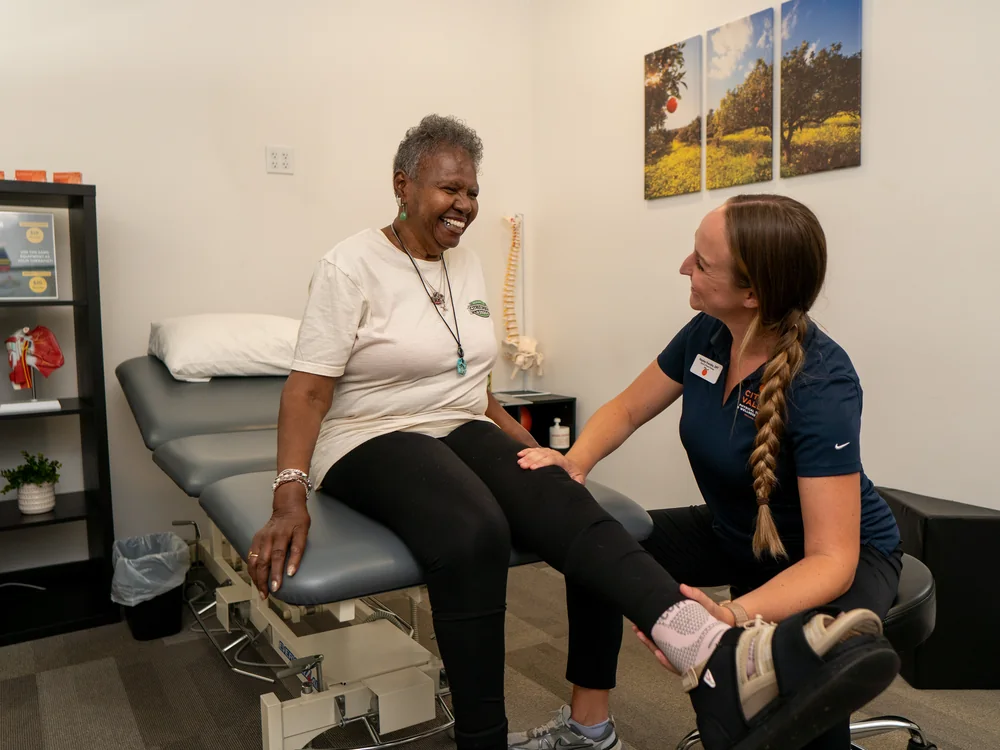
A stiff ankle changes how the knee and hip absorb every step. When foot pain has been around a while, the joints above it usually have something to say.
Balance & Gait Disorders
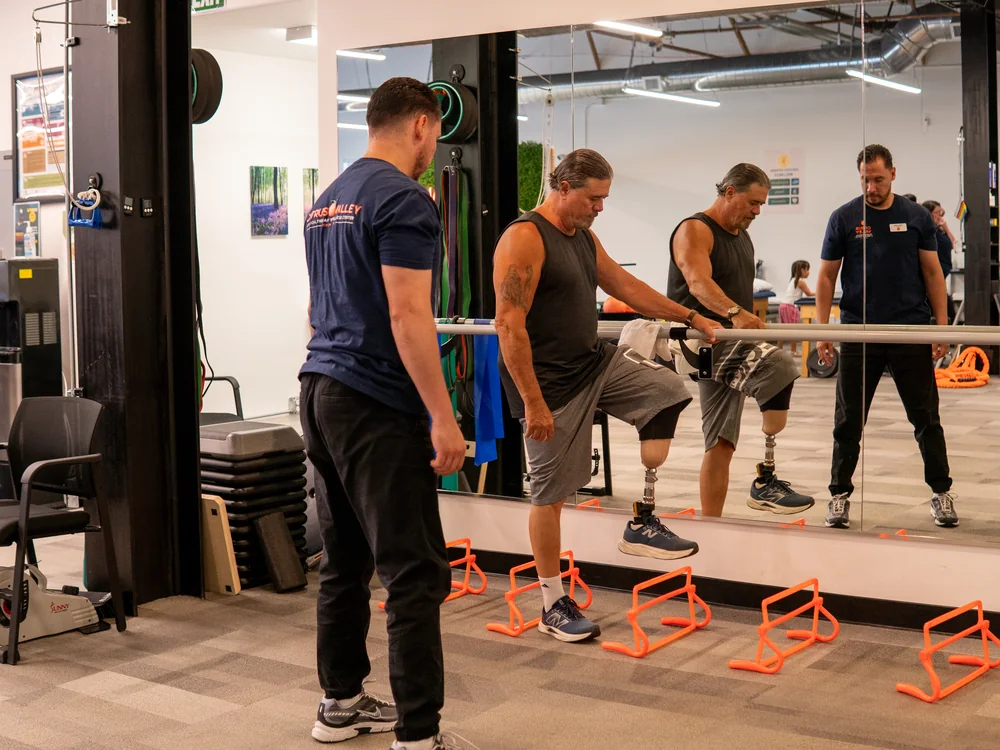
Your feet are the sensors your balance system relies on. An ankle that stopped reporting accurately reads as unsteadiness.
Sports Injuries
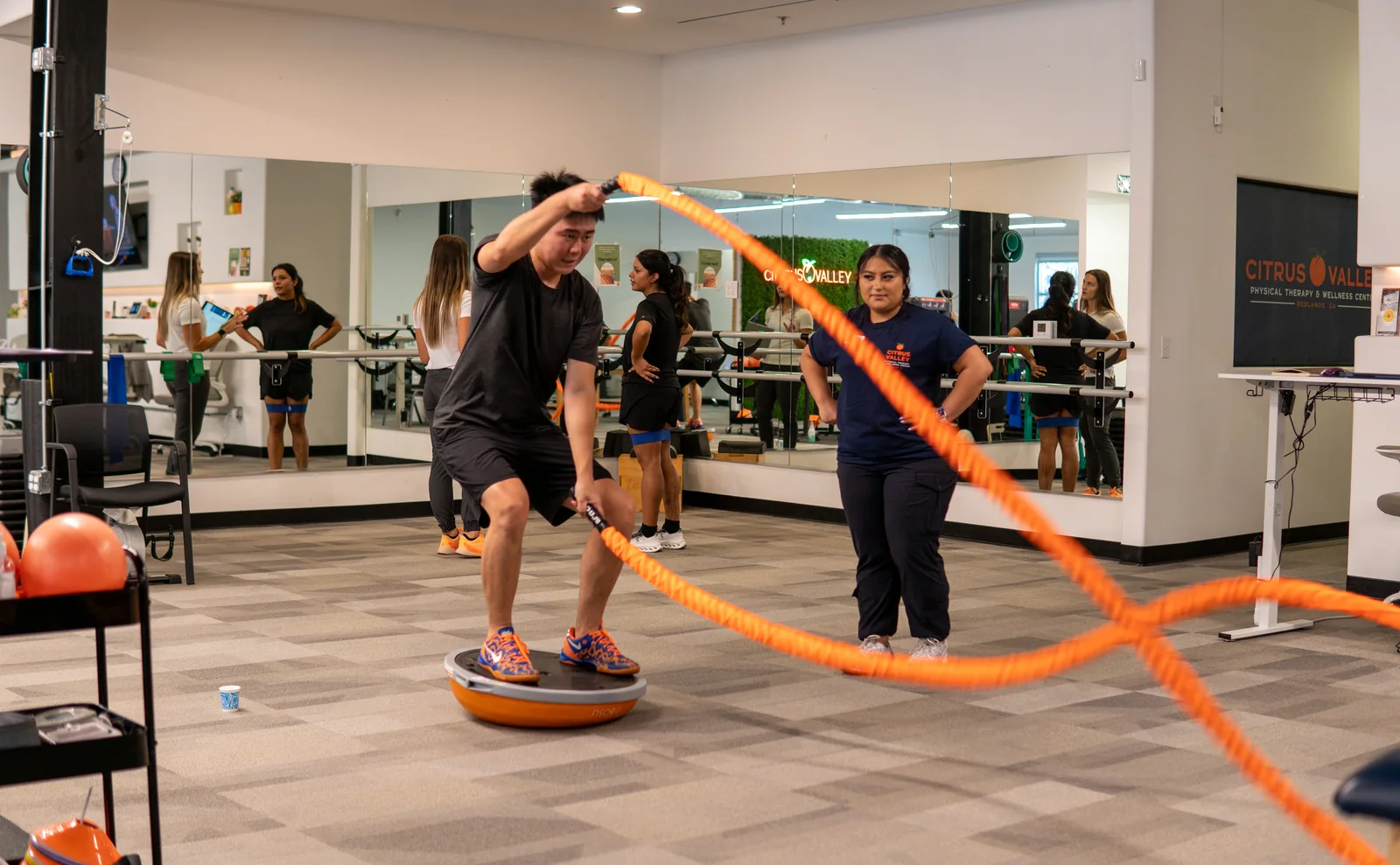
Ankle sprains repeat more than any other sports injury, largely because most are never rehabbed past the swelling.
Ready when you are.
All fields are required.