Sports Rehab in Redlands
Cleared to play is not the same as ready to play. Sports rehab is the work that closes the gap, built around your sport, your position, and the date you want to be back.
What is sports rehab in Redlands?
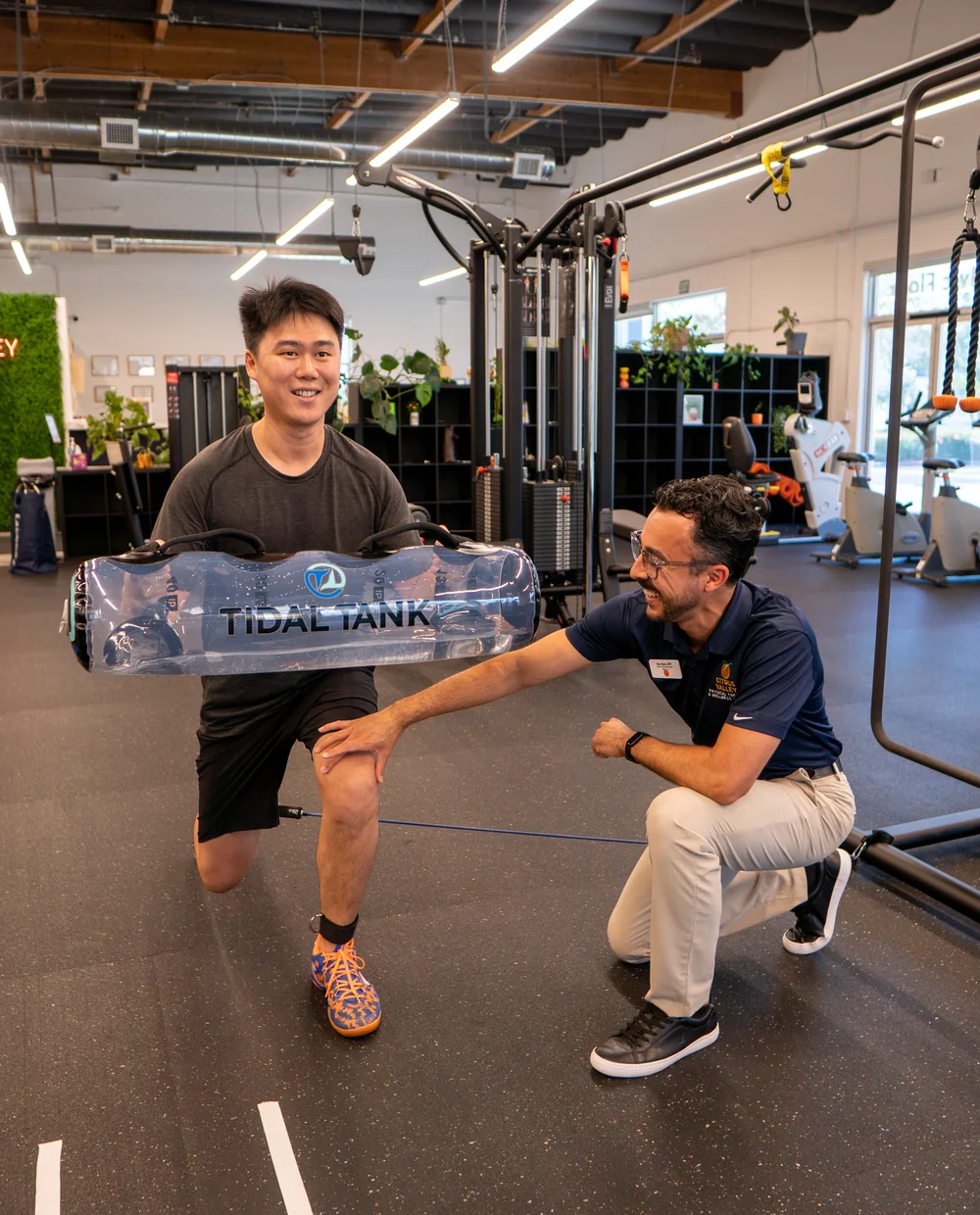
The scan came back clean. The doctor signed off. Then you cut hard on that leg for the first time and something in you flinched. That is not weakness and it is not in your head. Healed tissue and a ready athlete are two different finish lines, and most people get handed the first one and are left to find the second on their own. A repaired ligament can be structurally sound while the muscles around it still fire a beat late, the joint still loses control at speed, and the limb still cannot absorb the force your sport asks of it. That gap is where the second injury happens. Sports rehab is the work that closes it. We start from what your sport actually demands of you, in your position, at your level, and build backward from there. A pitcher's shoulder and a swimmer's shoulder fail for different reasons and they get different programs here. Every plan moves through the same four phases: calm the pain down enough to be assessed honestly, prime the motion and control the joint lost, perform under real load, then prevent the whole thing from repeating.
Sports rehab is not a separate world from the rest of your care. It sits on top of orthopedic therapy and shares the same assessment, then adds speed, landing mechanics, change of direction, and the repeat efforts your sport asks for. If you are still in the early painful stage of a sports injury, that is where you start, and the two overlap as you progress. Sessions run 30 to 60 minutes, one on one. In California you can begin physical therapy without a physician referral for up to 45 days or 12 visits, whichever comes first, and some insurance plans still require one, so call or text and we will check yours before your first visit.
Who it's for.
Three athletes can walk in with the same knee and leave with three different programs. What you need depends on where you are in the season and what your sport asks of you.
Something gave out mid play
A ligament, a hamstring, a shoulder. The early work settles the joint down enough to be assessed honestly, then rebuilds the strength and control you lost while you were protecting it. What we measure is whether the injured side matches the healthy side under real load, not just whether the pain has gone quiet.
Cleared by the doctor, not convinced by your body
You have the note that says you can return and you still hesitate on the first cut, the first landing, the first throw at full speed. This phase trains those exact moments until your body proves it can handle them. The goal is that you stop thinking about the injury while you are playing.
The same injury, for the third season
Hamstrings that keep tearing, ankles that keep rolling, a shoulder that flares every year. Recurring injuries usually trace back to a weak link somewhere else in the chain, so we test the whole pattern and load the part that keeps failing. The goal is a season that finishes the way it started.
What to expect in a session.
The first visit is about an hour, one on one with a doctor of physical therapy. After that, most plans run 2 to 3 visits a week for 4 to 6 weeks.
The evaluation, and your baseline numbers
You tell us the sport, the position, the injury, and the date you want to be back. Then a doctor of physical therapy takes measurements: range of motion, strength compared side to side, and how the joint behaves when you hop, squat, or reach overhead. Those numbers become the baseline every later visit is compared against, which is how progress gets measured instead of guessed at. Bring your competition or training schedule if you have one, because the calendar shapes the plan.
Loading the injury on purpose
Early sessions calm the irritated tissue and restore the motion you lost, then the work deliberately gets heavier. Tendon and muscle only get stronger when they are asked for more than they are used to, so load climbs in steps you have earned rather than on a fixed calendar. You also leave with a short home program, because what happens on the days between visits decides how quickly this middle phase moves.
Return testing, then keeping it
Before full competition, we retest: strength limb to limb, hop distance and landing quality, and how your movement holds up when you are tired rather than fresh. Whatever still lags becomes the last block of work. You leave with a maintenance plan for the in season weeks, because the prevent phase is what decides whether you are back in this clinic next year with the same problem.
Some soreness after a heavier session is normal and usually settles within a day. Swelling that returns after every visit, a joint that buckles, catches, or locks, or pain that climbs steadily through the week are signs the load is ahead of the tissue. Tell your therapist rather than pushing through it, and the program gets adjusted at that visit.
Very happy so far with my experience there and Dr. Nick is awesome!!! He is thorough and asks all the right questions and listens and hears what you have to say- very important for effective PT.
Where to go next.
Sports Injuries
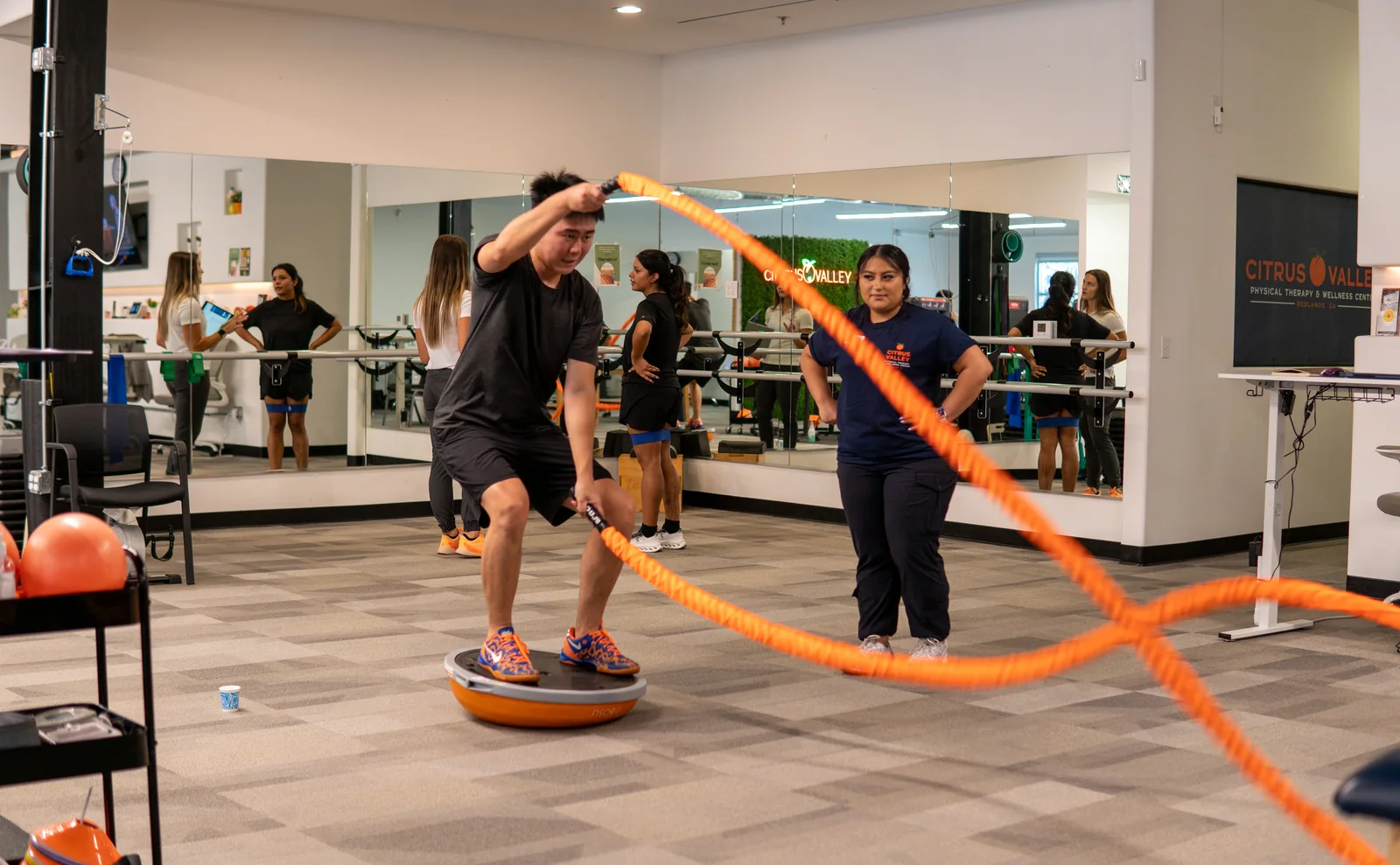
Sprains, strains, and the joints that gave out mid game. What we look for and how each one is treated.
Orthopedic Therapy
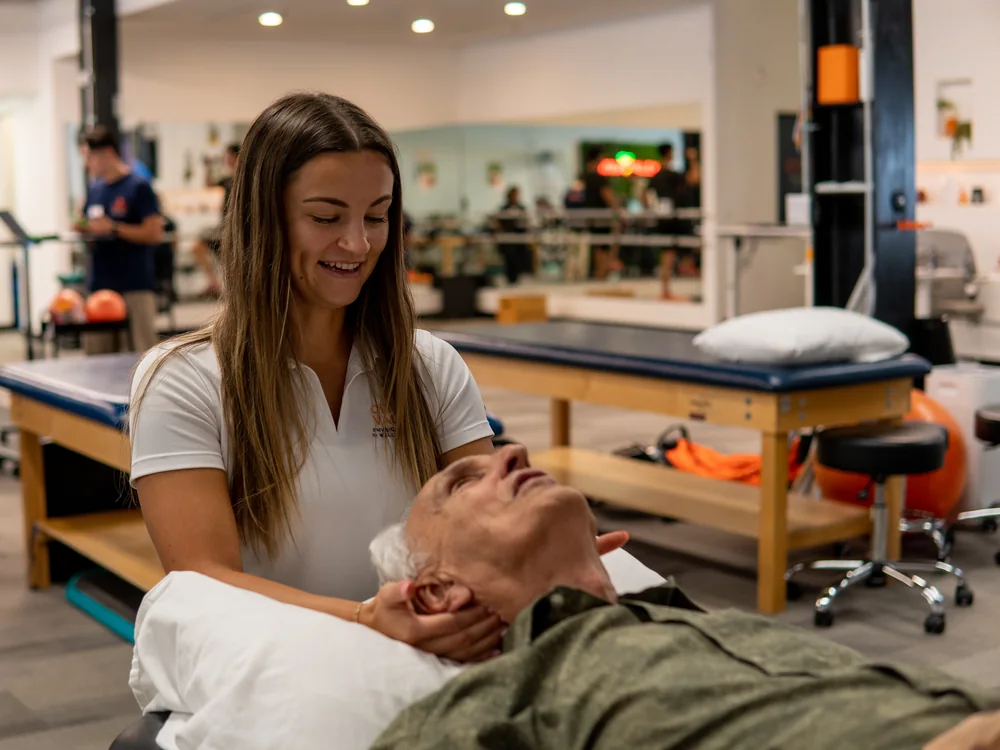
The joint, tendon, and muscle work that every sports rehab program is built on top of.
Physical Therapy
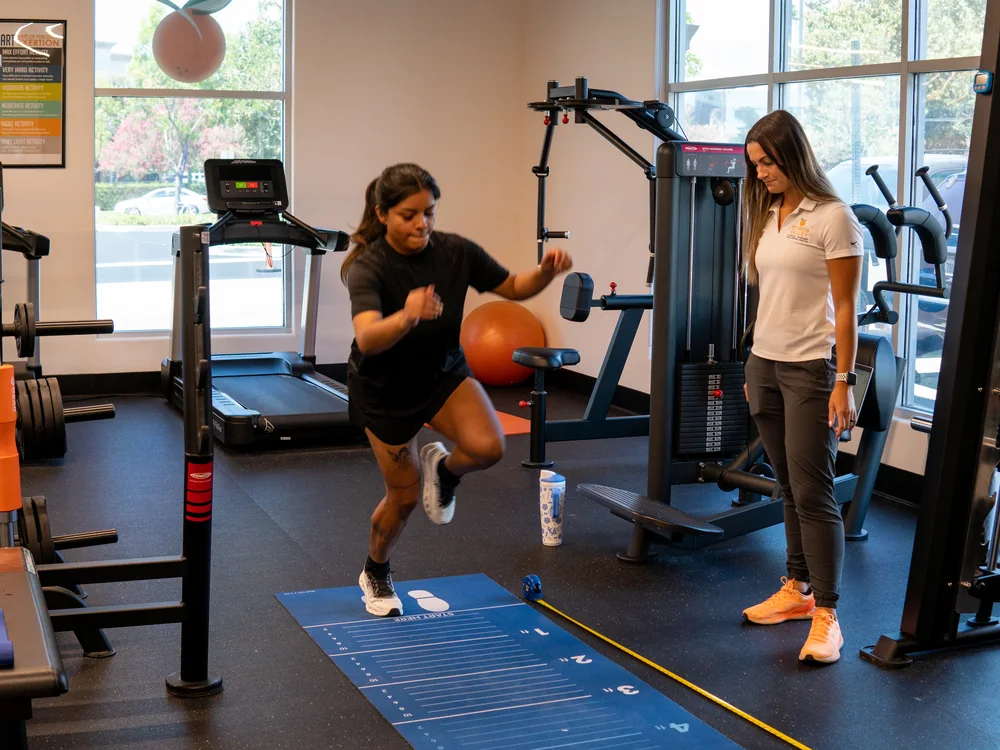
One on one care in Redlands, 30 to 60 minutes a visit, for whatever is keeping you out of your sport.
Ready when you are.
All fields are required.