Sports Injury Rehab in Redlands
You have been taping it, icing it and playing through it, and now it is deciding what you can and cannot do. The injury is the loud part. The reason your body was in a position it could not tolerate is usually somewhere else, and that is what an evaluation is for.
What causes sports injuries?
You can usually name the moment. A cut that did not go the way you planned, a landing that felt wrong, a serve that ended the set early. What nobody can name is why the tissue gave out on that rep and not the thousand before it. Most sports injuries are not bad luck. They are the point where demand finally passed what the tissue was prepared for, and the gap usually opened weeks before the play everyone remembers. So the evaluation here looks at two things: the injured tissue, and the pattern that kept overloading it.
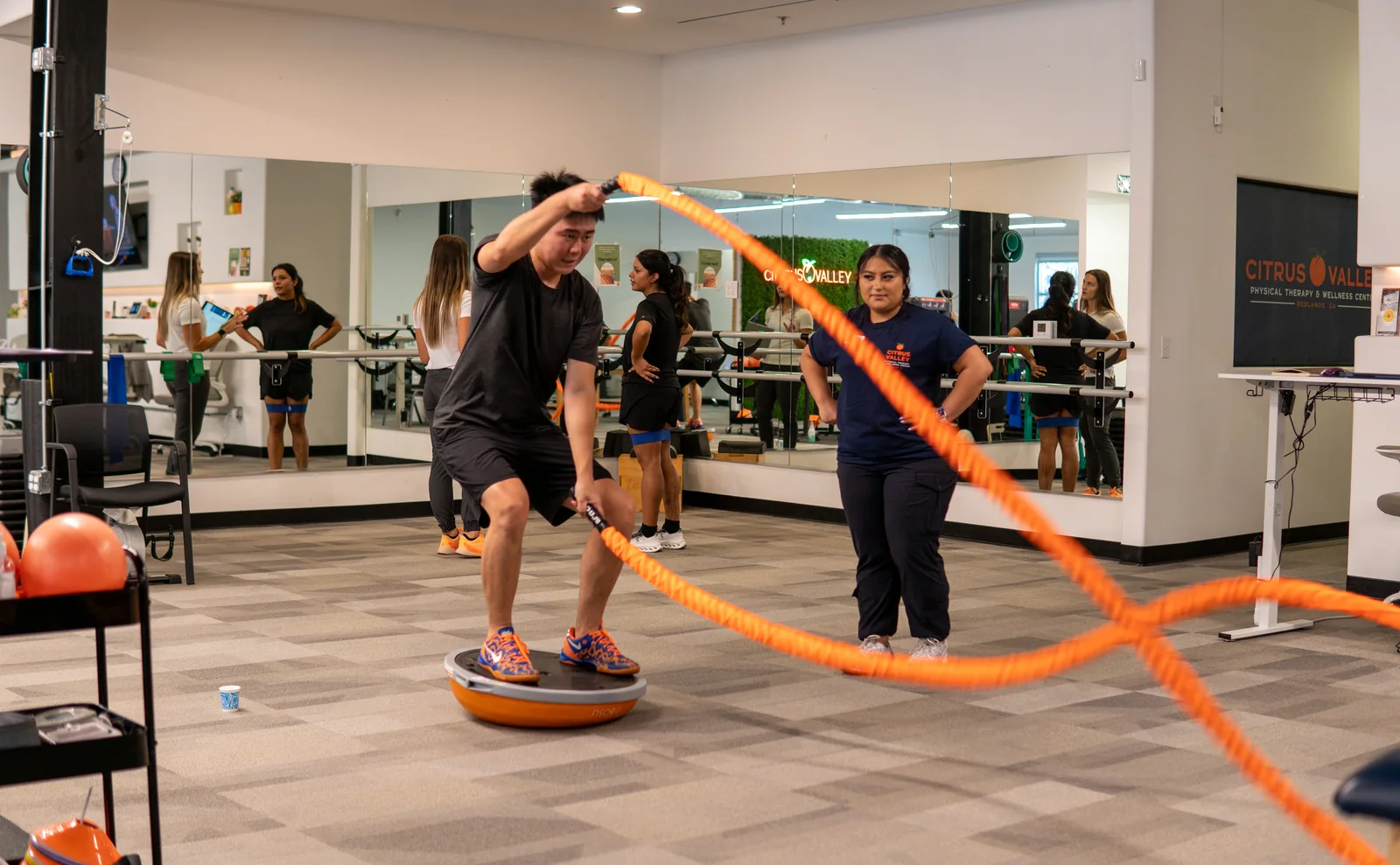
A sprain is a ligament pushed past what it could take. A strain is the same event in a muscle or tendon. Both heal on a predictable timeline, but only if they are loaded on purpose while they heal. Rest alone lays down tissue that is shorter and less tolerant than what it replaced, which is why the same ankle or hamstring keeps going out.
Tendon and bone do adapt to stress, but slowly, and on their own schedule rather than yours. When volume or intensity jumps at the start of a season, tissue breaks down faster than it rebuilds, which is where Achilles and patellar tendon pain and shin pain come from. The answer is rarely total rest, because rest lowers capacity further.
Knees do not usually collapse inward because the knee is weak. They collapse because the hip cannot hold the femur where it belongs under load, just as a shoulder that pinches overhead is often a shoulder blade that stopped rotating. Treat only the sore spot and the mechanism is still waiting the first time you sprint.
The strongest predictor of your next injury is the one you already had. Pain leaves long before strength, single leg control and joint position sense come back, so most athletes stop at the point where they feel fine rather than the point where they test equal. Those quiet deficits show up under fatigue, which is when sport asks the most.
Every sport loads the body in its own direction. Overhead throwing stresses the shoulder and inner elbow at speeds no gym exercise reproduces, cutting loads the knee sideways, and racquet sports build a strong side and a neglected one. If training never rehearses those demands, your first exposure to them is the game.
Six weeks is a guideline, not a clearance. Returning because a date arrived, rather than because strength and single leg control tested close to the other side, is the most common reason a first injury becomes a recurring one. Your therapist re-tests measurements at every visit, so the decision is made with numbers rather than a guess.
How physical therapy in Redlands helps.
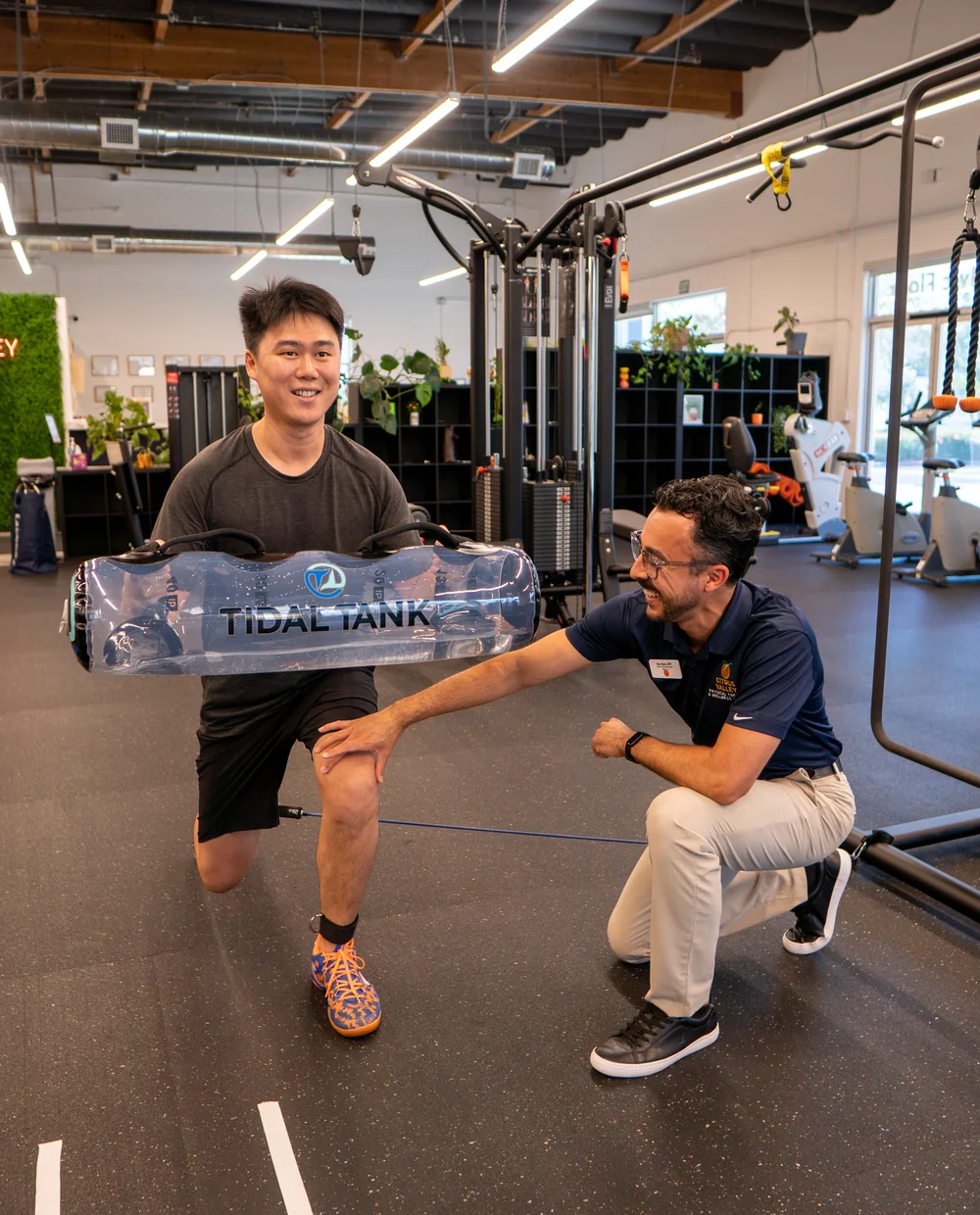
Care here runs in four phases, in this order. Pain calms the injured tissue with hands on work and managed load, so it can be assessed honestly rather than guarded. Prime restores what the joint lost, the last degrees of motion and the control that disappeared while you protected it. Perform is where most rehab stops too early: loading the tissue heavy enough and fast enough to meet your sport, then rehearsing the cuts, landings and overhead positions that caused the problem. Prevent is the two or three things that hold your weak link together through a season. Sessions run 30 to 60 minutes, one on one, and most plans run 2 to 3 visits a week for 4 to 6 weeks.
What to expect from your recovery.
The first visit, about an hour, one on one
Your first appointment runs about an hour, one on one with a doctor of physical therapy. You will walk through how the injury happened, what has helped since, and what you are trying to get back to. Then the exam: motion at the injured joint and the joints either side of it, strength tested side to side, single leg control, and the movement that reproduces your symptoms. You leave with an explanation of the mechanism and a plan. In California you can start without a physician referral for up to 45 days or 12 visits, whichever comes first, and some plans still require one, so call or text and we will verify your benefits before you come in.
Calming it down, then building it back
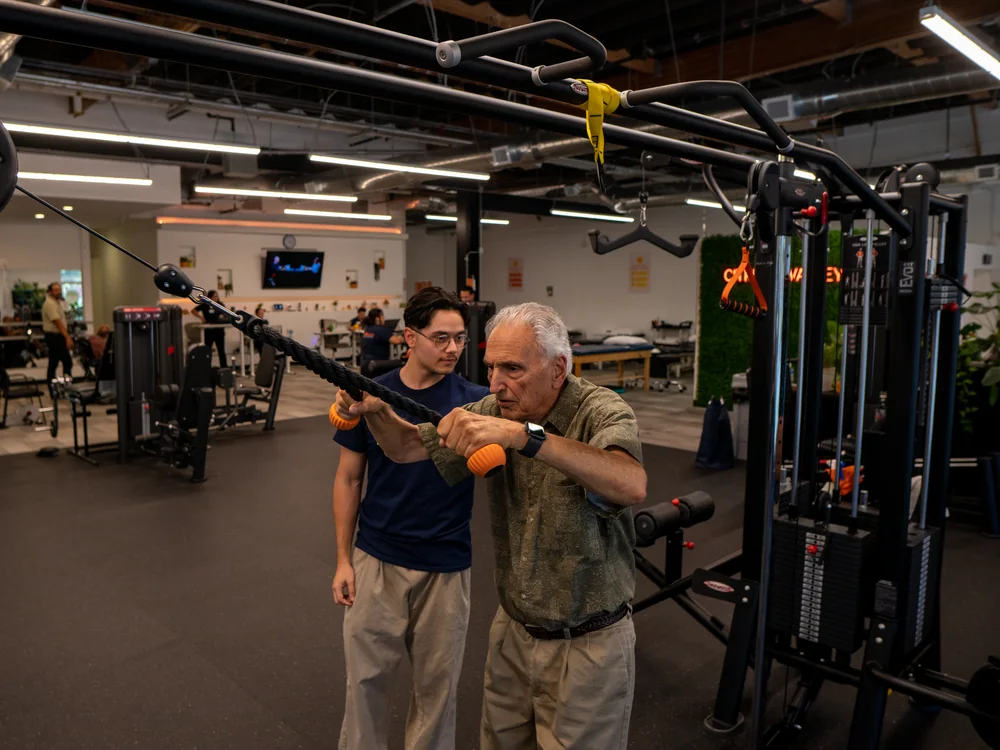
Early visits pair hands on treatment with movement you can tolerate that day, because tissue left completely unloaded heals weaker. As symptoms settle the emphasis moves from relief to capacity: restoring the last degrees of motion, retraining the hip or shoulder blade control that let the injury happen, and progressively loading the healing tissue. Measurements are re-tested at every visit, and most patients notice a real change in the first week or two.
Return to sport on criteria, not on a date
The last phase looks less like therapy and more like training: heavy, then fast, then unpredictable. Before you return we compare the injured side to the healthy side on strength and single leg testing, and watch the movement that caused the injury under fatigue, because that is when mechanics fall apart. Then you leave with the maintenance work that keeps your weak link from becoming the next injury.
Great place!! Staff very friendly! Trainers are knowledgeable will answer any/ all questions you may have regarding ur therapy! I'd definitely recommend citrus valley to anyone in need of therapy.
The injury rarely stays in one place.
Hip & Knee Pain
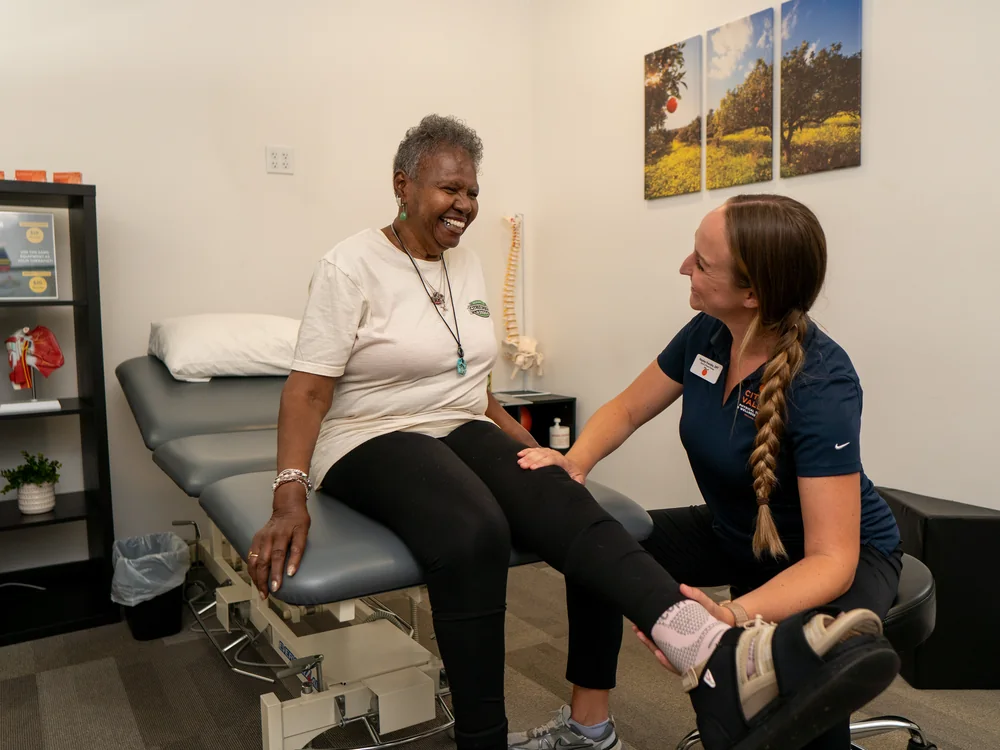
Cutting, landing and running load the hip and knee hardest. Most knee pain answers to hip control.
Foot & Ankle Pain
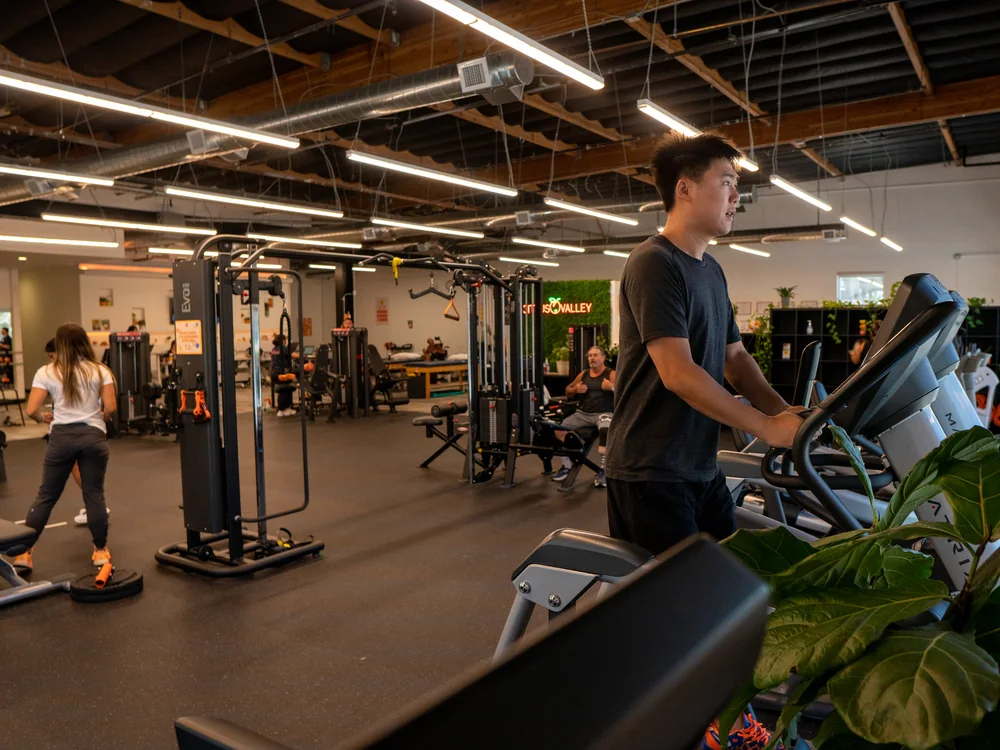
The ankle sprain that never got rehabbed is the one that keeps rolling. We close that gap.
Shoulder Pain
Throwing, swimming and overhead lifting punish a shoulder blade that stopped rotating properly.
Ready when you are.
All fields are required.