Shoulder Pain Treatment in Redlands
You stopped sleeping on that side a while ago. You reach with the other arm now without deciding to. Shoulder pain is usually less about something being torn and more about which muscles quietly stopped doing their share.
What Causes Shoulder Pain?
The shoulder trades stability for range. It is the most mobile joint you own, and it stays centered only because the rotator cuff and the muscles steering your shoulder blade hold it there. When one part of that system fatigues or stiffens, the ball drifts a few millimeters out of position and the tendons underneath get compressed on every rep. That is why shoulder pain so often builds over months with no single injury to point at.
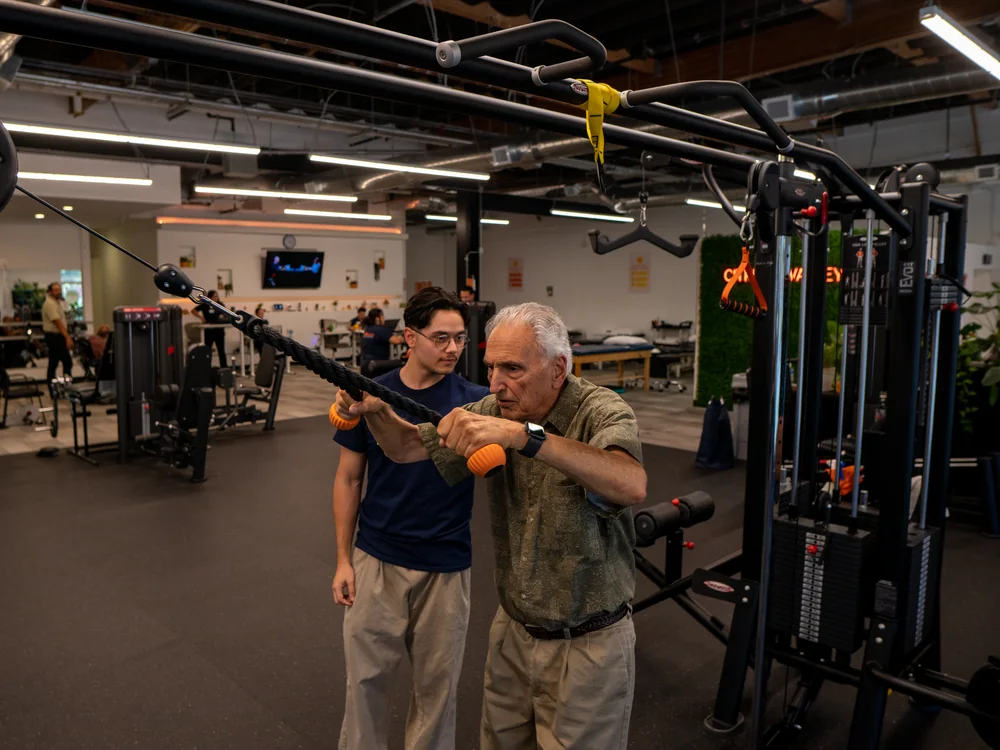
The rotator cuff is four small muscles whose job is to keep the ball of the joint centered while the big muscles move the arm. Overload without enough recovery irritates the tendon, and a fall or a hard pull can tear it outright. The signature is pain reaching overhead or out to the side, and waking at night when you roll onto it. Plenty of cuff tears do well without surgery, because the goal is a shoulder that controls itself, and that is trainable either way.
There is a narrow corridor between the top of the arm bone and the bony roof above it, and the cuff tendon and bursa run through it. When the cuff is fatigued or weak, the head of the humerus rides upward and pinches that tissue on every overhead reach. It feels like a sharp catch in one arc of motion, then easier again above it. Restoring the muscles that pull the joint back down is the fix, not avoiding the movement forever.
The capsule wrapping the joint thickens and contracts, so motion is lost in every direction, including when someone else moves the arm for you. It often follows an injury or a period in a sling, and it moves through painful, stiff and thawing stages. Treatment is matched to the stage: calming an angry shoulder early, then sustained mobilization and loading to win the range back.
Your shoulder blade has to rotate upward and tip back as the arm rises, otherwise the socket never gets out of the way of the arm. When the muscles that produce that motion are weak or poorly timed, the joint is left to reach into a space that has not opened. This is one of the most commonly missed drivers of stubborn shoulder pain, and it is why treatment often targets the mid back rather than the sore spot.
The acromioclavicular joint sits on top of the shoulder where the collarbone meets the shoulder blade, and it takes load with pressing, overhead work and reaching across the body. A fall onto the shoulder and simple wear both leave a small, pinpoint ache you can put one finger on. Changing how the shoulder blade and cuff share the load usually settles it without treating the joint directly.
Nerves from the neck supply the shoulder, so an irritated cervical joint or nerve root can produce pain in the shoulder and upper arm while the shoulder itself tests clean. The tell is pain that changes with neck position, or that comes with tingling or weakness down the arm. This is why the evaluation screens the neck before anyone treats the shoulder.

How Physical Therapy in Redlands Helps
The first visit is about an hour, one on one with a doctor of physical therapy, and it is spent working out which of the causes above is yours. We measure range of motion, test the cuff muscle by muscle, watch how your shoulder blade moves as the arm rises, and screen your neck before accepting that the shoulder is the source. Treatment follows what the testing found: hands on work where motion is restricted, targeted strengthening for the cuff and shoulder blade, and coaching on how to load the arm at work or in the gym without re-irritating it. Sessions run 30 to 60 minutes and most plans of care are 2 to 3 visits a week for 4 to 6 weeks, with your measurements re-tested at every visit rather than at the end.
What to Expect
The evaluation
An hour, one on one with a doctor of physical therapy. We take the history that matters: how it started, what you cannot do anymore, whether it wakes you, and whether anything travels down the arm. Then we measure range of motion, strength through the cuff, shoulder blade mechanics and the neck. You leave the first visit knowing which structure is irritated, what has been overloading it, and what the plan is going to ask of you.
Calming it down and opening it up
Early sessions bring the pain down far enough that the shoulder can actually be trained. That usually means joint mobilization for restricted motion, soft tissue work through the cuff and upper back, and a short list of things to stop doing for now. You get a home program at this stage too, because the shoulder responds better to frequent small doses than to one hard session a week.
Loading it until it holds
Once motion is available, the work turns to strength: the rotator cuff, the muscles that rotate and stabilize the shoulder blade, and then the arm under real load overhead and across the body. This is the phase most people skip, and it is the one that keeps the pain from coming back. We progress toward your specific demands, whether that is a paint roller, a barbell or a night of sleeping on that side.
Doctor Nick is very knowledgeable and very thorough! He helped me work through a torn rotator cuff, and a hip that had lost alot of motion, and was very painful.
Related conditions we treat in Redlands.
Neck Pain
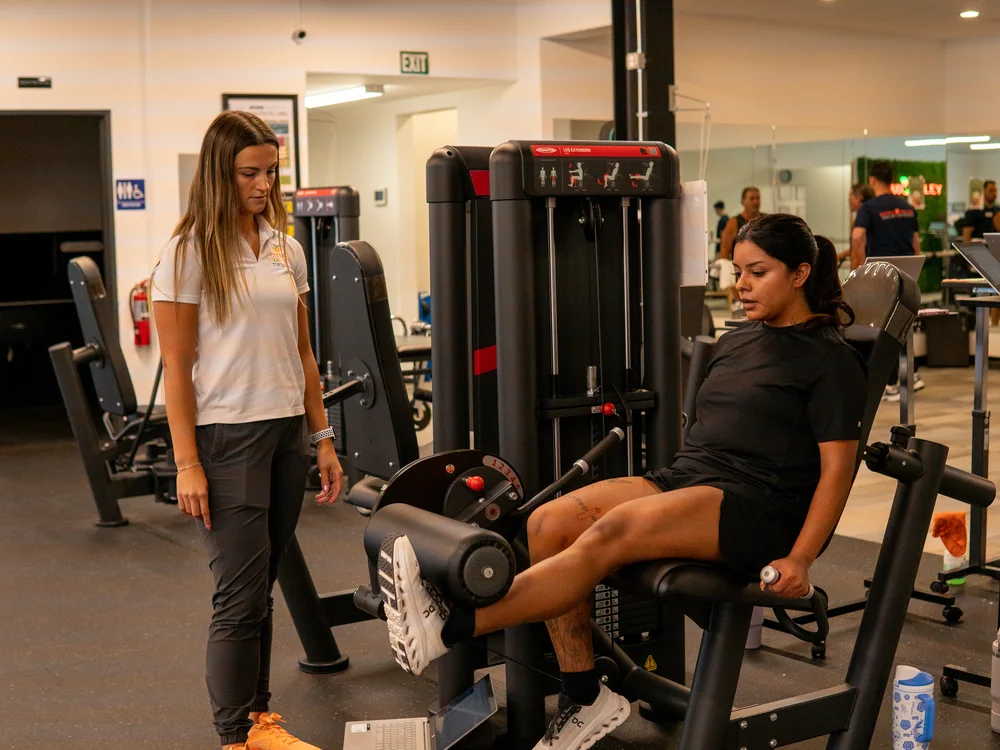
The neck refers pain into the shoulder and upper arm often enough that it gets screened at every shoulder evaluation.
Elbow, Wrist & Hand Pain
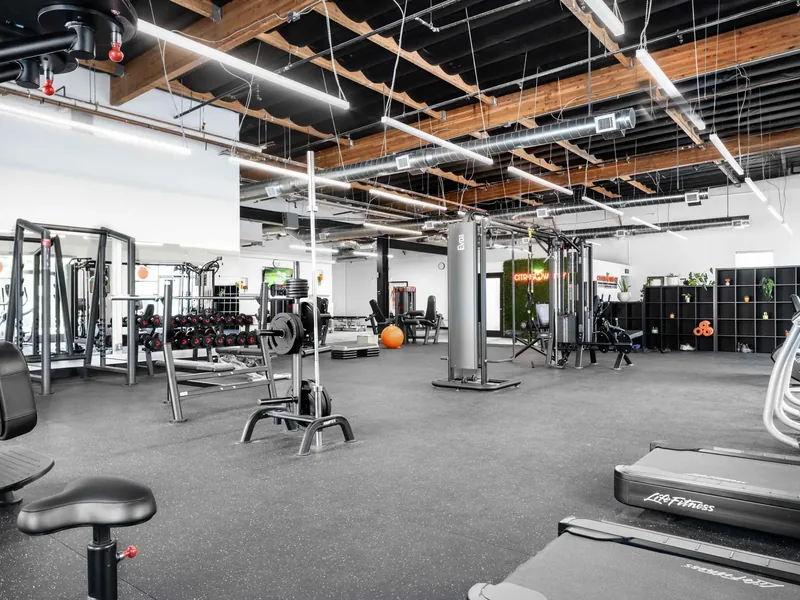
A shoulder that will not stabilize hands the work down the arm. Elbow and wrist pain often starts higher up.
Sports Injuries
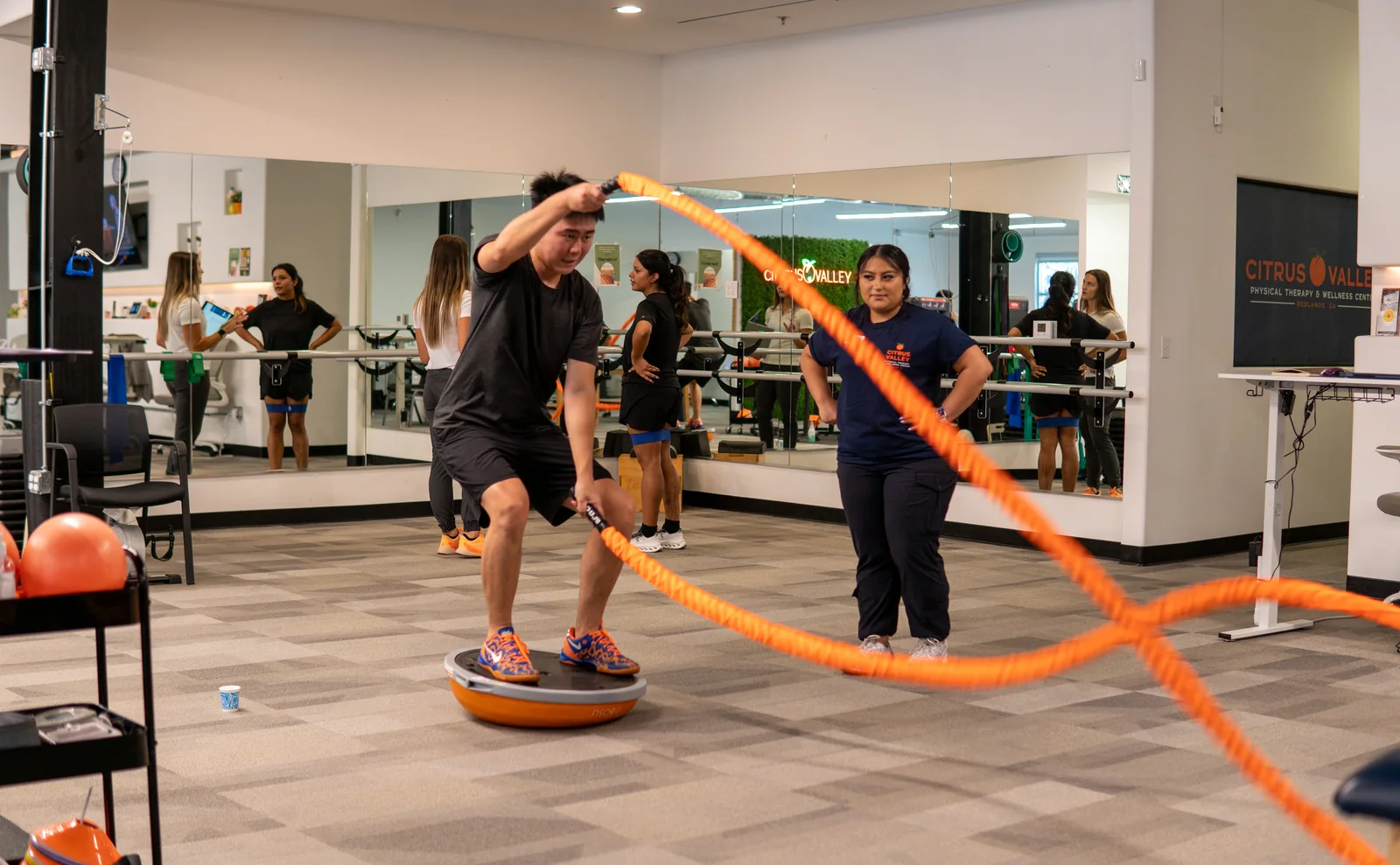
Throwing, swimming and overhead lifting all live at the edge of what a shoulder tolerates. Capacity is the answer.
Ready when you are.
All fields are required.