IASTM in Redlands
A dense, ropey spot that stretching never reaches. Contoured steel instruments find it, work it, and hand the tissue back to you.
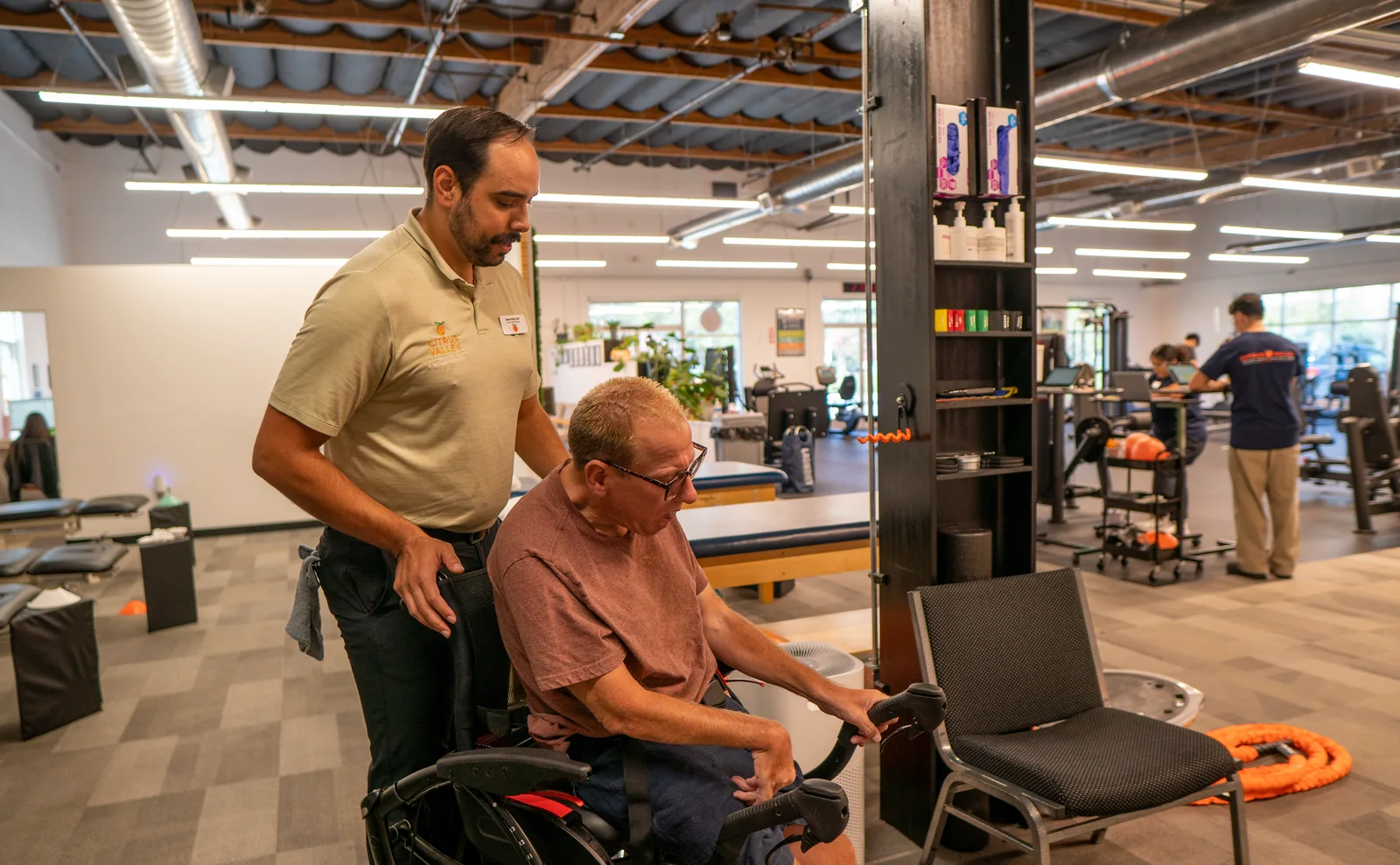
What is IASTM?
You have found the spot with your own thumb a hundred times. It is that dense, ropey band in the calf or the forearm or along the shoulder blade, and it feels different from the tissue around it. You dig at it, it eases for an hour, and by the next morning it sits exactly where it was. That is not a discipline problem. Soft tissue that has been strained, overloaded, or held still after surgery lays down repair collagen in a disorganized way, and that repair tissue is denser and less mobile than the tissue it replaced. It does not stretch out, because it was never a stretching problem. IASTM stands for instrument assisted soft tissue mobilization, the category that Graston technique belongs to. Your physical therapist uses contoured stainless steel instruments to glide, sweep, and strum across the skin over the restricted area. A bevelled edge transmits pressure more precisely than a thumb can, and it gives the therapist far better feedback about what lies underneath, because the instrument catches and vibrates slightly as it passes over restricted tissue. Restrictions get found rather than guessed at.
The effect is mechanical and neurological at the same time. Controlled pressure along a restriction changes how that tissue slides against the layers next to it, and the sensory input from the treatment turns down the guarding response that has been holding the area tight. Both of those effects are short lived on their own, which is exactly why instrument work is never the whole visit here. The instruments open a window, and what goes into that window is movement: range of motion work while the tissue is more mobile, then loading that gives your body a reason to keep the range. Treatment is applied to one specific region for part of a 30 to 60 minute session, not broadly across the body. IASTM sits inside the same hands-on toolkit as manual therapy and cupping, and your therapist chooses between them based on what your tissue actually does under their hands.
Who It's For
Instrument work is not a standalone treatment and it is not for every sore muscle. It earns its place when one patch of tissue has stopped moving the way the tissue around it does.
Scar tissue after surgery or a tear
A repaired Achilles, a healed hamstring strain, an incision that has knit down to the layer beneath it. Instrument work along and around the scar restores glide between tissue layers so the area tolerates lengthening again. The outcome your therapist measures is range: how far the joint travels before the scar becomes the limit.
Tendon pain that has outlasted rest
Tennis elbow, patellar tendon pain, heel pain that is worst on the first steps of the morning. Rest quiets these down and they return the moment load returns. Instrument work stimulates the tissue instead of protecting it, and your therapist then loads the tendon on a progression. The outcome measured is what you can do before symptoms start.
Chronic tightness stretching never fixes
The upper trap that is always switched on. The calf that will not let your knee travel forward over your toes. Instrument work finds the restricted band and changes how it slides, so the mobility drill you do afterwards actually holds. The outcome measured is whether the range you gain in the session is still there at your next visit.
What to Expect from IASTM in Redlands
Your first visit is about an hour, one on one with a doctor of physical therapy. Instrument work is a step inside that visit, never the whole of it.
Find it before treating it
Your therapist screens the movement that hurts, then works through the region by hand and passes an instrument lightly over the skin to map where the tissue is restricted. You will feel where it catches, and so will they. Nothing gets treated until you both agree on where the problem actually sits, because scraping a spot that is merely sore accomplishes very little.
The treatment pass
A lubricant goes on the skin and the therapist works the instrument across the area at an angle, changing pressure and direction based on what the tissue gives back. It feels firm and slightly gritty over the restricted spots and like almost nothing over healthy tissue. It should register as pressure you can breathe through, not pain you have to brace against, and you say so out loud if that line gets crossed.
Load the window
Immediately after, you move: range of motion work first, then strength through the range you just got back. This is the part that makes the session stick, and skipping it is why instrument work alone tends to wear off. You leave with one or two things to do at home so the tissue keeps being asked to move between visits, and your therapist re-tests your measurements next visit to see whether it held.
Redness over the treated area is normal and usually fades within a few hours. Small bruising or petechiae, the pinpoint red speckling some people get, can happen too, and tenderness the following day is common. None of that means something went wrong, but tell your therapist so pressure can be adjusted next time. Instrument work is not used over broken or infected skin, an open wound, an unhealed fracture, an active blood clot, or an area with a new unexplained lump. Tell your therapist if you take blood thinners or have been diagnosed with osteoporosis, so the technique can be modified or a gentler approach used instead.
I just finished my back and now I am going for my t-band. They are hitting all the spots! Thank you, Citrus Valley.
Where to go next.
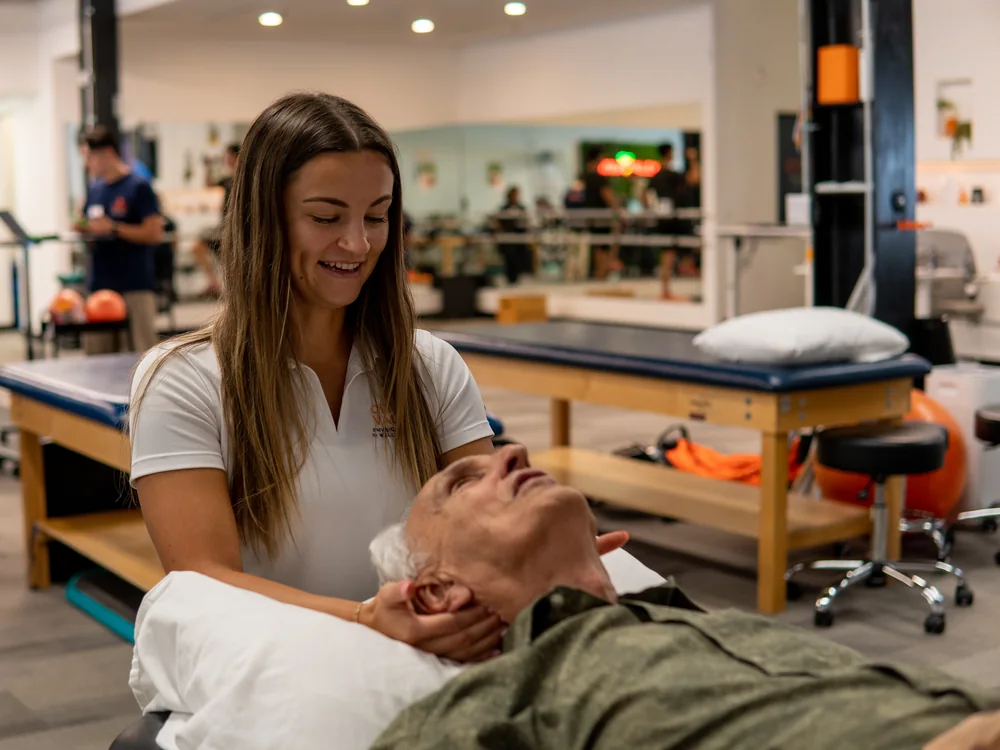
Manual Therapy
The wider hands-on toolkit, and how your therapist decides which technique your tissue needs.
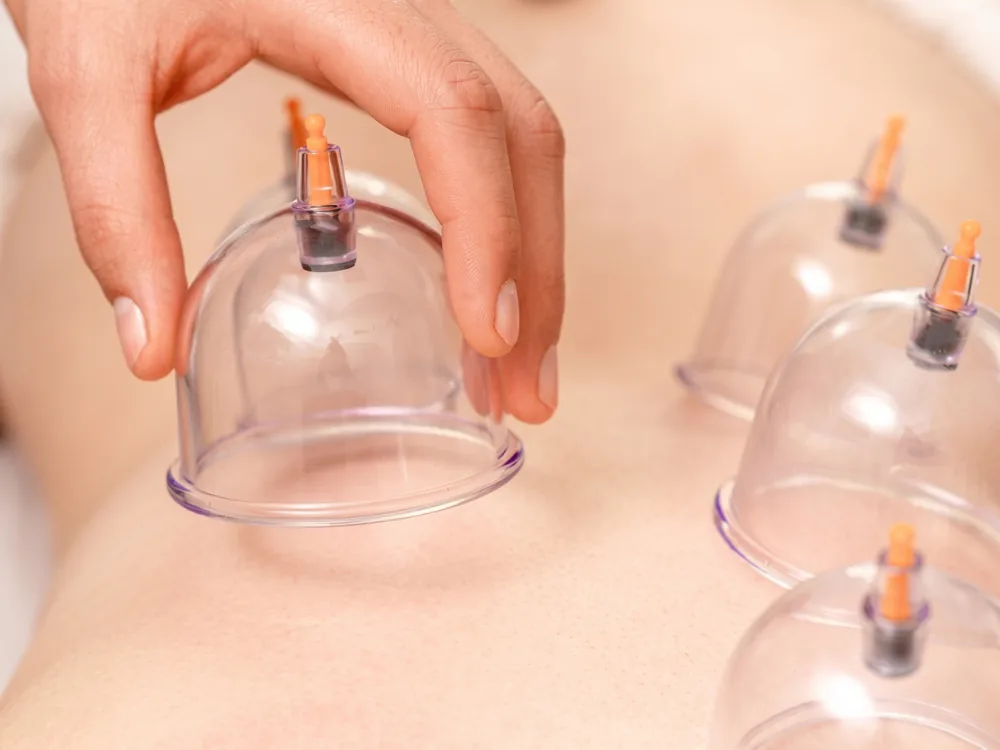
Cupping
Decompression instead of compression. Another way to change how stiff tissue slides.
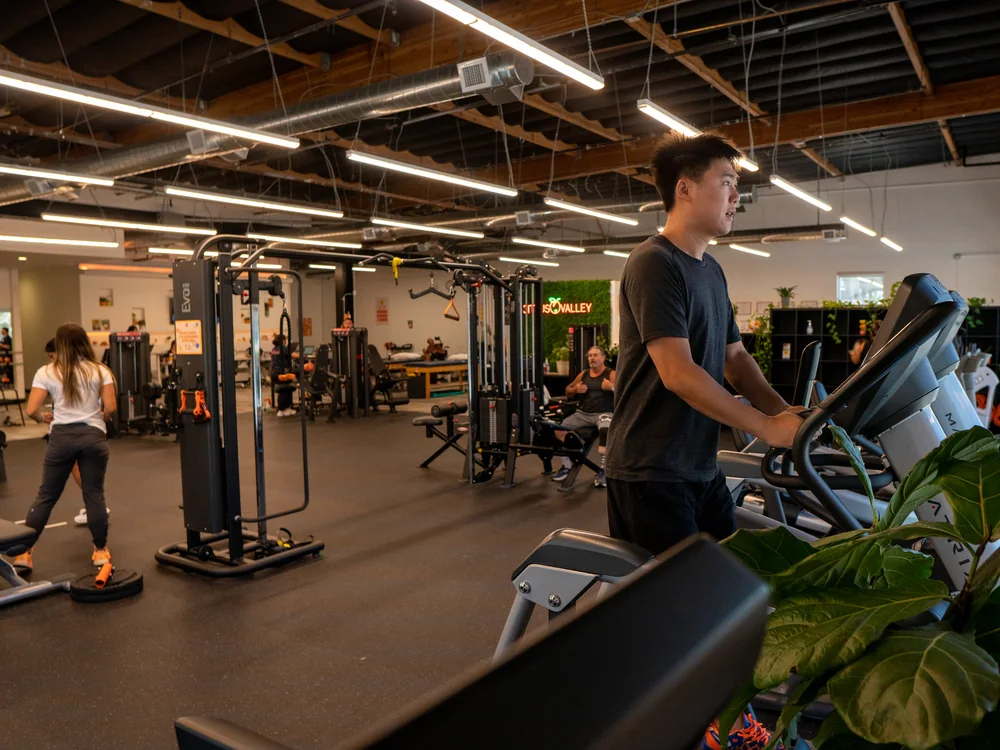
Myofascial Pain
When the fascia is the restriction and the pain shows up somewhere other than the tight spot.
Ready when you are.
All fields are required.