Cupping Therapy in Redlands
Most soft tissue work presses down. Cupping lifts. When pressing on the same spot has stopped helping, that difference is the point.
What is cupping therapy in Redlands?
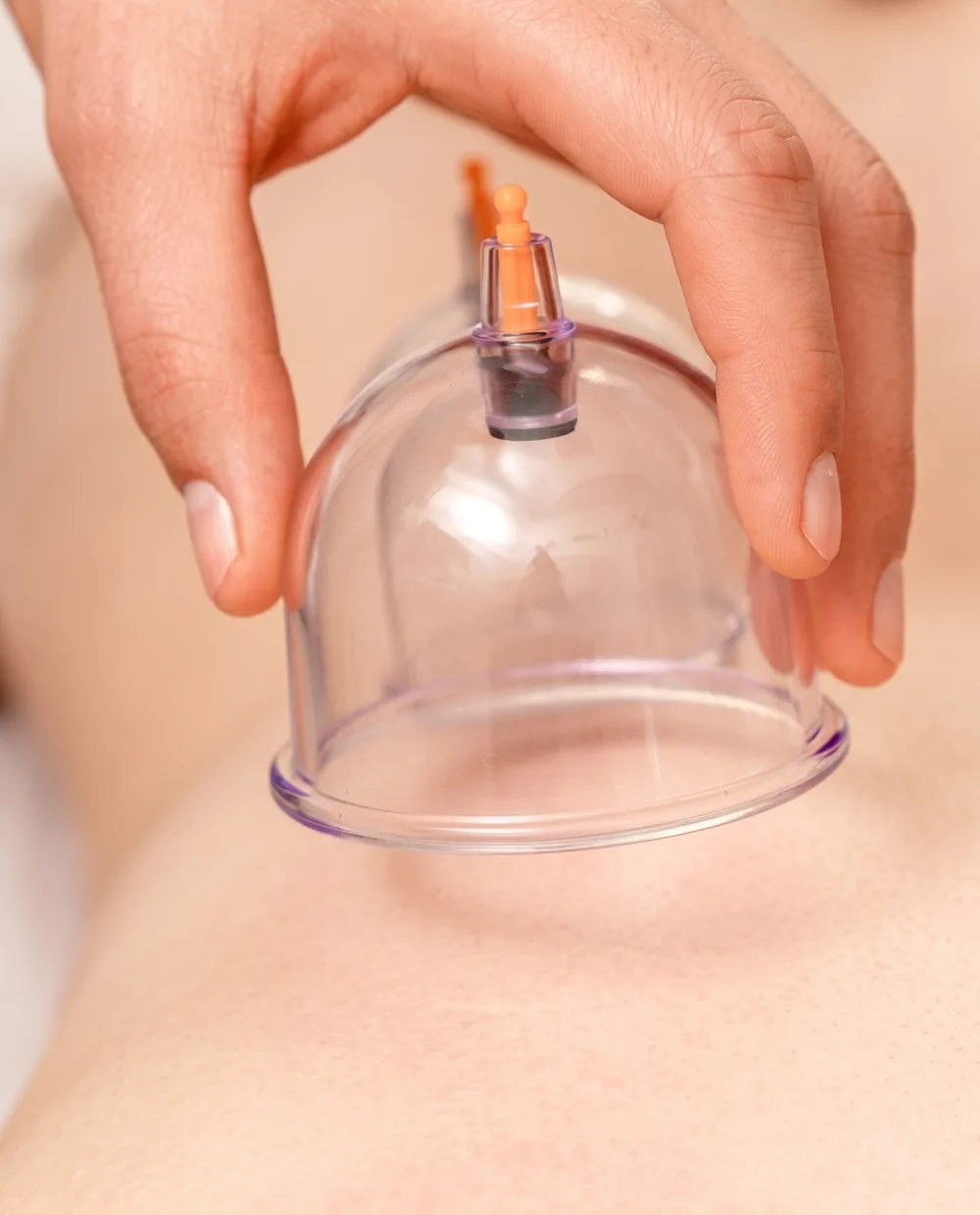
You have had the same knot between your shoulder blade and your spine for months. Someone has pressed on it, you have rolled it out on a ball against a door frame, and it goes quiet for an afternoon and is back by the morning. When pressure keeps not working, it is worth asking whether pressure is the right direction. Cupping does the opposite. A cup is placed on the skin and air is drawn out of it, and the suction lifts the skin and the tissue underneath instead of compressing it. That lift decompresses the layers, pulls fresh blood into an area that has been quiet, and gives sliding surfaces that have become stuck to each other room to move independently again. Most people describe the feeling as a heavy, warm pull rather than anything sharp, and it eases over the first minute. The tissue usually feels looser the moment the cups come off. Your therapist can leave cups sitting over one stubborn spot or glide them slowly across a broader area, depending on what the assessment found.
Cupping is used here as one tool inside a plan, never as the plan itself. What it buys you is a window: tissue that has loosened moves better, and the exercise that follows in the same session is what makes the change hold past the afternoon. It sits alongside manual therapy and IASTM, and it is often paired with treatment for myofascial pain. Visits here run 30 to 60 minutes, so cupping is a segment of your session rather than all of it. In California you can start physical therapy without a physician referral for up to 45 days or 12 visits, whichever comes first. Some insurance plans still require one, so call or text and we will check your plan and your benefits before your first visit.
Who it's for.
Cupping is not right for every problem and it is not right for everyone. These are the situations where it earns its place in a plan of care.
One stubborn spot that pressure has not touched
The knot in the upper back, the band down the side of the thigh, the spot that has outlasted every thumb and lacrosse ball you have thrown at it. Lifting the tissue reaches layers that pressing on it compresses instead. The outcome we look for is whether the movement that spot was blocking measurably improves in the same visit.
Stiffness that is limiting a movement you need
You cannot reach overhead cleanly, rotate to check a blind spot, or get low enough to lift without your back taking over. Cupping is used to open up the range first so the corrective work that follows is actually available to you. The point is not the loosening on its own, it is what you can practice once the restriction lets go.
Heavy, worked-over muscles between hard efforts
You train, or your job is physical, and by midweek everything feels thick and slow. Cupping draws blood flow into the area and takes the heavy feeling down enough that the next session is worth doing. It works best as a regular part of a plan rather than a rescue when you have already dug the hole.
What to expect in a session.
Cupping is a segment of a longer visit, not the whole appointment. Here is what it looks like from the table.
The assessment that decides whether to cup at all
Your therapist tests the movement that has been limited, finds the tissue that is restricting it, and checks your skin and your history for anything that would rule the technique out. If the finding does not support cupping, you get something that fits better instead. You will be told where the cups are going and what they are meant to change before anything touches your skin.
Cups on, roughly 10 to 15 minutes
Lotion goes on the skin and the cups are applied, drawing the tissue up into them. Expect a firm pull that eases within the first minute. The cups may sit still over one area or be moved in slow strokes across a broader one. Suction is adjustable and your therapist checks in as it goes, so say something if it is more than a strong pull. It should never be sharp.
Marks, then straight into movement
When the cups come off you will see round marks where they sat. They are not bruises and they are not a sign that something went wrong: they come from blood drawn toward the surface by the suction, and they fade on their own over several days. What matters more is what comes next. The loosened tissue gets loaded with the exercise part of your plan in the same visit, because that is what makes the change last.
Tell your therapist before treatment if you take blood thinners, bruise easily, or have thin or sensitive skin. Cupping is not used over broken skin, open wounds, or an active skin condition. Pregnancy changes where cups can be placed, so mention it at your appointment. The circular marks it leaves are a normal, expected result of the suction rather than bruising from injury.
I walk in for treatment, everyone I see has a smile. The treatment is very organized, it's obvious that they care about my recovery. I'm happy Kaiser sent me here for therapy.
Where to go next.
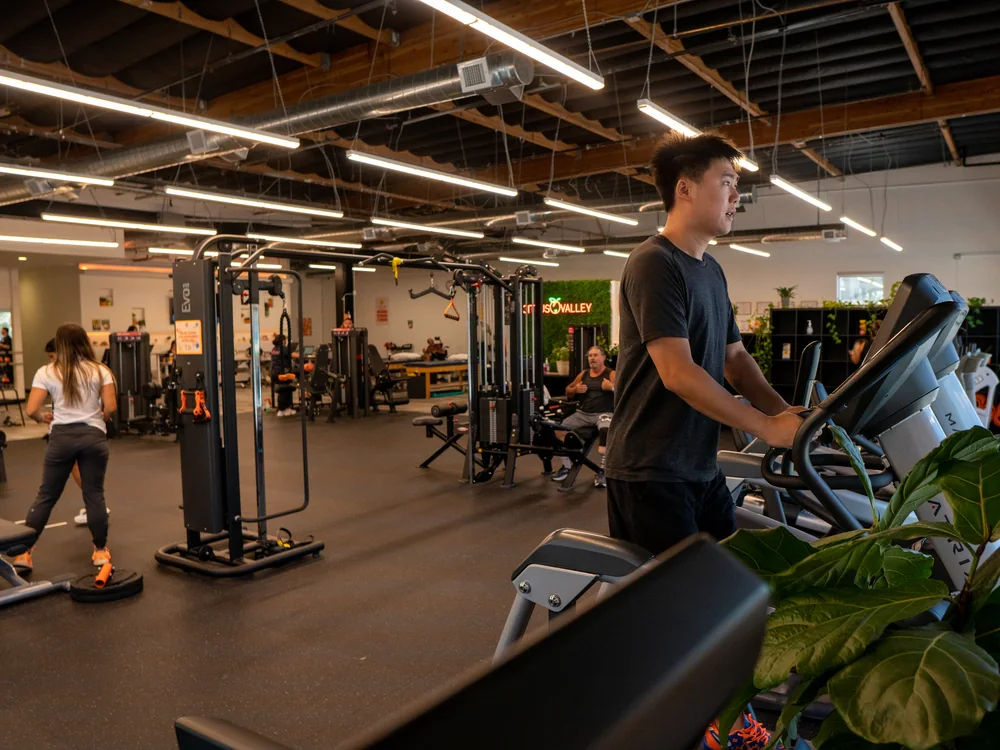
Myofascial Pain
The trigger points and stuck fascia that cupping is most often used on, and how the rest of that plan looks.
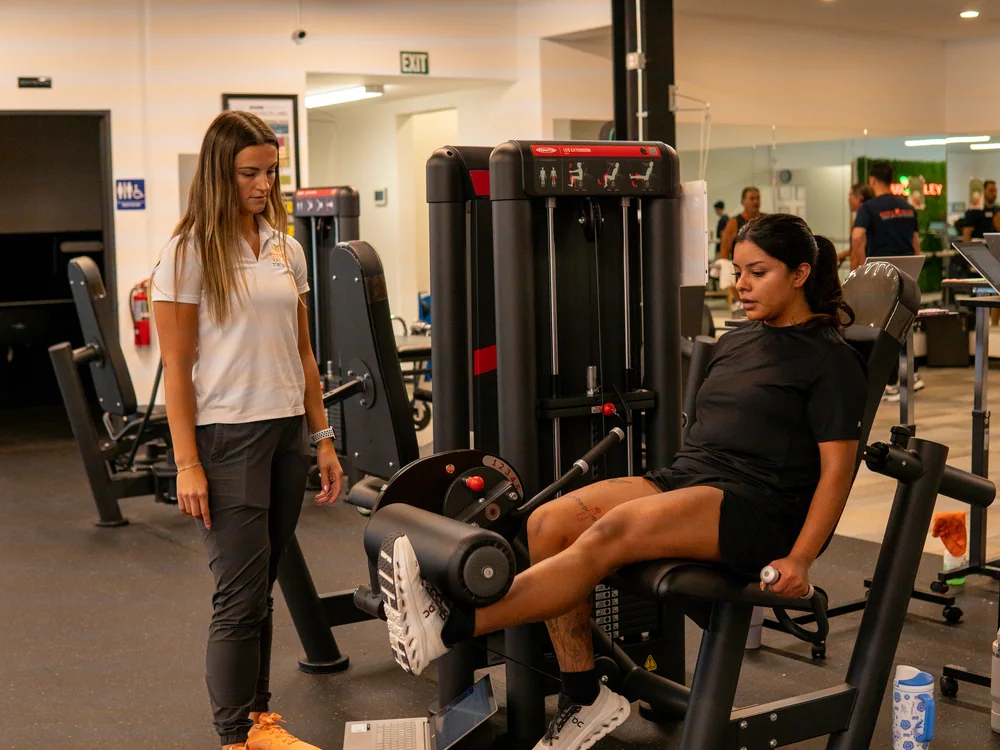
Manual Therapy
Hands on joint and soft tissue work. Cupping is usually one part of a manual therapy session, not a standalone visit.
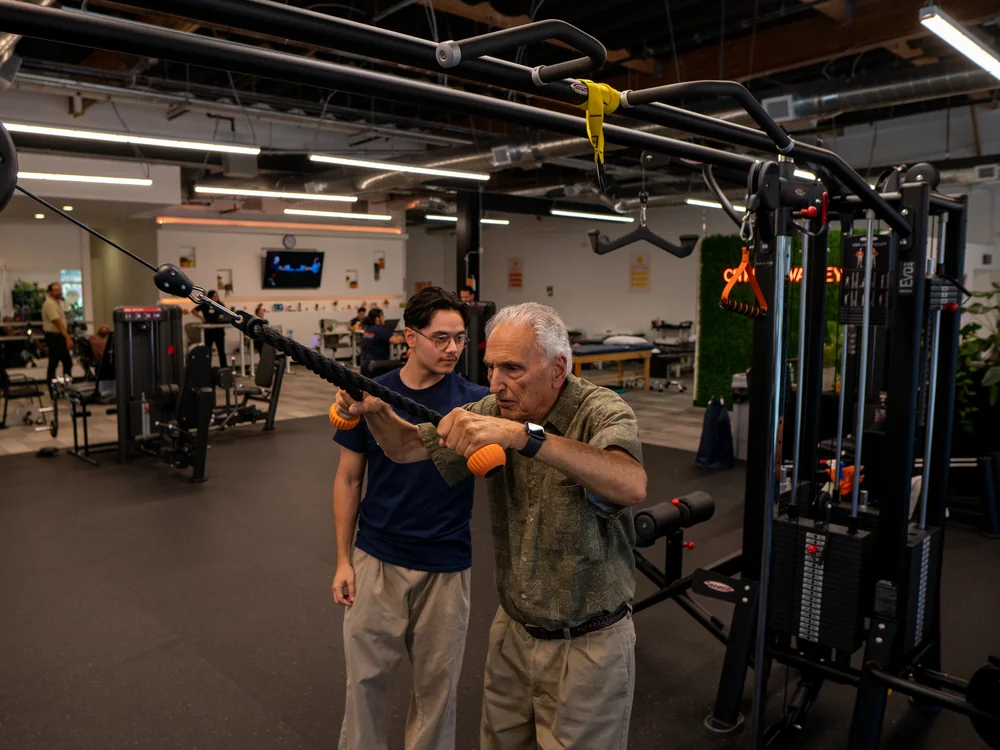
Shoulder Pain
The most common region people ask us to cup, and what else has to happen for the relief to hold.
Ready when you are.
All fields are required.