Manual Therapy in Redlands
Some restrictions do not answer a stretch. They answer a trained pair of hands finding the exact tissue that stopped moving.
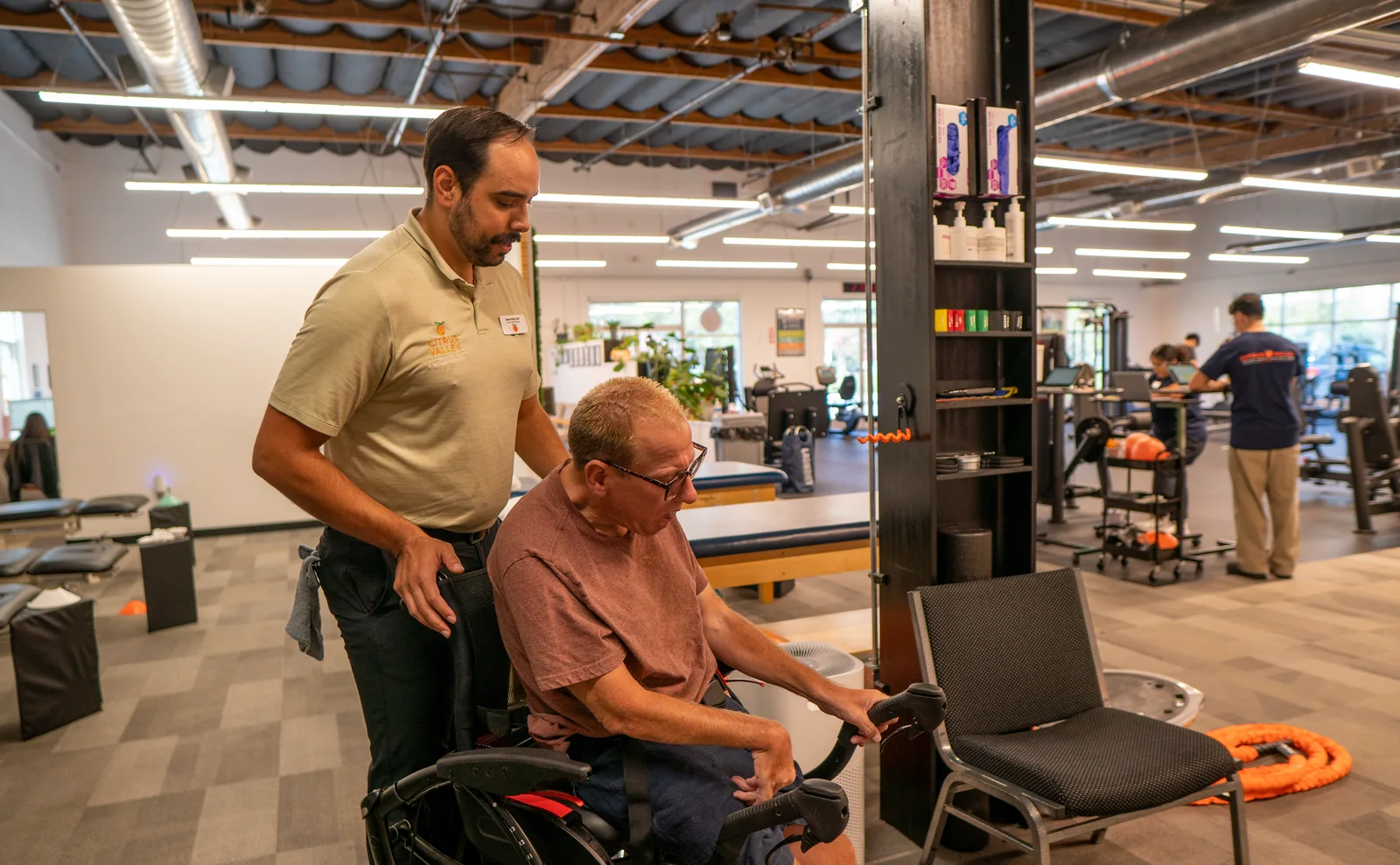
What is Manual Therapy?
You have been told to stretch it. You have stretched it, morning and night, for weeks, and the joint still stops in the same place it stopped a month ago. That is not a willpower problem. A stretch asks a whole region to lengthen, and it cannot tell one stiff joint capsule apart from the muscle lying over it, or reach a restriction that sits between tissue layers rather than along a muscle's length. Manual therapy is the skilled hands-on part of physical therapy and it exists for exactly that problem. Your physical therapist uses graded pressure and specific, directed movement to restore motion at a joint or between soft tissue layers. Joint mobilization takes a stiff capsule to its available end range and gently past it. Soft tissue mobilization changes how muscle and fascia glide against each other. Muscle energy techniques use your own contraction against the therapist's resistance to unlock a segment. Nerve glides restore the ability of a nerve to slide through the tissue around it, which matters when the symptom is a line of pain down a limb rather than a sore spot.
Two things happen when hands-on work does its job. Mechanically, tissue that had been stuck to its neighbours starts moving again, so the joint has more room to travel. Neurologically, the pressure and movement input changes what your nervous system reads as safe, and the protective guarding that had been holding the area rigid lets go for a while. That second effect is real and it is temporary, which is the entire reason manual therapy is not a treatment on its own. Hands-on work opens a window of better movement. Exercise is what convinces your body to keep it, so every visit here pairs the two and your therapist re-tests your measurements at the end, so you can see whether the range you gained is holding between sessions or resetting. Manual therapy is the umbrella term. Underneath it sit the specific tools your therapist chooses between: IASTM when a dense patch of scarred tissue needs instrument level precision, cupping when decompression works better than pressure, and hands-on work for myofascial pain when the fascia itself is the restriction.
Who It's For
Manual therapy is for restriction, not for general soreness. If a joint has a hard stop in it, or a region has stopped gliding, hands can reach it in a way a home program cannot.
A joint with a hard end range
The shoulder that stops at eye level. The ankle that will not let your knee pass your toes. The neck that turns three quarters of the way and no further. Joint mobilization works the capsule at the exact angle it is restricted, which a general stretch cannot isolate. The outcome measured is degrees of motion, tested at the start and the end of every visit.
Stiffness after surgery or immobilization
Weeks in a sling, a boot, or a brace leave the joint tight and the tissue around it adhered. Graded hands-on work restores motion at a pace healing tissue tolerates and within your surgeon's protocol. The outcome measured is how much of your normal range comes back and how soon you can safely load it again.
Pain that keeps returning to one spot
The mid back that locks up every few weeks. The hip that flares after every long drive. Often the painful area is compensating for a neighbouring joint that quietly stopped moving. Manual therapy restores the neighbour and strengthening keeps load off the spot that has been absorbing it. The outcome measured is how long you go between flares.
What to Expect from Manual Therapy in Redlands
The first visit runs about an hour, one on one with a doctor of physical therapy. Hands-on work is one part of it, chosen after the assessment rather than before.
Assessment first
Your therapist takes your history, then tests the region: active range, passive range, strength, and how the joint feels at its end range under their hands. That last piece is the part imaging cannot give you. It tells your therapist whether the joint is blocked by capsule, by muscle guarding, or by pain, and each of those three answers points to a different technique.
Hands-on treatment
You are positioned so the target tissue is relaxed and accessible, and the therapist applies the technique the assessment pointed to. Pressure is graded and it stays a conversation: you say what you are feeling, they adjust. Joint mobilization is usually a firm, rhythmic pressure. Soft tissue work can be tender over a restricted area. Neither should be pain you grit your teeth through.
Move it, then keep it
As soon as the restriction eases, you use the new range: active movement first, then loading it. Your therapist re-tests the same measurements from step one, so the change is measured rather than guessed at. You leave with a short home program aimed at holding that range until the next visit. Most plans of care run 2 to 3 visits a week for 4 to 6 weeks.
Tell your therapist before hands-on work if you take blood thinners, have been diagnosed with osteoporosis, have had a recent fracture or joint replacement, have an active infection, broken skin, or a new unexplained lump in the area, or if you are pregnant. None of these automatically rules out manual therapy, but they change which techniques are appropriate and how much force is used. Mild soreness for a day afterwards is common as tissue adapts. Sharp pain, numbness, or symptoms that travel down a limb are not expected, so call the clinic if you notice them.
Dr. Brent Wild is the best! He listens to his patients, takes suggestions, makes a plan and makes things happen!
Where to go next.
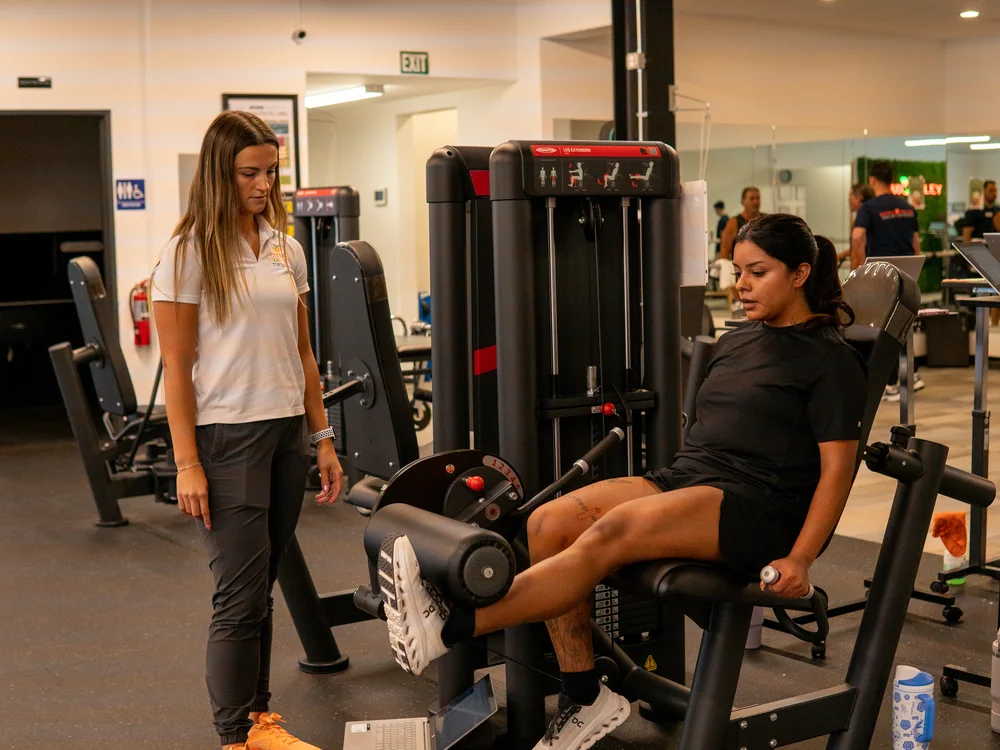
IASTM
Instrument assisted soft tissue work for dense, scarred tissue a thumb cannot reach.
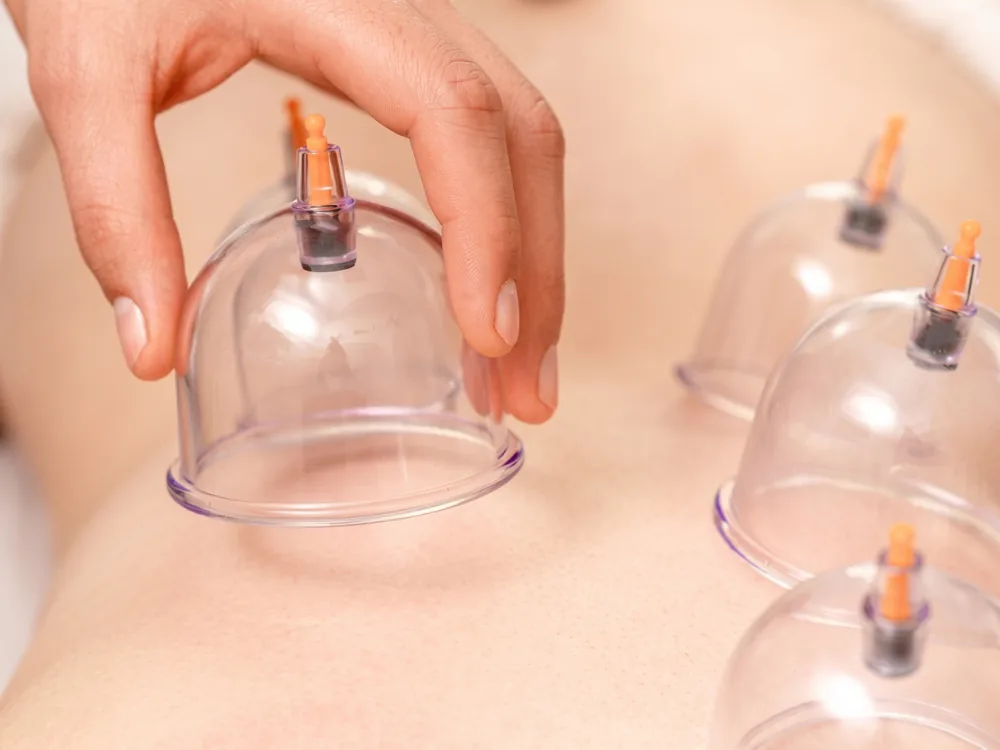
Cupping
Decompression rather than pressure, used when lifting the tissue works better than pushing on it.
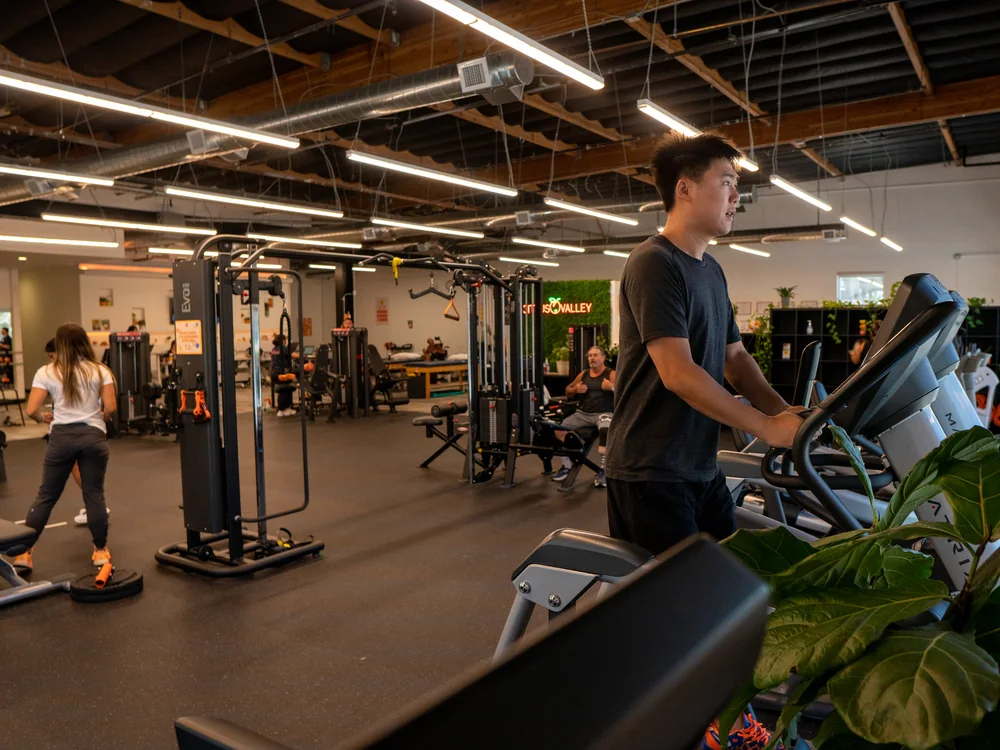
Myofascial Pain
When the fascia is the restriction and the ache turns up somewhere other than the tight spot.
Ready when you are.
All fields are required.