Myofascial Pain Treatment in Redlands
You can put a finger on the exact spot. You have been putting a finger on it for months, and pressing it lights something up two joints away. That knot is real tissue behaving badly, and it is almost never where the problem started.
What Causes Myofascial Pain?
A massage helps for two days. The foam roller helps for an afternoon. Heat helps until you stand up. You are not imagining the relief and you are not imagining that it keeps wearing off. Myofascial pain comes from taut bands inside a muscle and the connective tissue wrapped around it, and the tender spot inside that band, a trigger point, refers pain somewhere else entirely. That is why the sore patch between your shoulder blades sends an ache into your skull, and why treating only the sore patch never holds. The spot is where the load ended up. Something upstream keeps putting it there.
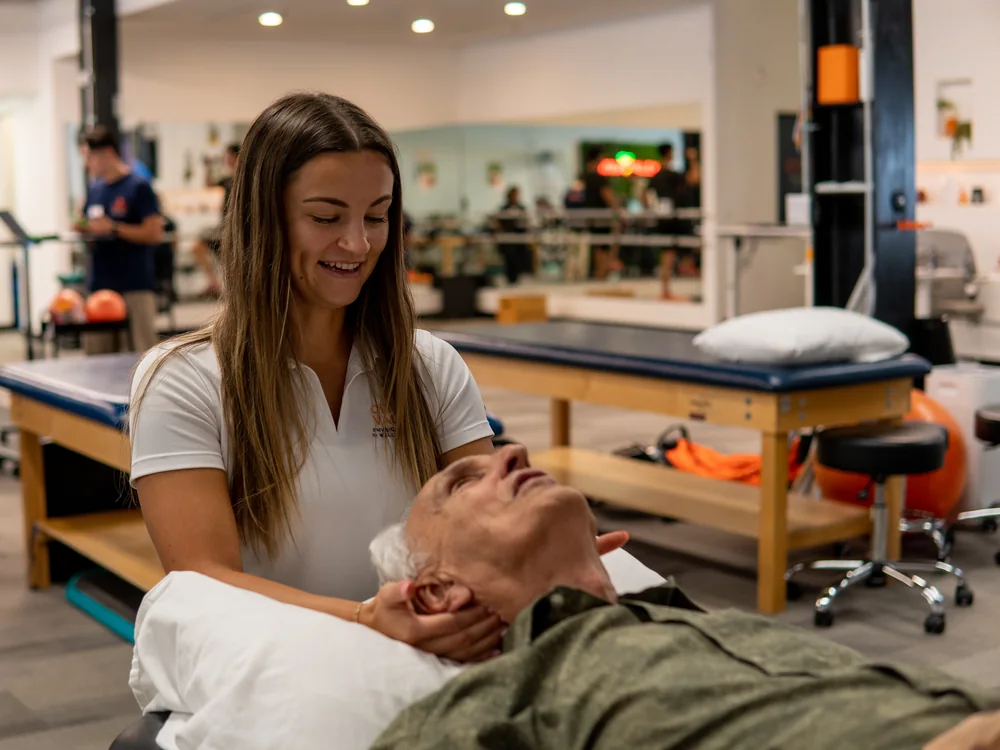
Inside an overworked muscle, a small band of fibers stops fully releasing and stays partly contracted. That band squeezes its own blood supply, so it gets less oxygen than the tissue around it and becomes exquisitely tender. Press it and you get the familiar jump, plus pain somewhere else. It is a local problem with a referral pattern, which is why the tender spot and the painful spot are so often different places.
Muscle and fascia handle big loads far better than they handle small ones held for hours. Sitting with your head forward, holding a phone against one ear, or sleeping in the same twisted position asks a few muscles to work at ten percent all day. That is enough to build a taut band, and it explains why people with no injury at all end up with sharp, genuine myofascial pain.
Fascia is a continuous sheet, so it does not stay quiet when one part of it is damaged. After a strain, an operation or a long stretch in a sling, the tissue lays down less organized collagen and loses its glide against the layers next to it. Movement then feels tight and grabby in an area you never injured, because the restriction is being transmitted along the sheet.
When one area hurts, the nervous system recruits everything around it to protect the area. That guarding is useful for about a week and useless after that, but it does not switch itself off. Months later the original tissue has healed while the guard muscles are still on duty, tired and full of trigger points.
Muscle adapts to repeated demand when there is enough recovery between bouts. Take the recovery away, which is what a production line, a full week on a keyboard or a training block with no easy days does, and adaptation turns into accumulation. Tissue quality drops, the same movement costs more, and the ache is worse at the end of the week than the start.
If your diaphragm is not doing its share, the small muscles at the front and side of your neck take over part of every breath. They end up working on every breath you take, all day, having never been designed as primary breathers. They become chronically short and tender, and their referral pattern reaches the jaw, the temple and behind the eye.
How Physical Therapy in Redlands Helps
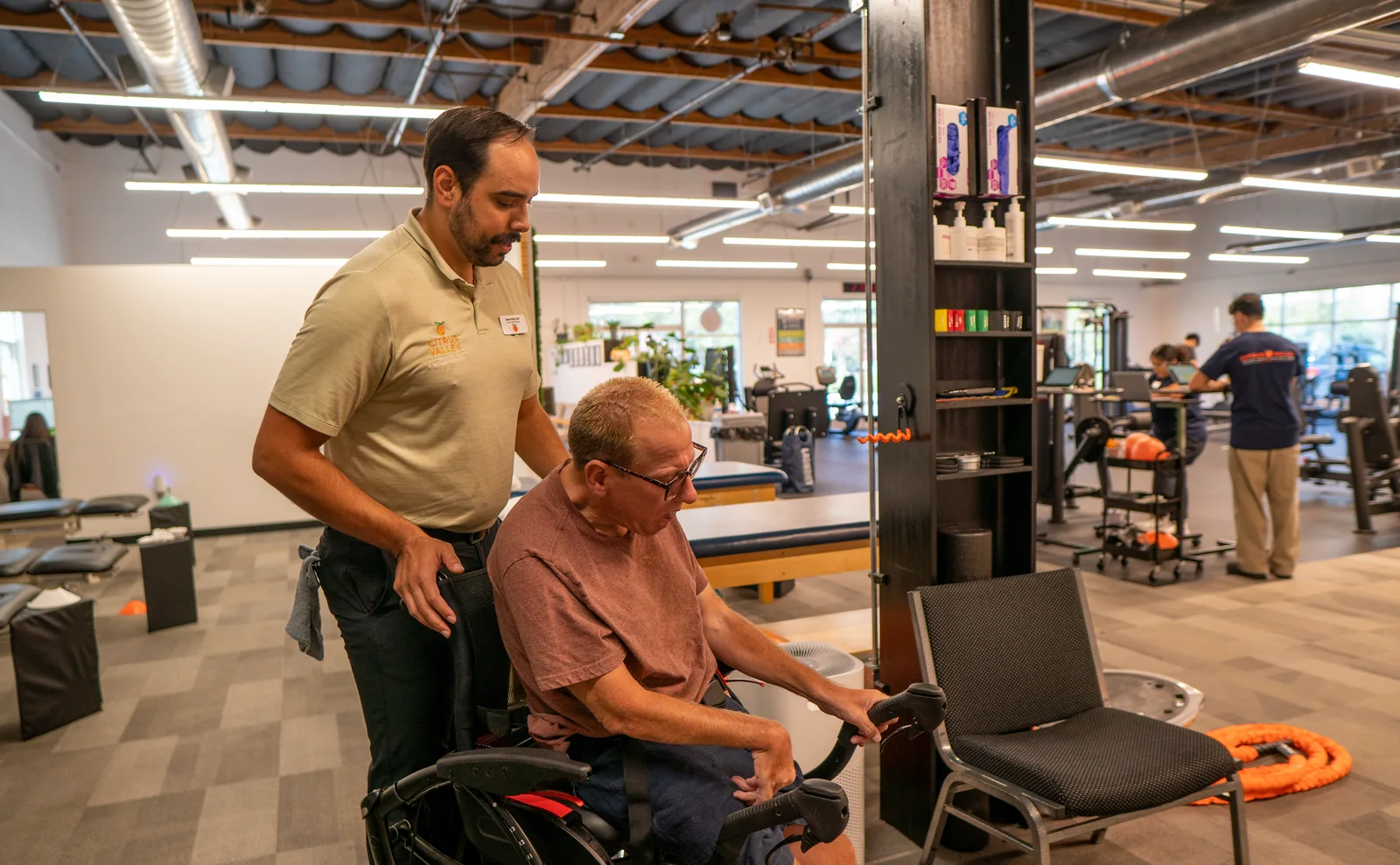
Two jobs, in this order. First, take the tension out of the tissue that is generating pain right now. That is hands on work: sustained pressure into the trigger point, soft tissue and joint mobilization through manual therapy, and instrument assisted soft tissue mobilization where the layers have lost their glide. Second, remove the reason the band formed, which usually means building strength somewhere the sore muscle has been covering for, and changing how you sit, lift, breathe or train. Release on its own feels excellent and lasts about a week. Release plus the loading is what makes it stop returning.
What to Expect When You Start
The evaluation
Your first visit runs about an hour, one on one with a doctor of physical therapy. You get asked where it hurts and then where the pain travels when it is bad, because the referral pattern is genuinely diagnostic. Then the exam: what the tissue feels like under hand, which movements reproduce your symptoms, what has lost range, and where the strength gap is that keeps loading it. In California you can start without a physician referral for up to 45 days or 12 visits, whichever comes first.
Hands on, then loaded
Every plan here moves through Pain, Prime, Perform, Prevent. Pain is the hands on work that quiets the trigger point enough for you to move properly. Prime gives back the range the taut band was stealing. Perform loads the area and the muscles around it until the tissue can handle what your day and your job actually ask of it. Prevent is a short home program that keeps you off the treatment table.
How long it takes
Sessions run 30 to 60 minutes and most plans of care are 2 to 3 visits a week for 4 to 6 weeks. Myofascial pain often responds fast at the start, which is encouraging and a little misleading: the early relief comes from the release, the durable part comes from the loading. Your therapist re-tests range, tenderness and strength each visit, and we verify your insurance benefits before you commit to a course of care.
Dr. Brent Wild is the best! He listens to his patients, takes suggestions, makes a plan and makes things happen!
Other Conditions We Treat in Redlands
Neck Pain
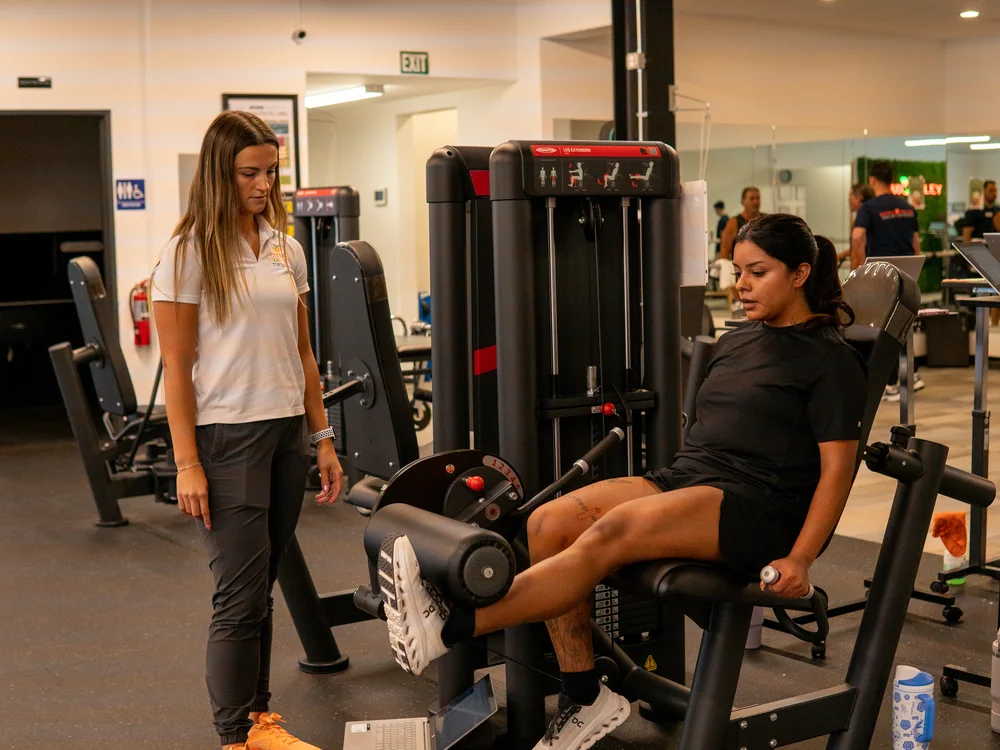
The most common home for trigger points, and the place where a strength gap lower down usually shows up first.

Headaches
Trigger points in the neck and jaw refer straight into the temple and behind the eye. Often the same problem.
Joint Pain
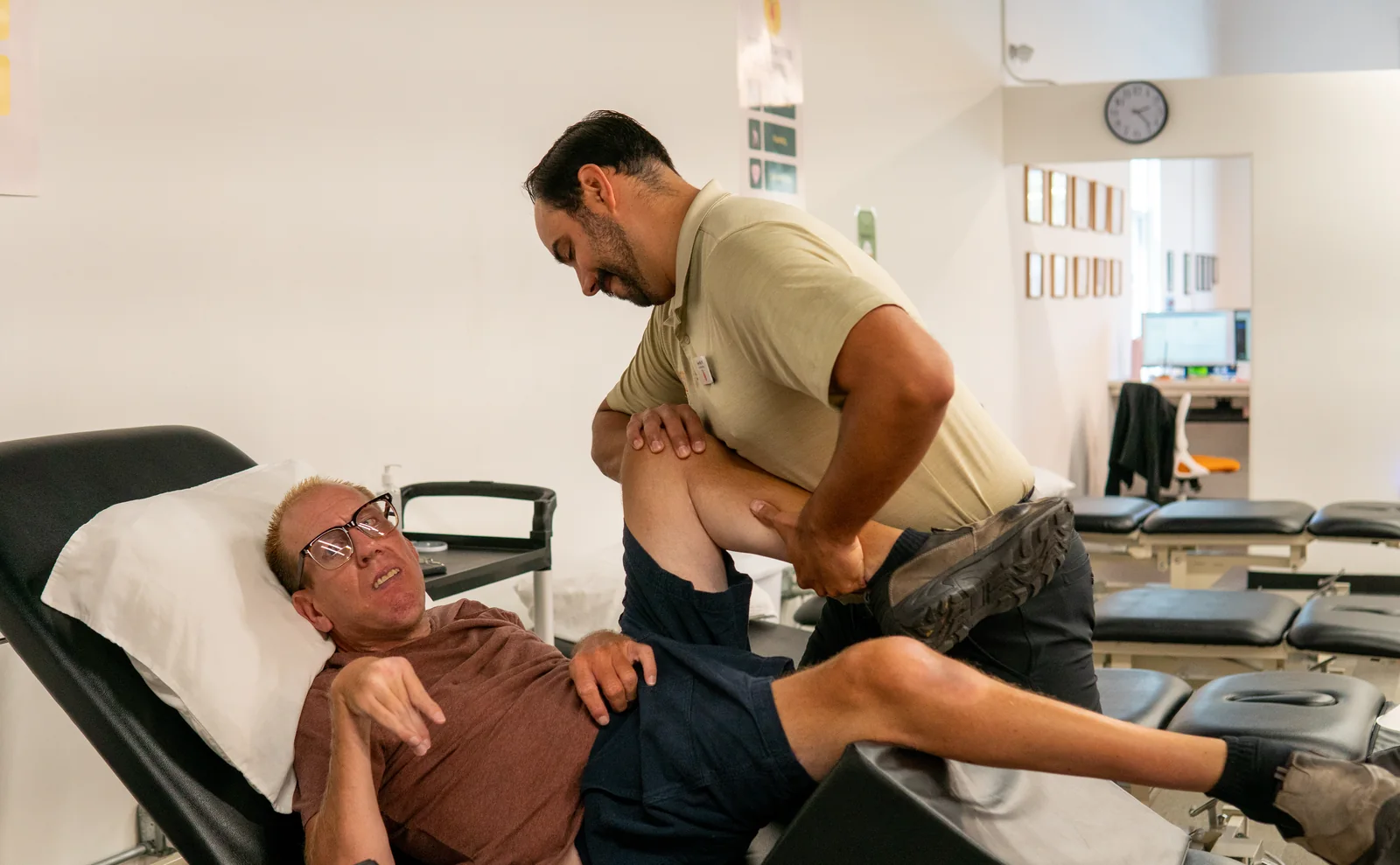
When a joint stops moving well, the muscle around it takes the load and the taut bands follow shortly after.
Ready when you are.
All fields are required.