Joint Pain Treatment in Redlands
The first ten minutes of the morning tell you what kind of day it will be. Stiff, achy joints are not simply the price of getting older, and they are not a reason to move less.
What causes joint pain?
You have been told it is arthritis, or age, or just something to live with. Meanwhile you are warming up the joint before you trust it with stairs, a jar lid, or the first hour of work. A painful joint is usually reporting a load problem, not a verdict. Either it is being asked to move more than its neighbours because they stopped contributing, or it lost the muscle that used to absorb the shock, or it has stiffened into a range too small for what you do all day. Those are all things that respond to work.
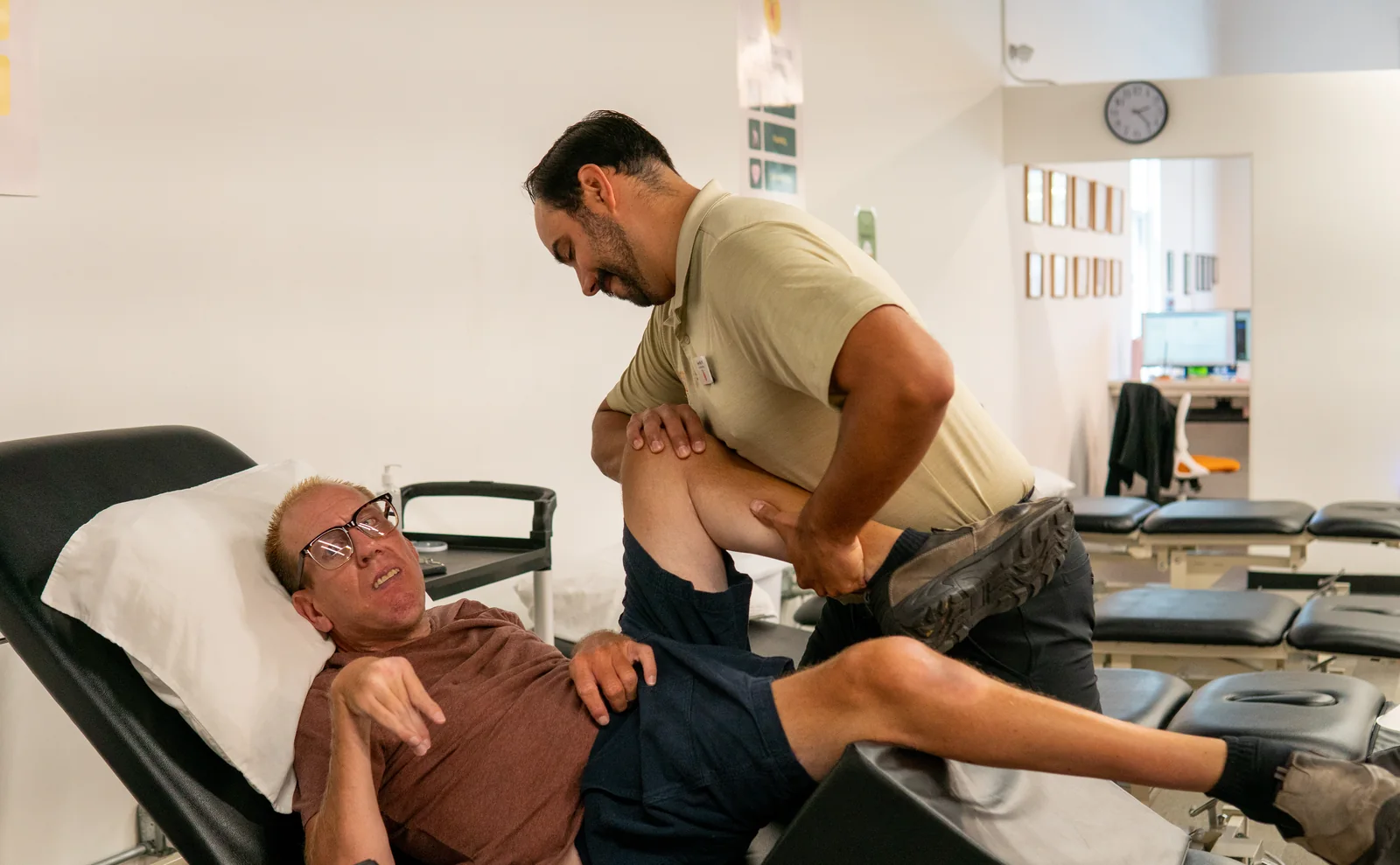
Cartilage thins with time and use, and imaging findings are extremely common in people with no symptoms at all. What separates a stiff joint from a painful one is usually the strength of the muscle around it and how often it is taken through its full range. Joints are fed by movement, so the instinct to protect them by using them less tends to make the next month harder rather than easier.
When a joint is irritated the lining produces extra fluid, and even a small amount of swelling switches off the muscle that crosses that joint. That is the real reason the leg or arm feels untrustworthy in a flare, and why strength does not simply return when the ache fades. Settling the swelling first, then reactivating the muscle, is the order that works.
The joint capsule adapts to the range you actually use. Stop reaching overhead or squatting fully for a few months and the capsule shortens to match, so the joint now hits its end range during ordinary tasks and complains. This is the stiffness people describe as needing to warm up in the morning, and it is one of the more reversible things we treat.
A lot of what gets called joint pain is really the tendon attaching next to it, irritated by a jump in load: a weekend project, a new job task, a return to the gym after time away. Tendon pain is predictable, worse at the start of activity and again the next day. It responds to graded loading rather than rest, which is why it needs a plan instead of patience.
A sprain, fracture, or tear can heal structurally while leaving the joint short on range and the surrounding muscle short on strength. You stop trusting it, you unload it without noticing, and years later that same joint is the one that aches. The original injury is long gone. What remains is a movement habit, and habits can be retrained.
Some joint pain is driven by a systemic inflammatory condition rather than mechanics, and that is managed with your physician. Physical therapy still has a real role alongside medical care: maintaining range, protecting joints during flares, and keeping strength up between them. Part of your evaluation is deciding which of these two pictures you are in, and we will tell you if you need a physician rather than us.
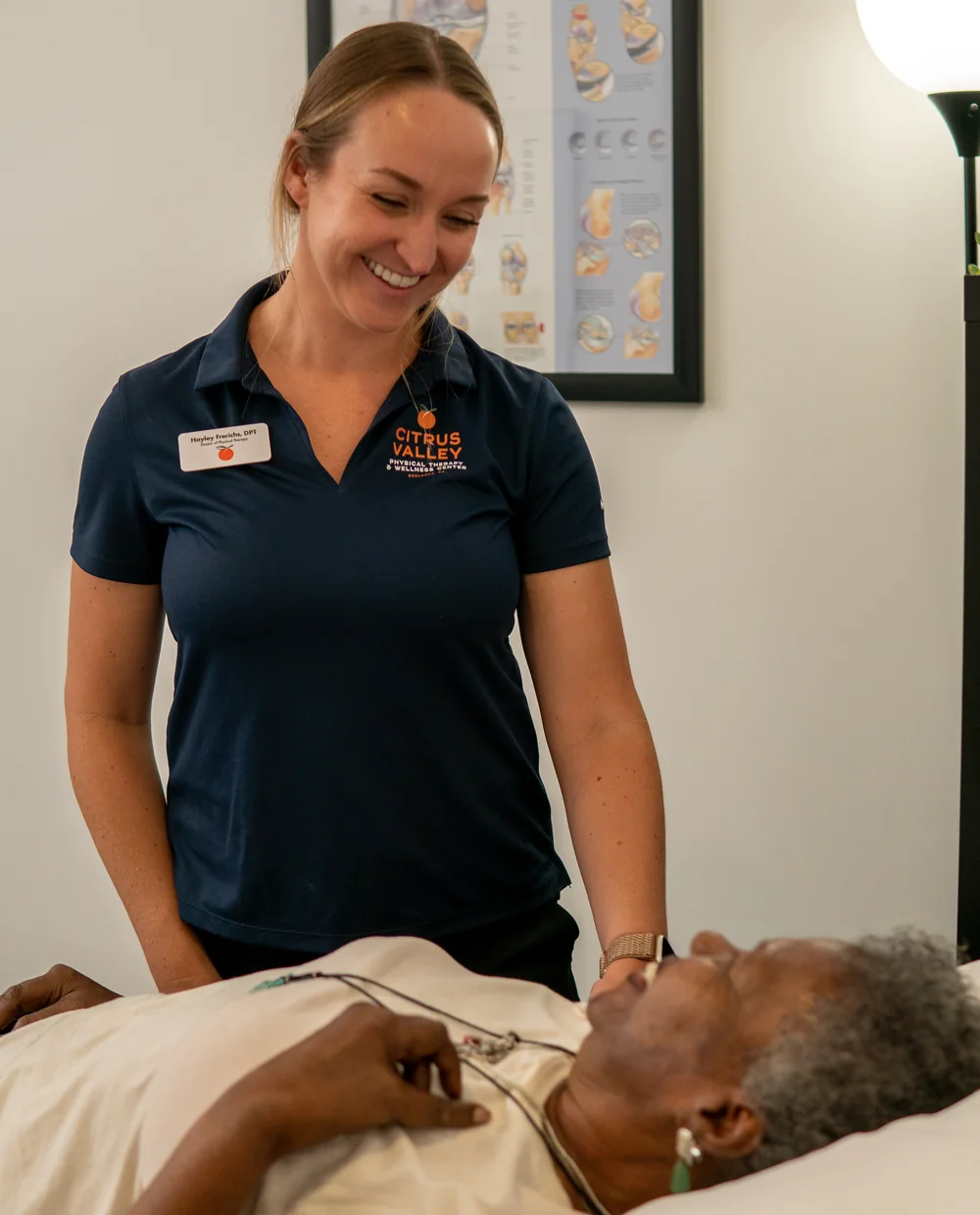
How physical therapy in Redlands helps.
Joint pain gets treated well when somebody measures it. Your first visit is about an hour, one on one with a doctor of physical therapy, and it covers range in the painful joint and the ones on either side of it, strength compared side to side, and which specific movements provoke and relieve the symptom. From there the plan runs through four phases. Pain: settle the joint enough to move and be assessed. Prime: give back the range the capsule and soft tissue have lost, using hands on work, cupping, or instrument assisted soft tissue work where it helps. Perform: rebuild the muscle that absorbs load so the joint stops taking it directly. Prevent: keep the range and strength you just bought. Sessions run 30 to 60 minutes, and your therapist re-tests your numbers at every visit so you can see the change rather than hoping for it.
What to expect from your recovery.
The evaluation
About an hour with a doctor of physical therapy. We take the history, including what the joint was doing in the weeks before it started, then measure range, strength, and the movements that reproduce your pain. We also screen for the signs that belong to a physician rather than a therapist. You leave with a working explanation and a plan, not a list of things to avoid.
Range before load
Early visits target stiffness and swelling: joint mobilization, soft tissue work, and movement dosed at a level the joint tolerates that day. You get a home routine short enough to actually do, and we adjust the daily habits that keep re-irritating it. Most patients notice a change in the first week or two, and we re-measure so that impression gets checked.
Strength that protects the joint
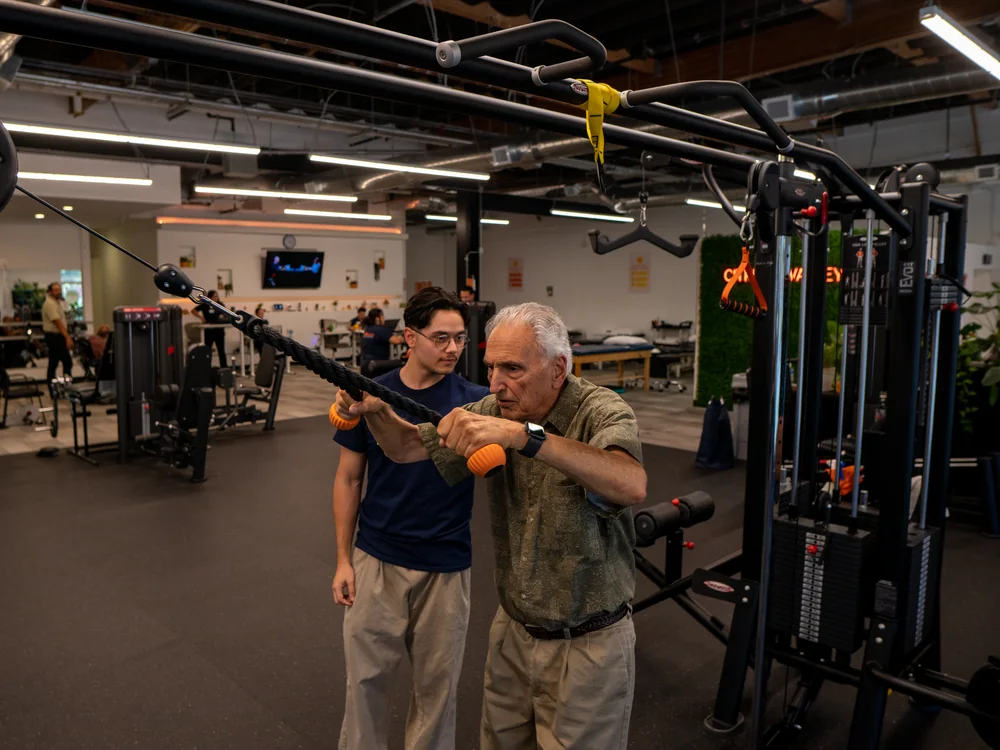
Once range improves, we load. Muscle around a joint is shock absorption, and rebuilding it is what changes how the joint feels on stairs, at the sink, or at the end of a shift. Most plans of care run 2 to 3 visits a week for 4 to 6 weeks, and we finish by handing you the specific work that keeps the progress, so the last visit is a handoff rather than a cliff.
Very happy so far with my experience there and Dr. Nick is awesome!!! He is thorough and asks all the right questions and listens and hears what you have to say- very important for effective PT.
Pain rarely travels alone.
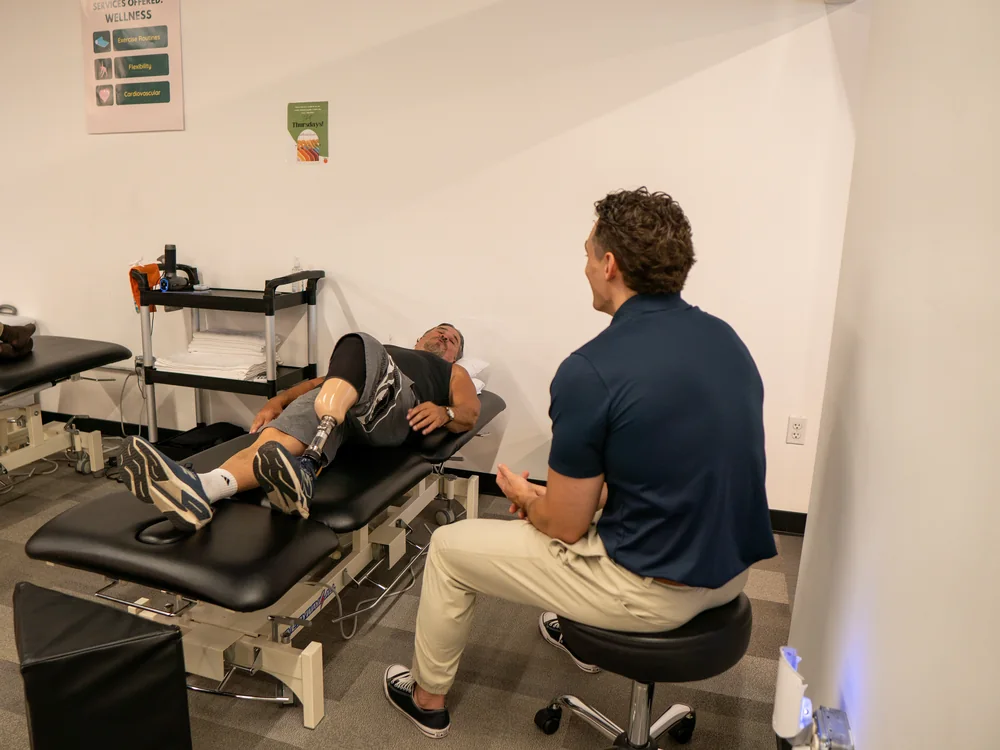
Arthritis
If more than one joint is involved, the plan changes. Arthritis care is about protecting range and strength between flares.
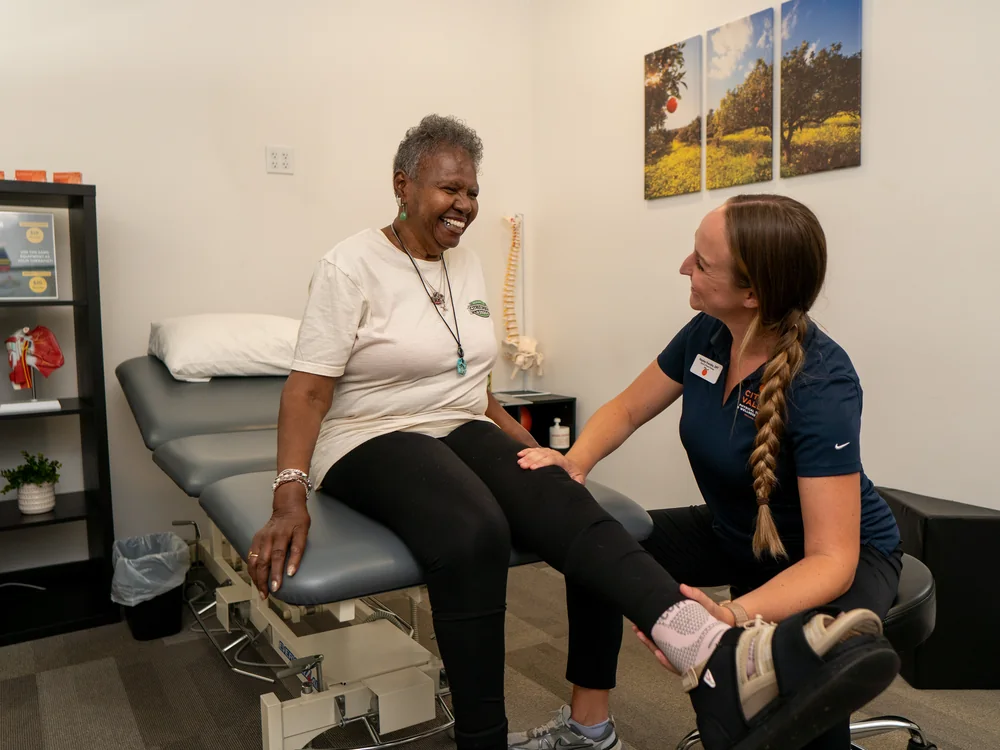
Hip & Knee Pain
Large weight-bearing joints are common sources of pain. We treat both the joint and what is around it.
Shoulder Pain
The shoulder is four joints working as one. When one stops contributing, another takes the load and complains about it.
Ready when you are.
All fields are required.