Fall Prevention in Redlands
Balance is a skill, and skills can be retrained. We screen what is actually failing, score it, then rebuild it step by step.
What is fall prevention?
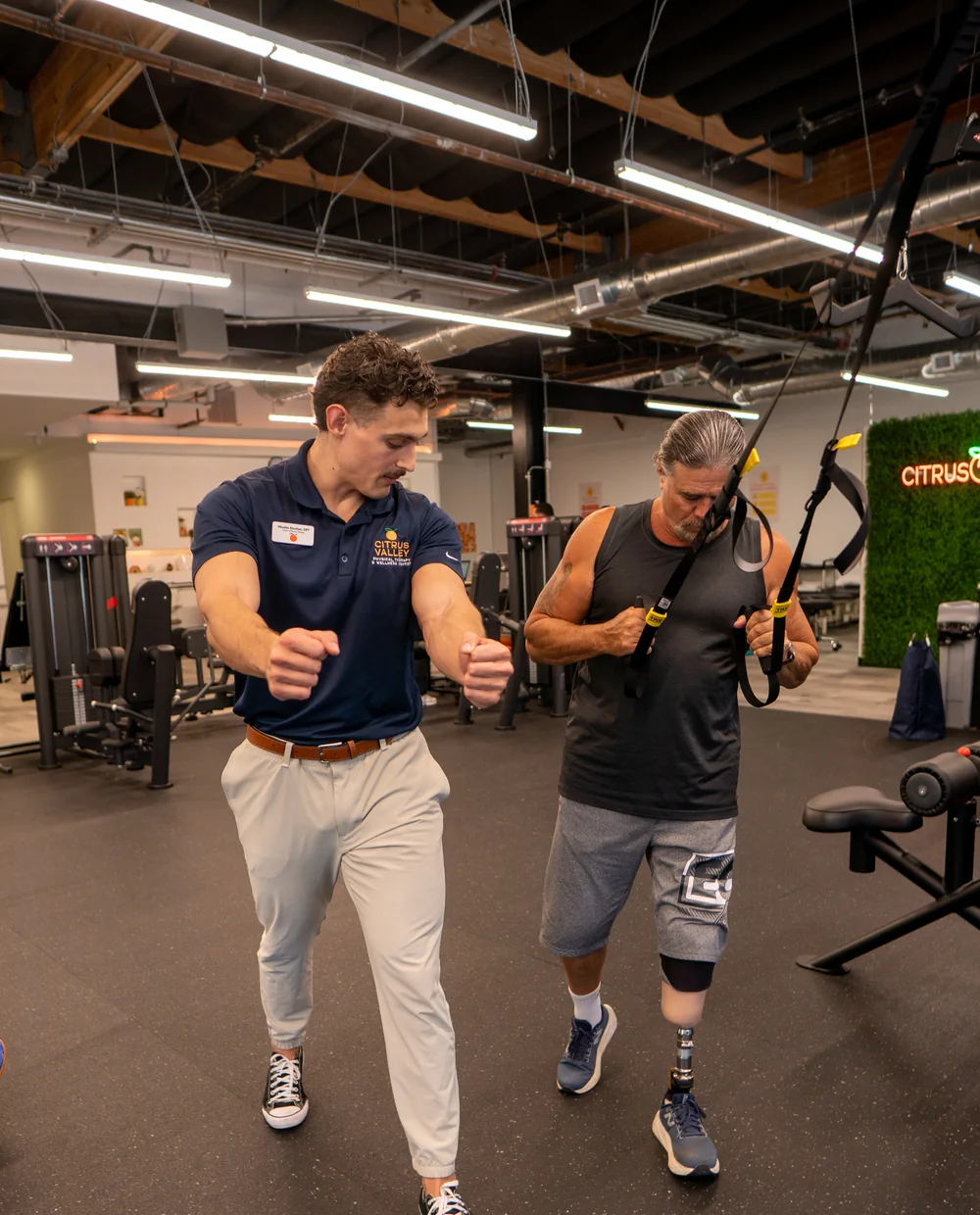
The near miss is the part people remember. The edge of a rug, a curb in a dark parking lot, a turn taken too quickly in the kitchen, and suddenly you are holding the counter telling yourself it was nothing. What usually follows is not a fall. It is a slow narrowing: the evening walk stops, the stairs get avoided, both hands go on the rail. Balance is not one sense that fades. It is three systems working together, the inner ear, the eyes, and the sensation coming up from your feet and joints, plus the leg strength to act fast on what they report. When one of the three slips, the other two cover for it, and everything feels normal until something unexpected arrives. Fall prevention here is a program rather than a single appointment: a structured screening that identifies which part has slipped, followed by training aimed squarely at that part. For the patient side of this, including the warning signs and what raises your risk, see our fall prevention services page.
The screening happens at your first visit, about an hour, one on one with a doctor of physical therapy. We time how long it takes you to rise from a chair without using your hands, time you walking a measured distance, hold single leg stance on each side, and run standardized balance tests such as the Timed Up and Go and the Berg Balance Scale so your starting point is a score and not an impression. We test hip and ankle strength, watch whether your foot still clears the floor at the end of a stride, check what happens to your steadiness when you turn your head or bring your feet together, and ask about footwear, medications and the layout of your home, since those are among the most common contributors to a fall. Everything gets re-tested through the plan of care so you can see whether your balance is genuinely changing. In California you can begin without a physician referral for up to 45 days or 12 visits, whichever comes first, and we will check your benefits before your first visit.
Who fall prevention in Redlands is for.
You do not need to have fallen to belong in this program. Most people start it because something has already made them cautious.
You have had a fall or a close call
One fall changes how you move, and the caution it creates makes the next one more likely rather than less. We work out what actually failed, whether that was leg strength, the inner ear, or the reaction step that never arrived, and we train that specific thing.
Your balance has quietly changed
You reach for the wall in a dark hallway now, or the shower feels different than it used to. Caught early, balance responds well to training. You leave with measured work to do instead of being told to be careful.
You are managing a condition that affects balance
Neuropathy, Parkinson's, recovery after a stroke, vertigo, or a knee that gives way. Training is built around what your condition actually does to your gait, alongside the care you already have in place for it.
What to expect in the program.
Balance training only works if it is challenging in the right way and safe in every other way. Sessions run 30 to 60 minutes and are progressed deliberately, one variable at a time.
Screening and scoring
The first visit measures where you stand: chair rises, walking speed over a set distance, single leg stance, standardized balance testing, and lower body strength. We also talk through the specific moments that make you uneasy, because the plan has to include those moments and not just the general idea of balance.
Retraining the system that slipped
Training progresses along the variables that matter: a narrower base of support, an unstable surface such as foam, less visual input, head turns while walking, and stepping over and around obstacles. Take the eyes out of the equation and the inner ear and the feet are forced to do the work. That is how the system gets stronger rather than better protected.
Strength, reactions, and real ground
Balance you cannot catch yourself with is not enough. We build the hip and ankle strength behind a fast corrective step, add reaction and dual task work such as walking while talking or carrying something, then move onto the surfaces you actually use: stairs, curbs, gravel, and turning in a tight kitchen.
Balance work is done with a therapist within arm's reach and a rail or gait belt available, which is exactly why it is worth doing here before you try it at home. Tell us if you get lightheaded when you stand up, if a fall involved hitting your head, or if your medications changed recently. Each of those changes how quickly we progress you, and some need your physician's input first.
All the staff at Citrus Valley PT are kind and encouraging. My therapy for my knee was helpful. I have joined their wellness program to strengthen my aging body and feel comfortable being there.
Where to go next.
Fall Prevention Services
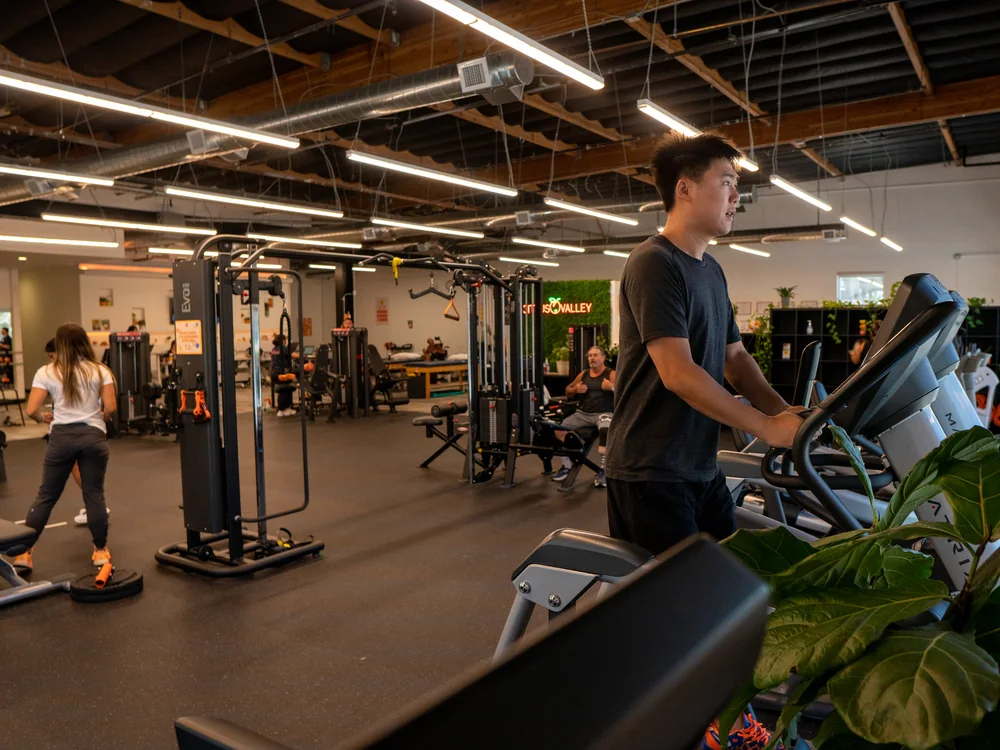
The patient side of this: what raises your risk, the early warning signs, and when to get screened.
Vestibular Therapy
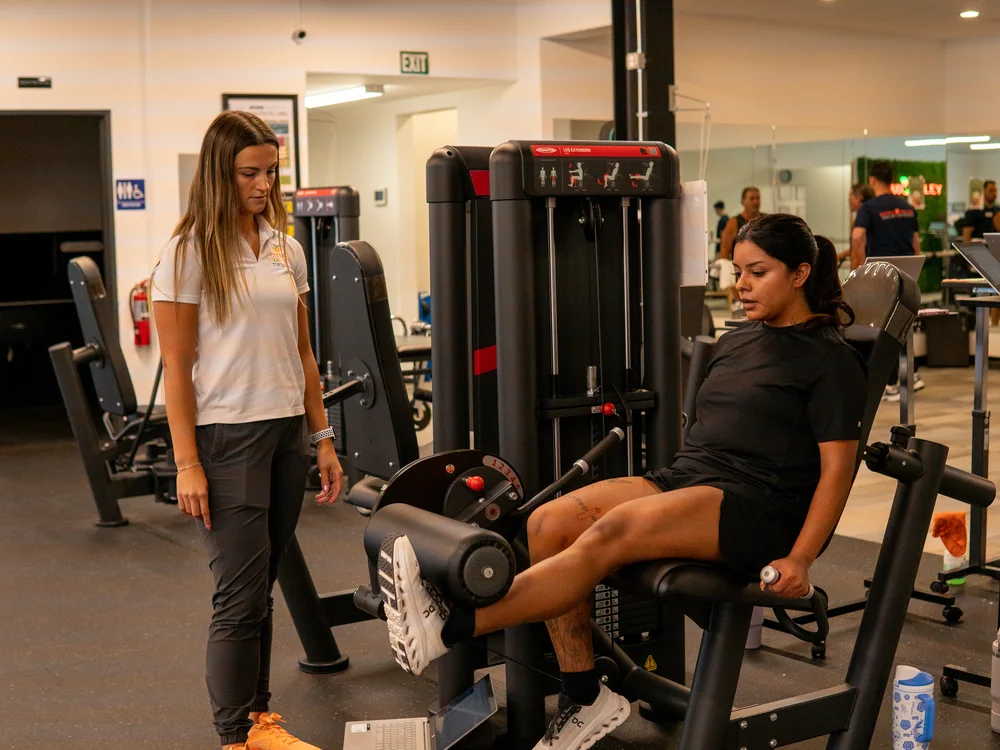
When the inner ear is the part that is failing, the room moves and balance follows. Treated on its own track.
Balance and Gait Disorders
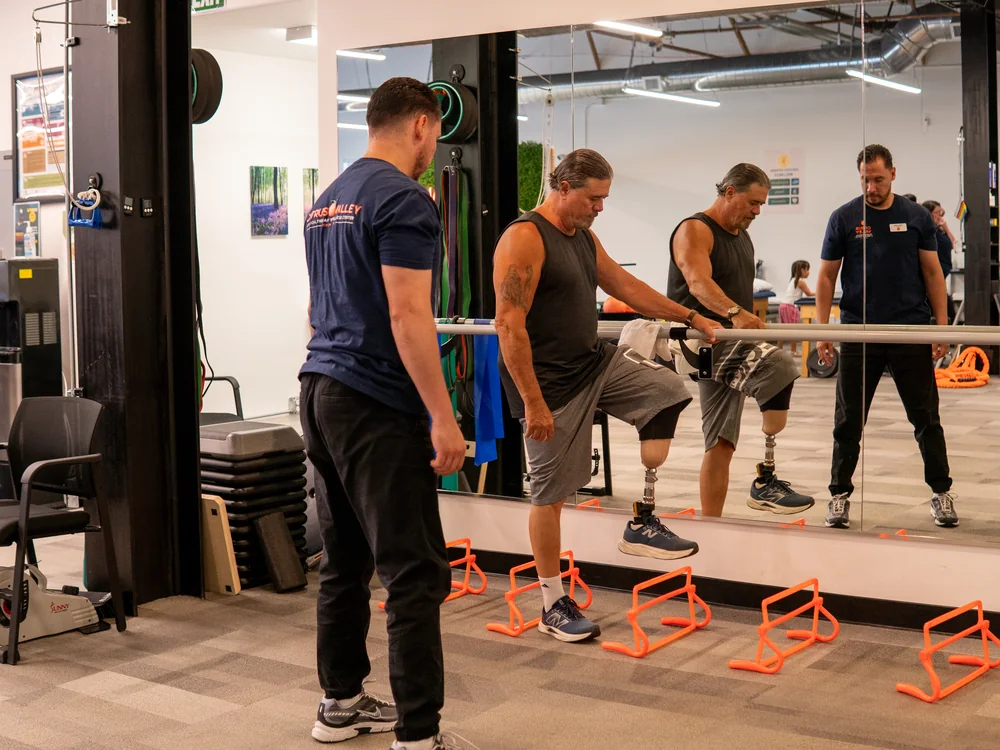
Unsteadiness, shuffling, and a walking pattern that changed without you ever deciding it should.
Ready when you are.
All fields are required.