Stroke Recovery Treatment in Redlands
The hospital part is over. You are home, the arm still will not do what you tell it, and the stairs have turned into a negotiation. Recovery does not stop when the discharge paperwork is signed. The nervous system keeps reorganizing, and it reorganizes around what you practice.
What causes the movement problems after a stroke?
Family keep telling you how lucky you are, and you keep thinking about the button you cannot fasten. That gap is real and worth naming. A stroke interrupts blood supply to one region of the brain, and the cells there stop sending instructions. The muscle is usually intact and so is the joint. What changed is the signal, and the timing that made movement automatic. That matters, because a signalling problem responds to the one thing the brain never stops doing: reorganizing around repeated, specific, difficult enough practice. That property is neuroplasticity, and it is the basis of everything below.
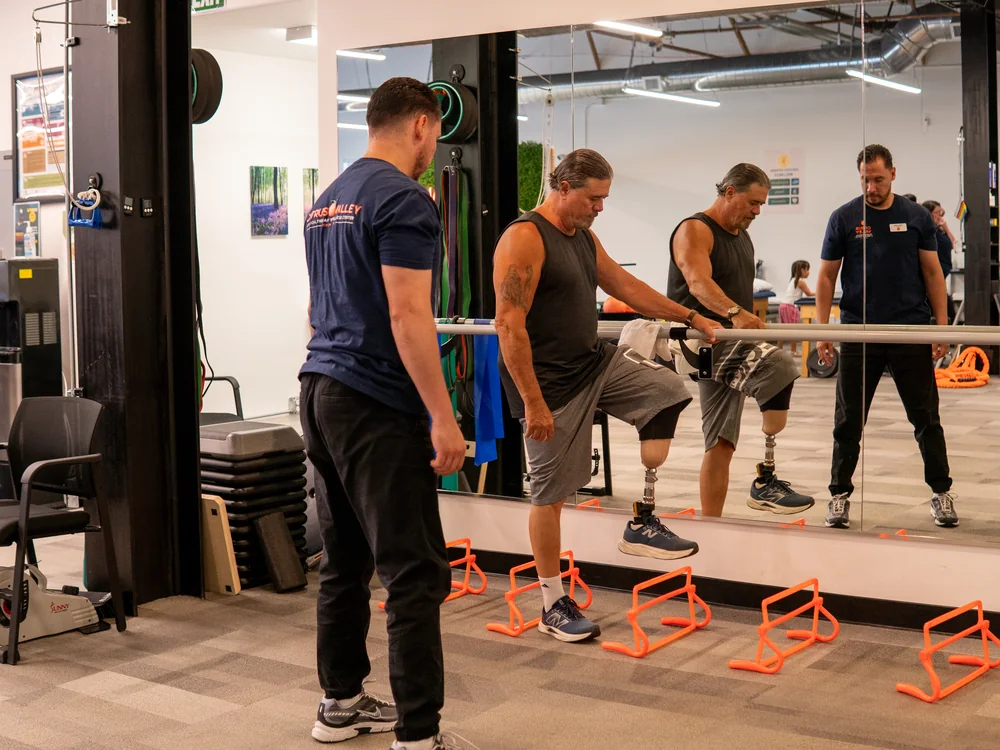
Because the motor pathways cross, a stroke on one side of the brain affects the opposite side of the body. That arm and leg are usually not paralysed so much as under recruited: the fibres are there, but fewer switch on, and they switch on late. Hard, specific strength work on that side is one of the main ways the brain is pushed to recruit more of what remains.
Without the brain's normal braking signal, some muscles sit in constant partial contraction, which is why the elbow draws in, the fingers curl and the ankle points down. Left alone, tone shortens the tissue over months and turns a signalling problem into a mechanical one. Hands on work, positioning and active full range movement keep the joint available for the strength you are rebuilding.
Standing upright depends on hundreds of automatic corrections you never notice, driven by the brain comparing what the eyes, inner ear and joints report. A stroke disrupts that comparison, so corrections become slow, absent or one sided and weight shifts onto the stronger leg. Balance is trainable, at the edge of steadiness under supervision rather than by avoiding it.
The affected limb often feels numb, distant, or hard to locate with the eyes closed. Proprioception, the sense of where a joint is without looking, is frequently hit alongside strength, and a limb the brain cannot locate is one it will not trust with weight. Retraining leans on feedback: watching the movement, firm contact, surfaces that report position.
In the first weeks the stronger side takes over every task, because that is the fastest way through the day. The brain prunes what it does not use, so the affected side gets quieter the longer it is left out. That is why a good home program asks for real tasks with that side rather than only exercises.
Weeks of reduced activity cost general strength, endurance and cardiovascular capacity, none of it caused by the stroke directly, all of it limiting what you can practice. Add a fall, or the fear of one, and activity drops again. Breaking that loop early with graded, supervised work often separates a household walker from someone who gets back into the community.
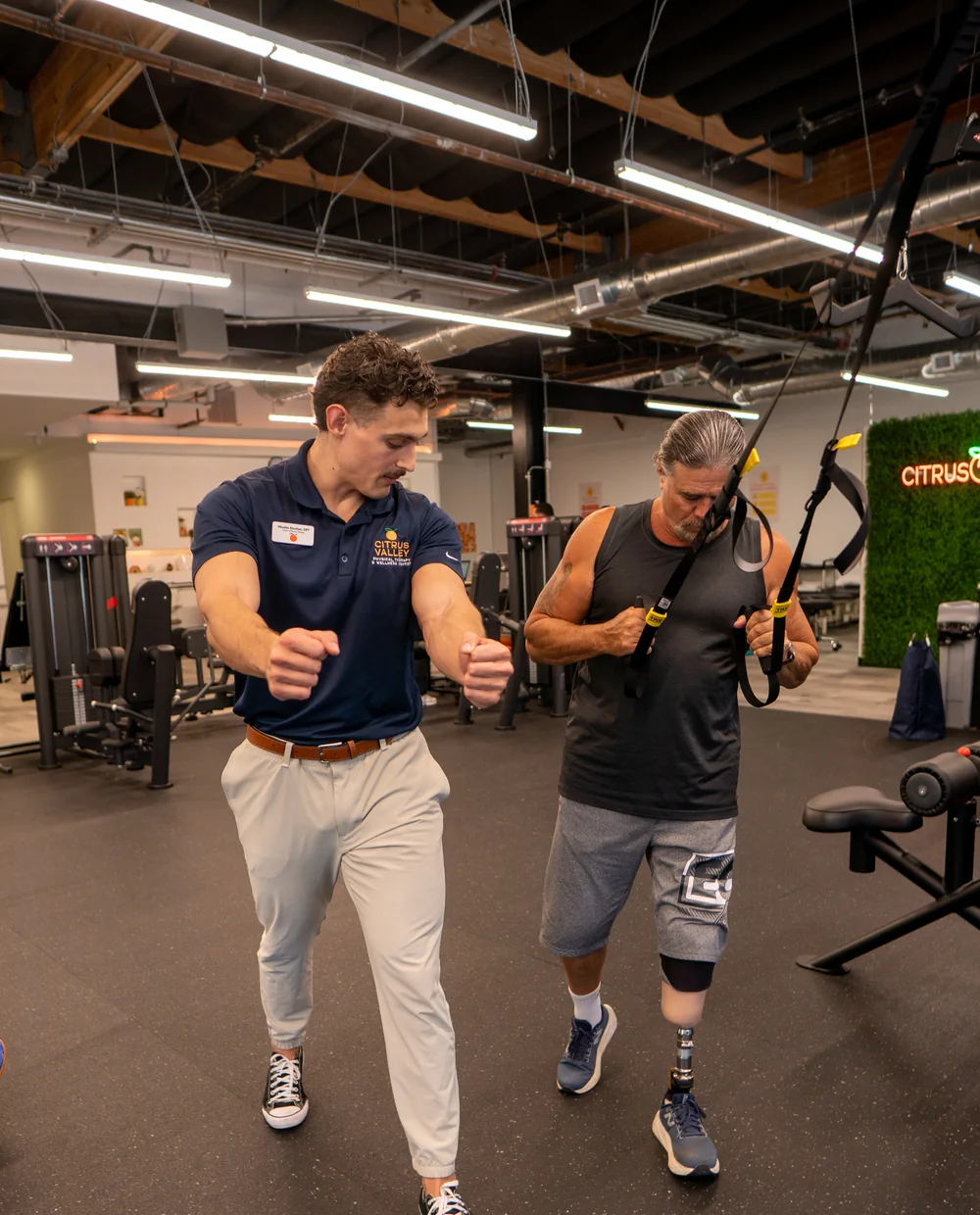
How physical therapy in Redlands helps.
Nothing here is aimed at undoing the stroke. The work is aimed at function and independence: what you can do, how safely, and how much of your day you can run without asking for help. It follows the same four phases as every plan of care here. Pain settles the secondary problems an asymmetrical body creates, usually a painful shoulder on the affected side or a sore lower back. Prime restores the motion tone quietly takes away and reconnects you to the affected side. Perform is task specific training: standing up from the chair you actually own, walking on grass and slopes rather than flat hallways, managing a curb. Prevent covers falls, home setup and the program that protects the gains. Sessions run 30 to 60 minutes, one on one, and progress is re-tested at every visit.
What to expect from stroke rehab here.
A first visit that starts with your day, not your diagnosis
Your first appointment runs about an hour, one on one with a doctor of physical therapy. We go through your history and any hospital notes, then spend most of the time on what you have stopped doing: the stairs, the shower, the curb outside the front door. The exam measures strength side to side, joint range, tone, sensation, sitting and standing balance, and how you walk. You leave with a plan naming two or three functional targets in your own words. In California you can begin without a physician referral for up to 45 days or 12 visits, whichever comes first, and some plans have their own requirements, so call or text and we will verify your benefits first.
Repetition with enough difficulty to matter
Visits typically run 2 to 3 times a week for 4 to 6 weeks before the plan is reviewed, and each one combines hands on work with a high volume of active practice. Neuroplasticity responds to specificity and to challenge, so if the goal is getting out of a chair, you practice that many times at a height that is genuinely hard. Expect gait training with progressively less support, strength work on the affected side, supervised balance work at your limit, and a short home program.
Independence, then keeping it
Progress after a stroke is uneven and personal, so we measure rather than predict. Your therapist re-tests the same measurements every visit and shows you the numbers, and if something is not moving the plan changes instead of repeating. As targets are met, work shifts toward endurance, community distances, uneven ground and the fall risks in your own home.
Citrus Valley Physical Therapy is the best place for therapy. Everyone there is great, help full, they know exactly what they are doing and everything is so clean and disinfected.
Recovery rarely involves one system alone.
Balance and Gait Disorders
Walking speed and steadiness are the measurements that track independence most closely.
Neurological Disorders
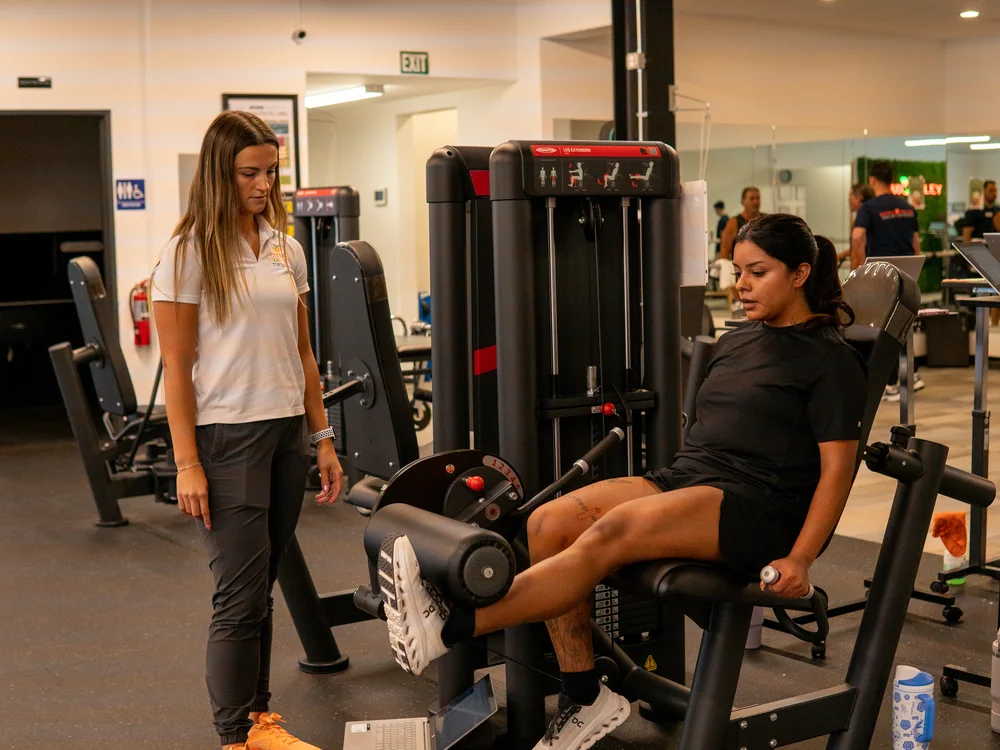
The same neuroplasticity principles drive rehab across neurological diagnoses, not just stroke.
Fall Prevention Services
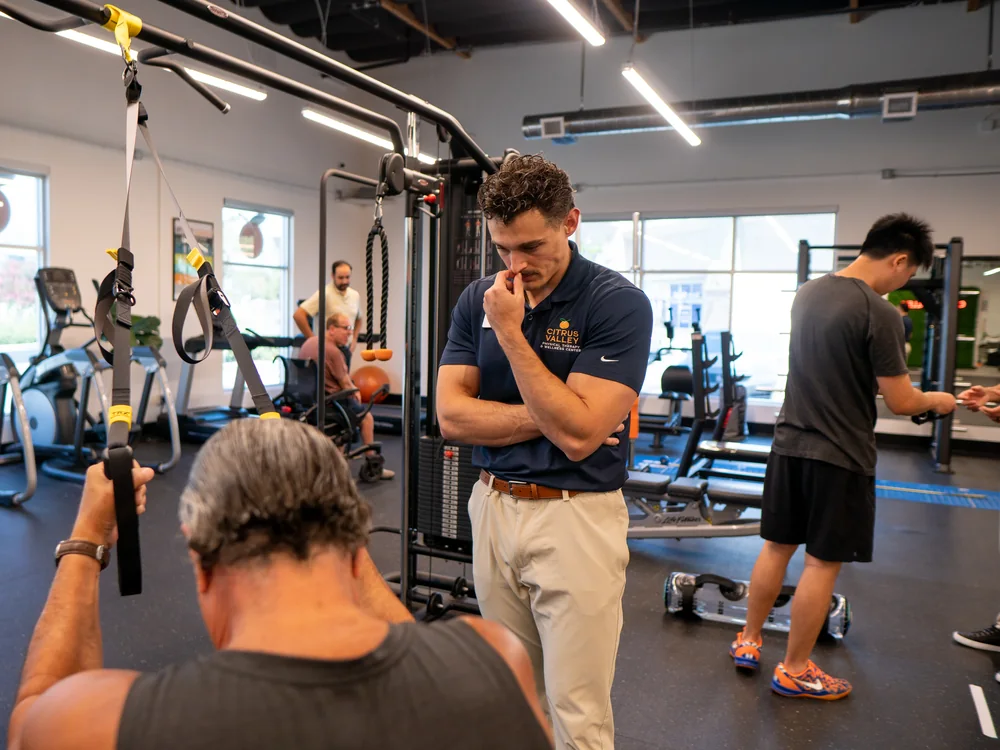
One fall can undo months of progress. Screening and home strategy protect what you rebuild.
Ready when you are.
All fields are required.