Neuropathy Treatment in Redlands
Burning at night. Numb in the morning. A floor you can see perfectly well but cannot quite feel. Neuropathy is a nerve problem, and the biggest risk it creates is not the pain. It is what happens to your balance once your feet stop reporting in.
What Causes Neuropathy?
You have probably been told there is not much to be done, and that you should keep an eye on your feet. That is half an answer. Peripheral neuropathy is damage to the nerves running out to your hands and feet, and it does two separate things: it sends signals that should not be there, the burning and the pins and needles, and it stops sending signals that should be, the sensation your balance quietly depends on. Physical therapy does not repair a damaged nerve. It works on everything the damage puts at risk: your footing, your strength, your ability to move without dreading it, and your feet staying intact.
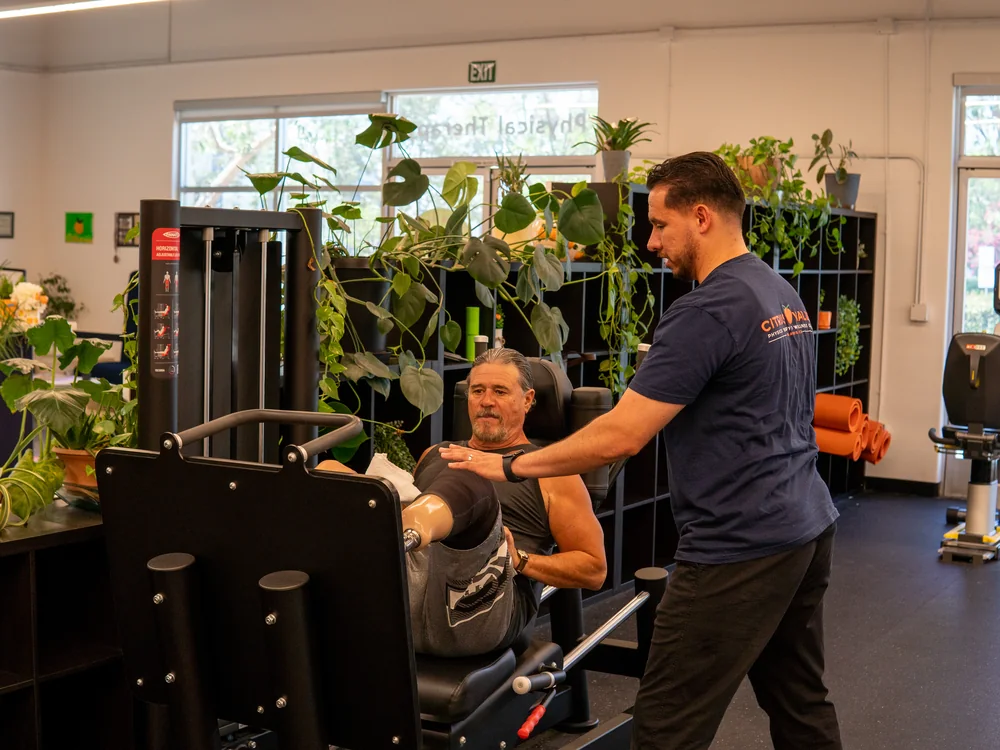
Sustained high blood sugar damages the small vessels that feed your nerves, and the longest nerves in the body starve first. That is why it begins in the toes and works upward in a stocking pattern rather than following one nerve. Blood sugar control belongs to you and your physician. What happens to your balance, your calf strength and your walking as sensation fades is what we work on.
Several common chemotherapy agents are toxic to peripheral nerves, so numbness and tingling in the hands and feet turn up during or after treatment. It often improves slowly over months, and sometimes it does not fully resolve. Either way the deconditioning that came with treatment is treatable now, and balance work started early protects you during the stretch when your feet are least reliable.
Sometimes the nerve is healthy but squeezed somewhere along its route, at the wrist, the elbow, the ankle or where it exits the spine. The giveaway is that symptoms follow one nerve's territory rather than spreading evenly across both feet, and that specific positions reliably set them off. Compression usually responds well, because releasing the pressure and restoring how the nerve glides addresses the actual mechanism. See carpal tunnel syndrome.
A fracture, a deep laceration or an operation near a nerve can leave a patch of numbness, weakness or burning that outlives the wound. Nerve regrows slowly and along a fairly predictable timeline. In the meantime the muscles it supplies need to be kept and the joints need to be kept moving, so that when the signal does return there is something functional waiting for it.
Nerves need specific nutrients to maintain their insulation, and B12 deficiency is a well known cause of peripheral neuropathy. So is long term heavy alcohol use, partly through direct toxicity and partly through the deficiencies that accompany it. These are worth chasing down with your physician, because the underlying cause is addressable in a way many others are not.
This is the part that gets underplayed. Your feet feed your balance system constant information about the surface underneath you, and when that stops, your body falls back on vision, which is why the dark and uneven ground suddenly feel dangerous. The same numbness means a blister or a stone in your shoe can go unnoticed for days. Balance retraining and daily foot checks are protective, not optional extras.
How Physical Therapy in Redlands Helps
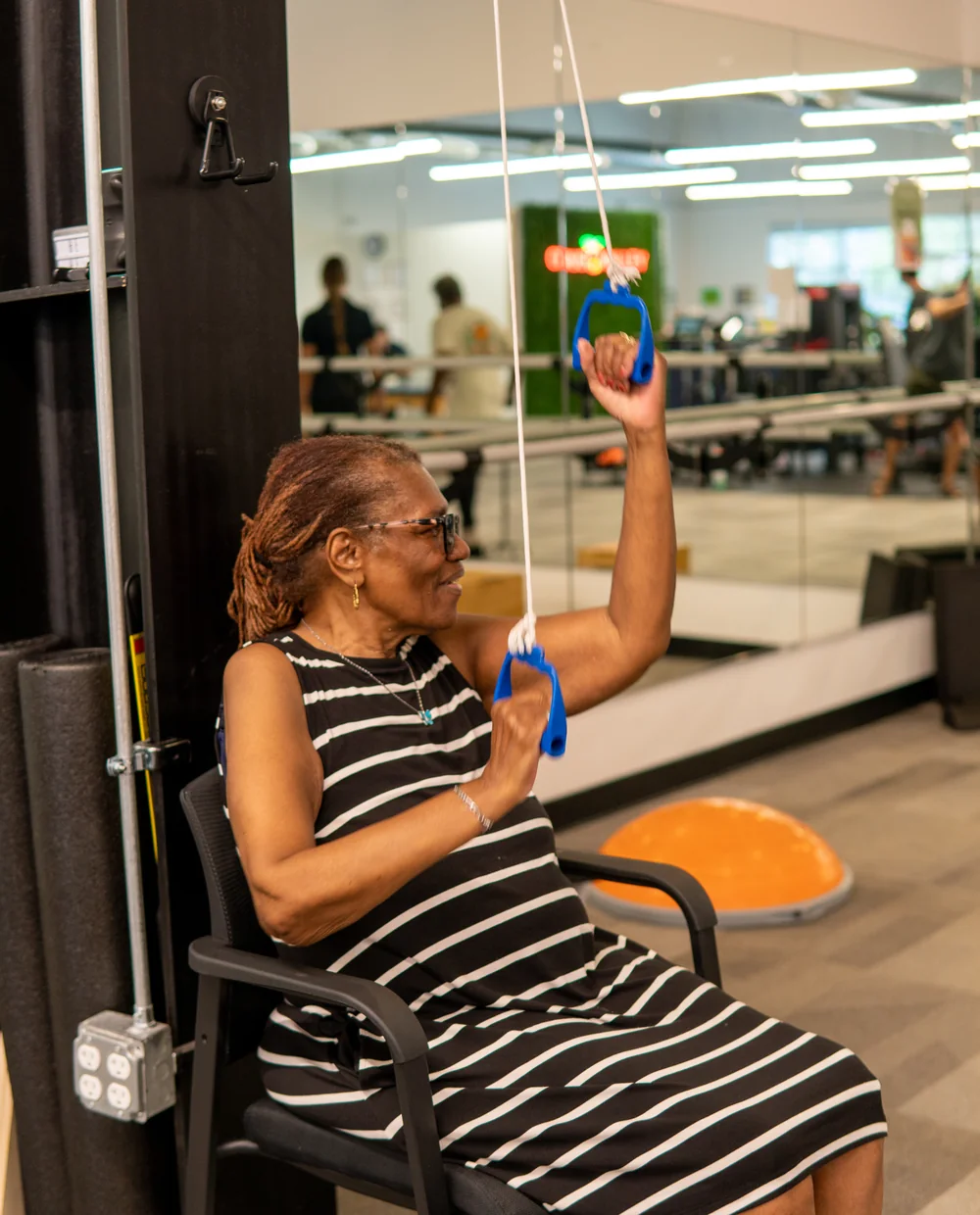
We are honest about the boundary here: physical therapy does not regrow nerve. What it does is train the two systems that can compensate for the one you have lost, your vision and your inner ear, so balance stops depending on feet that cannot report back. Alongside that comes strength work for the hips, calves and feet that quietly weaken as you move less, gait training so your walking pattern is safe rather than merely cautious, and hands on work where a nerve has lost its glide. Sessions are one on one and run 30 to 60 minutes, and the measurements come out at every visit.
What to Expect When You Start
The evaluation
Your first visit runs about an hour, one on one with a doctor of physical therapy. You will map out exactly where the numbness and burning sit, when they are worst, and what has changed about how you walk or what you have stopped doing. Then sensation testing, strength through the feet, calves and hips, and balance measured with your eyes open, with them closed and on an unstable surface, because that comparison tells us how much you are leaning on vision. In California you can start without a physician referral for up to 45 days or 12 visits, whichever comes first.
Your plan, in four phases
Every plan here moves through Pain, Prime, Perform, Prevent. Pain addresses the symptoms that are limiting you, including nerve glide work where a nerve is compressed and desensitisation strategies where touch has become painful. Prime restores ankle and foot mobility, which numb feet lose fast. Perform is progressive balance and strength work, taken to the point where it is genuinely challenging under supervision. Prevent is your home program, plus footwear and daily foot checks.
Measured, not guessed at
Most plans of care run 2 to 3 visits a week for 4 to 6 weeks, and many patients notice a change in the first week or two. The goal is stated plainly: better balance, more strength, fewer near misses, and confidence on ground that used to worry you. Your therapist re-tests the same balance and strength measures every visit, and we verify your insurance benefits before you commit to a course of care.
The treatment I'm receiving has been excellent. The staff has been helpful and the treatments have been unique and specific to my needs.
Other Conditions We Treat in Redlands
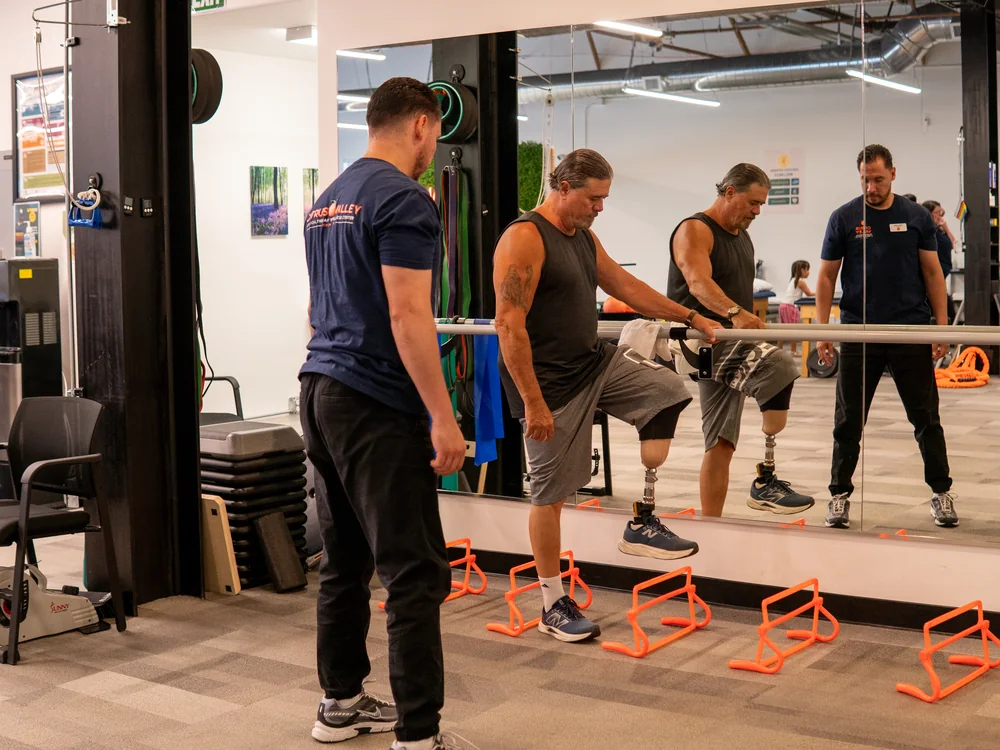
Balance and Gait Disorders
Numb feet are one reason balance fails. Testing sorts out which of the three balance systems has gone quiet.

Fall Prevention
Screening, home hazard review and progressive balance work, because with numb feet the stakes are higher.
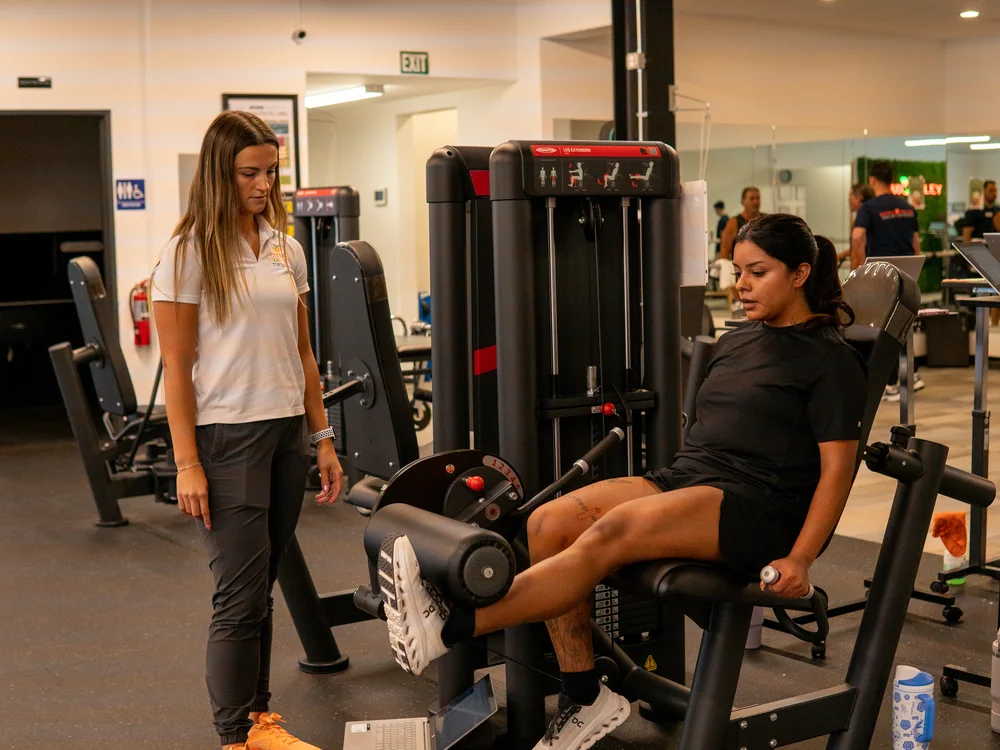
Carpal Tunnel Syndrome
When the numbness is in the hand and follows one nerve, compression at the wrist is the more likely story.
Ready when you are.
All fields are required.