Headache Relief in Redlands
You keep something for it in every bag, every drawer, and the car. When headaches have become the baseline rather than the exception, it is worth finding out what is actually setting them off.
What causes headaches?
You have stopped counting them. You know which ones you can work through and which ones cost you the evening, and you have been told more than once that it is just stress. Headaches are not one condition. They are a symptom with several different drivers, and the useful question is which type you have. Tension type, cervicogenic, and migraine all feel like a bad headache from the inside, but they behave differently under testing. That sorting is what an evaluation is for.

The top three joints of the neck share a nerve relay with the nerve that supplies your face and scalp, so irritation there gets misread by the brain as pain behind the eye, at the temple, or over one side of the skull. The giveaway is that it is usually one sided, it starts at the base of the head, and pressing the right joint reproduces your exact headache. That last part makes it one of the most testable headache types, and it is treated through the neck rather than the head. If neck symptoms are your main complaint, our neck pain page covers that side in more depth.
This is the band around the head, both sides, dull rather than throbbing, that builds through the afternoon. It tracks with sustained low level muscle activity and with a nervous system that has been running hot, which is why it clusters around deadlines, poor sleep, and long stretches at a screen. It responds to changing the total load: work setup, movement breaks, aerobic exercise, sleep, and specific strengthening for the muscles that never get to switch off.
Migraine is a neurological event, throbbing and often one sided, with light or sound sensitivity and sometimes nausea. Physical therapy does not cure migraine, and anyone telling you otherwise is overselling. What it can do is remove the triggers within reach: neck joint irritation, jaw tension, poor sleep positioning, and deconditioning. Many patients find that fewer triggers means fewer episodes and shorter ones, alongside whatever their physician is managing.
The temporalis muscle covers the side of your head, and it is a jaw muscle. Clench or grind at night and you wake with tenderness across the temples that reads as a headache. Jaw and upper neck problems also travel together, since they share nerve territory. Treating the jaw, including how it moves and how much it rests, often takes the edge off headaches that seemed to have no cause.
After a head or whiplash injury, headaches can persist well past the point where everything else has settled. Some of that is neck, some of it is the visual and vestibular systems working harder than they should to keep the world steady, and the fatigue that follows makes it worse. Testing tells the two apart, and each is treated differently, which is why blanket rest tends to stall out.
Screen height, a pillow that is too tall, a bag on the same shoulder, hours without changing position: all of it adds to one running total. No single item causes a headache, which is why changing one thing rarely helps. Reducing several at once often moves the weekly count, and it is the cheapest part of the plan.
How physical therapy in Redlands helps.
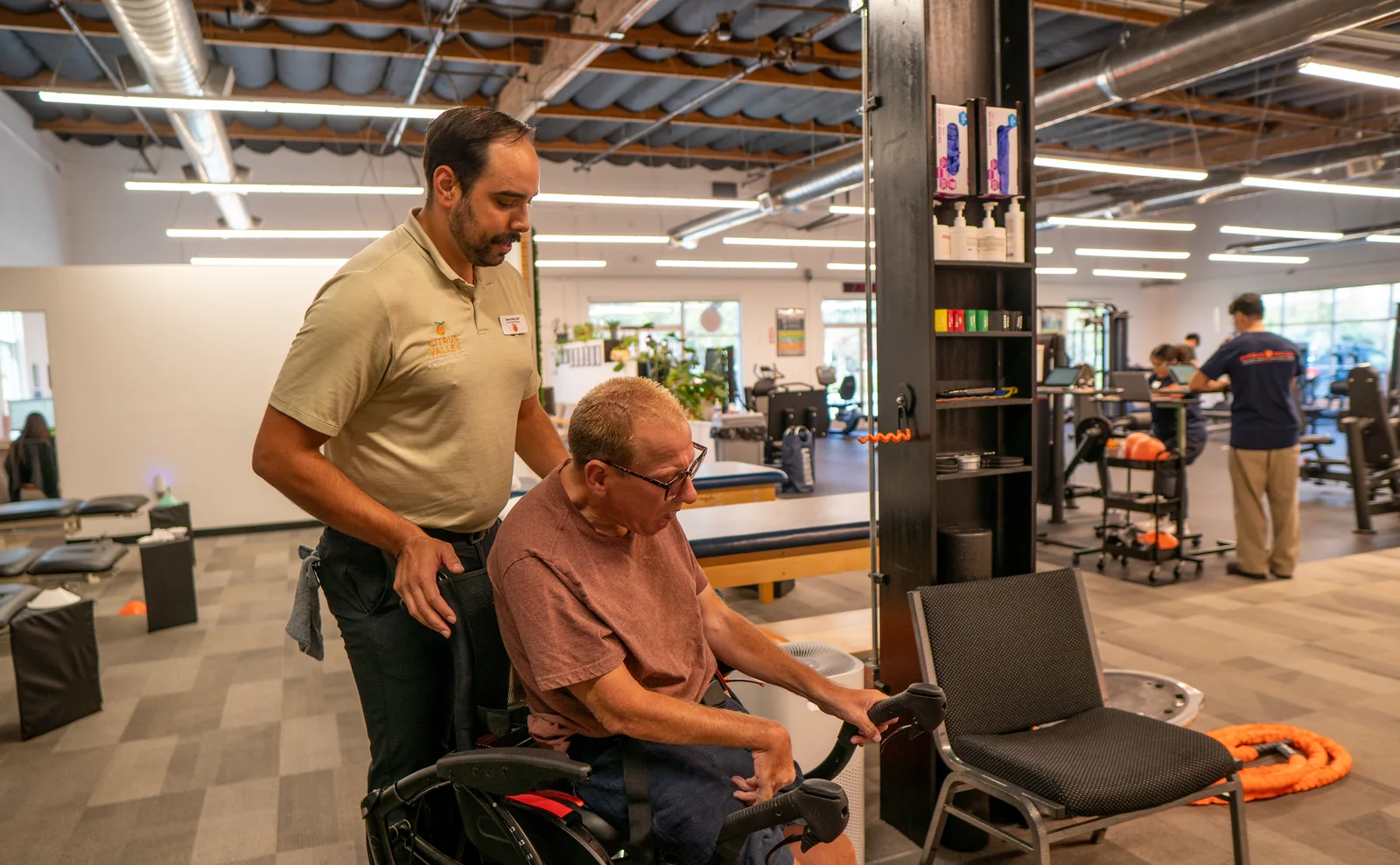
The first job is classification, and that takes an hour, one on one with a doctor of physical therapy. We screen for the red flags that belong to a physician, then test the upper cervical joints to see whether they reproduce your headache, check jaw movement, and go through when they hit and what you were doing. From there the plan follows four phases: Pain, calm the driver we found. Prime, restore the movement the joints and jaw have lost. Perform, build endurance in the muscles holding you up all day. Prevent, keep the triggers down once frequency drops. Headaches that respond to physical therapy usually show it early. If yours do not, we will say so and help you get to the right person rather than keep booking visits.
What to expect from your recovery.
Sorting out which headache you have
The first visit is about an hour. We map the pattern: where it starts, which side, what makes it worse, how often, and what you have already tried. Then we test, including whether pressure on specific upper neck joints reproduces your headache, how your jaw opens and tracks, and how long you last in the positions your day demands. You leave with a name for what you have and an honest read on whether therapy is likely to change it.
Turning down the driver
Treatment matches the finding. Joint irritation gets hands on work and graded movement. Jaw involvement gets soft tissue work and a resting position to practise. Trigger heavy patterns get their load reduced across sleep, screen setup, and activity. Sessions run 30 to 60 minutes, and you leave each one with something small to do rather than a page of exercises you will not open.
Making the change stick
Frequency is the number we track, not just how bad today was, so you keep a simple count and we compare it every visit. As the count drops we build the endurance that lets you hold a position without symptoms creeping back, and we rehearse the return to the work, training, or driving that used to set them off. Most plans of care run 2 to 3 visits a week for 4 to 6 weeks.
The treatment I'm receiving has been excellent. The staff has been helpful and the treatments have been unique and specific to my needs.
Pain rarely travels alone.
Neck Pain
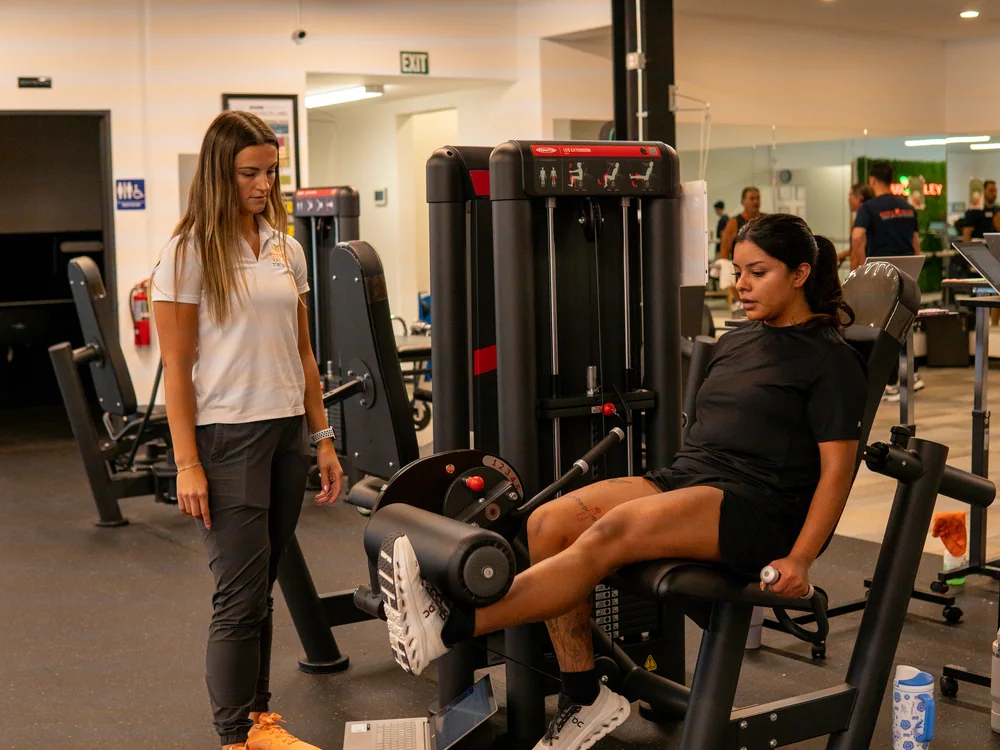
If the neck itself is the loudest complaint, start there. Cervicogenic headaches are treated through the neck.
Dizziness & Vertigo
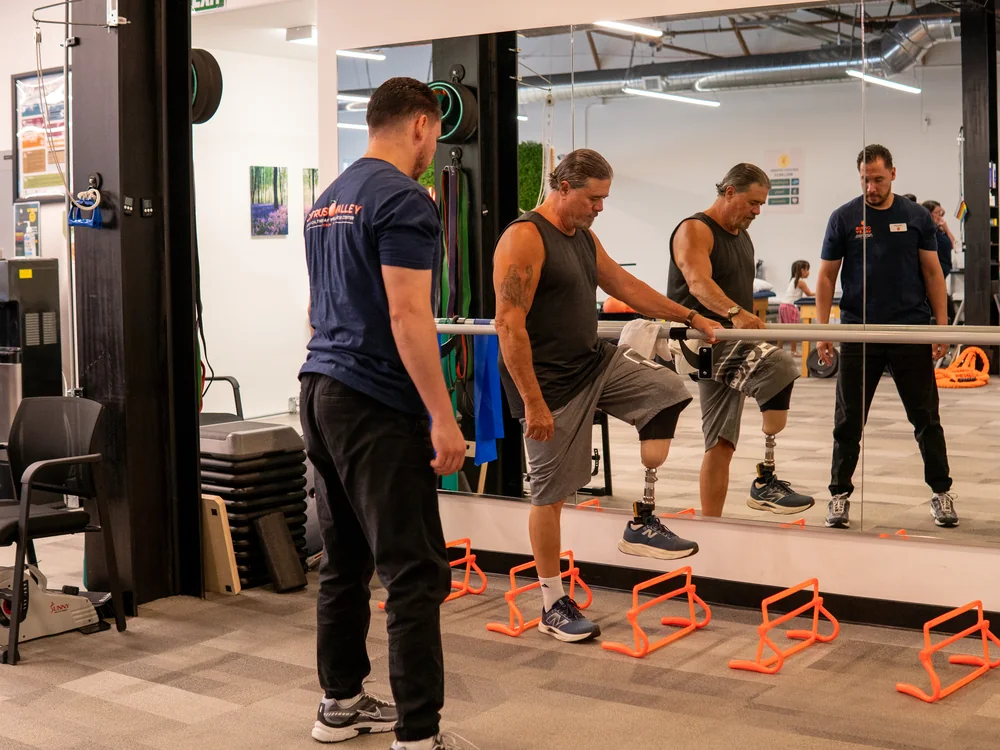
Headaches that travel with dizziness point at the vestibular system, which gets its own set of tests.
TMJ/TMD
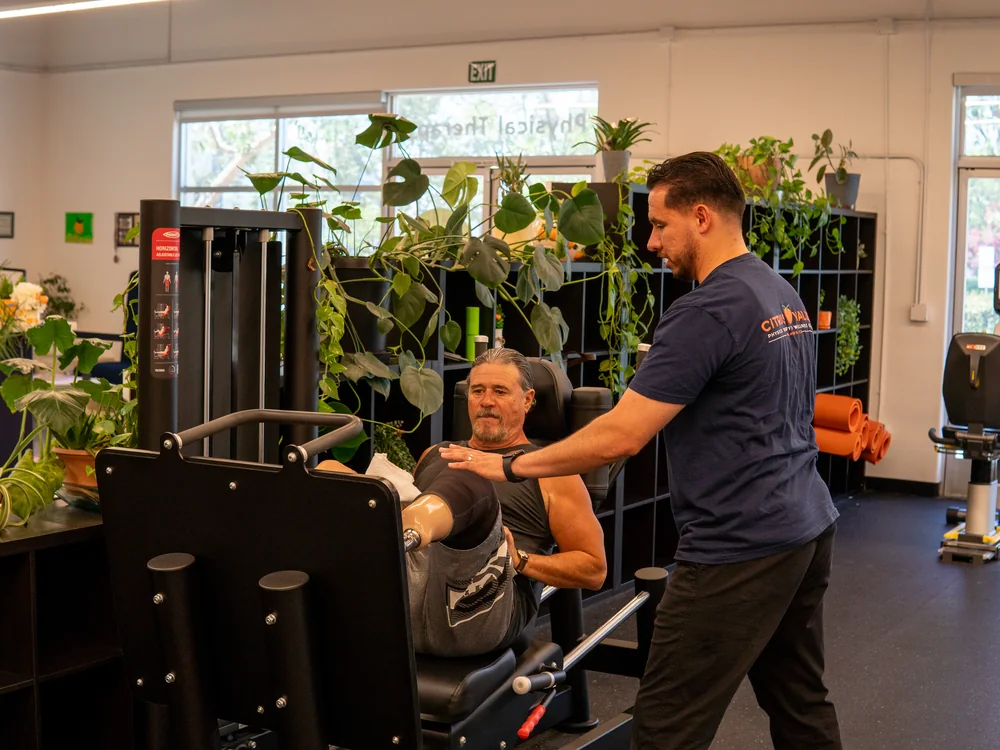
Temple pain on waking is often a jaw story. Clenching and grinding are treatable, and they travel with headaches.
Ready when you are.
All fields are required.