Dizziness & Vertigo Treatment in Redlands
You sit up slowly now. You have stopped rolling over quickly in bed, stopped looking up at the top shelf, and you have been told more than once that it is just your age. Dizziness is a signal from a system that can be tested, and in most cases retrained.
What causes dizziness and vertigo?
Dizziness is a symptom, not a diagnosis, and the word covers several very different problems. Vertigo, the false sense that you or the room is spinning, usually points at the inner ear. Lightheadedness, floating and visual fog point somewhere else: the neck, the eyes, blood pressure or the nervous system. The treatments are not interchangeable, which is why the first job is working out which system is actually sending the wrong signal.
Tiny calcium crystals in your inner ear normally stay put. When they get dislodged, your brain gets a false signal that you are spinning. Certain head movements trigger violent spinning. BPPV responds well to repositioning maneuvers, and for many people the change is quick once the affected canal has been identified. That is why the positional testing at the first visit matters so much.
Sometimes the nerve that connects your inner ear to your brain becomes inflamed, usually from a virus. This causes severe vertigo that can last days or weeks. Recovery usually happens on its own, but physical therapy can accelerate it and prevent complications. Without guided movement during recovery, the brain can develop compensation patterns that leave lingering unsteadiness long after the initial inflammation resolves.
The nerves and joints in your neck send constant position updates to your brain. When the neck is stiff, misaligned, or inflamed, these signals get confused. The result is dizziness that often comes with head turning or certain neck positions. Treating the neck often fixes the dizziness.
Dizziness can be a migraine event on its own, with no headache attached at all. The nervous system becomes hyperresponsive, so busy visual environments, supermarket aisles, scrolling and passing traffic all feel destabilising. Treatment works on tolerance rather than avoidance, using graded exposure to motion and visual load alongside whatever trigger management your physician has set up.
A concussion can disrupt both the vestibular system and the connections in the brain that process balance, vision and movement together. Symptoms often show up as dizziness with screen work, crowded rooms or quick head turns rather than at rest. Recovery takes structured therapy that reintroduces those triggers in a controlled order, since complete rest past the first few days tends to prolong things rather than settle them.
How physical therapy in Redlands helps.
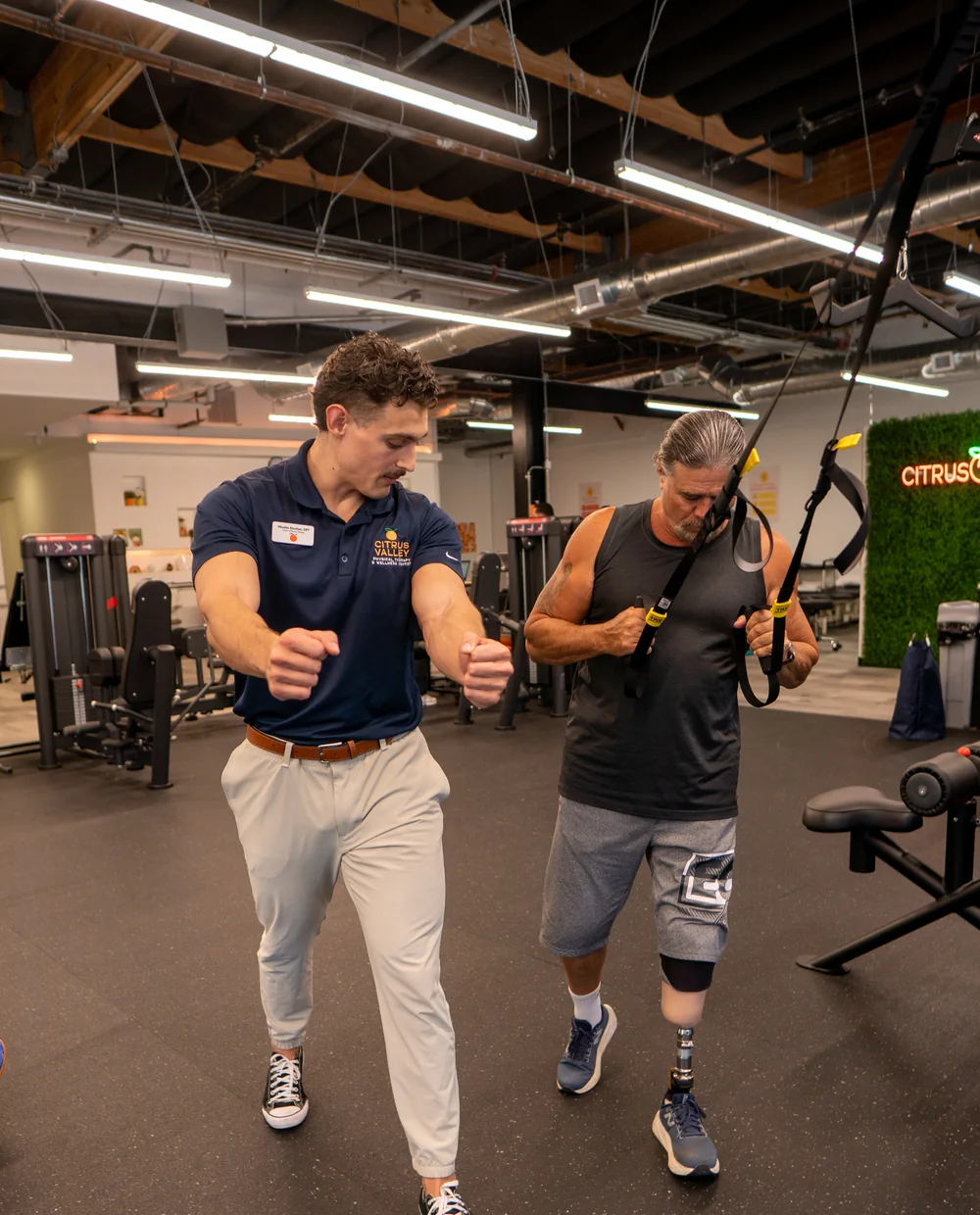
Vestibular therapy is aimed at the specific source, which is why the testing comes first. If it is BPPV, treatment is a repositioning maneuver for the affected canal. If it is neuritis or a one sided vestibular loss, it is graded exercise that pushes the brain to recalibrate rather than avoid. If it is coming from the neck, the neck gets treated. The common thread is controlled exposure: movements that provoke a little dizziness, repeated in a safe setting, until the nervous system stops reading them as a threat. Most patients also carry habits built during the worst of it, like never turning the head quickly, and part of the work is dismantling those so movement stops being guarded.
Sessions are one on one and run 30 to 60 minutes. The first visit is about an hour with a doctor of physical therapy, spent mostly on testing: positional tests, eye movement, balance in different sensory conditions, neck mobility and how symptoms behave with head motion. Most plans run 2 to 3 visits a week for 4 to 6 weeks, and many patients notice a change in the first week or two, with re-testing at each visit so progress is measured rather than guessed at. In California you can start physical therapy without a physician referral for up to 45 days or 12 visits, whichever comes first. Some plans still need one for coverage, so call or text and we will check yours. If anything in your testing suggests this is not a vestibular problem, we will say so and send you back to your physician.
What to expect from your recovery.
Assessment and symptom trigger identification
We perform specific tests to identify the cause of your dizziness and find what movements trigger it. Pinpointing the exact trigger early is often the difference between a fast recovery and months of guesswork.
Progressive vestibular retraining
We introduce controlled movements that trigger dizziness but stop short of overwhelming you. Repeated, safe exposure to these movements tells your nervous system the sensation is not dangerous. Dizziness decreases with each session. This part can feel uncomfortable in the moment, but it is exactly how the brain relearns to trust movement again.
Return to unrestricted movement and life
As symptoms resolve, you progress to complex movements and real-world activities. You leave confident that dizziness is not controlling your life anymore. That includes the everyday moments, like turning quickly to check traffic or looking up on a ladder, that dizziness had quietly taken away.
EXCELLENT FACILITY - PROFESSIONAL FRIENDLY STAFF WHO ARE VERY WELL ORGANIZED AND FOCUSED ON PROVIDING EXERCISES TO IMPROVE YOUR ABILITIES.
What we often treat alongside it.
Balance and Gait Disorders
Dizziness and unsteady walking usually arrive together. We treat the vestibular system and the strength behind it.

Neck Pain
A stiff, irritated neck sends confused position signals. Treating it often settles the dizziness with it.
Fall Prevention
A brief spin on standing is one of the more common lead ins to a fall. Worth testing directly.
Ready when you are.
All fields are required.