Postural Restoration in Redlands
You did the exercises. You did them properly, for weeks, and the same side still hurts. Some patterns are not a strength problem. They are a position problem, and position has to be restored before strength has anywhere to go.

What is postural restoration?
Every plan you have tried started with strengthening, and each one worked until it did not. That is worth taking seriously rather than repeating louder. Postural restoration comes out of the Postural Restoration Institute, a school of thought built on an observation that is easy to check: the human body is not symmetrical and it does not load itself evenly. The diaphragm, the liver and the way the ribcage attaches differ from one side to the other, so most people settle into the same predictable pattern, weighted through one hip, rotated slightly, with one side of the ribcage doing more of the breathing.
Inside that pattern, some muscles are already held long and others already held short before you pick up a single weight. Strengthening everything from there just reinforces the position you are stuck in, which is why the relief keeps expiring. Postural restoration works in the other order. Position comes first, restored through specific postures and a breathing strategy that lets the ribcage and pelvis settle back toward neutral, then strength goes on top so the new position holds under load. If you want the measured, exercise led version of the same problem, that is what postural assessment and training covers, and the two are often run alongside each other.
Who it's for.
This approach earns its place when a problem keeps returning to the same side of you, or when ordinary strengthening has already been done well and still did not hold.
Pain that keeps coming back to one side
Same hip, same low back, same shoulder, year after year. If the pattern underneath was never changed, every round of strengthening loads the same asymmetry again. Restoring the position first is what gives the strength work somewhere to stick.
You live on one side without noticing
You always shift onto the right leg, cross the same knee, sleep facing the same way. A therapist can usually show you the pattern in about a minute, and the repositioning work gives you a way out of it that outlasts a reminder to stand evenly.
Breathing that never feels like it fills
A ribcage that stays flared, a deep breath that seems to go nowhere, tightness through the neck and low back that returns within hours of any release. Breathing mechanics are part of position, and addressing them is often what finally quiets that tightness down.
What to expect from postural restoration in Redlands.
Sessions look unlike most therapy people have had before. There is less visible effort and a great deal more precision, and it usually takes a couple of visits before that stops feeling strange.
Finding your pattern
The first visit runs about an hour, one on one with a doctor of physical therapy. Alongside the usual range and strength testing, your therapist watches how you shift your weight, how far you rotate in each direction, what your ribcage does on an inhale, and which positions you can reach on one side but not the other. That side to side difference is the finding the whole plan is built on.
Repositioning
The first exercises are quiet. Often you are on your back or against a wall, held in a specific position, using a long exhale to let the ribcage and pelvis settle before anything is asked of the muscles. It rarely feels like a workout, and the cue you will hear most is to do less, not more. Done correctly it tends to produce a measurable change in range inside the same visit, which your therapist re-tests before you leave.
Holding the position under load
Once the position can be reached, it has to survive you doing things. The work moves to standing, stepping, reaching and carrying, then to whatever you actually need it for, with the same breathing strategy built into each one. Most plans of care run 2 to 3 visits a week for 4 to 6 weeks. Discharge is the Prevent phase: two or three positions you can return to when the old pattern starts creeping back in.
Postural restoration is one framework and not the right first answer for every problem. Your therapist will say so if what you are describing is better handled with straightforward strengthening, manual therapy, or a measured postural program. The exercises also depend on exact position and breathing to do anything at all, which is why they are taught in person and re-checked rather than handed over on a printed sheet.
The treatment I'm receiving has been excellent. The staff has been helpful and the treatments have been unique and specific to my needs.
Where to go next.
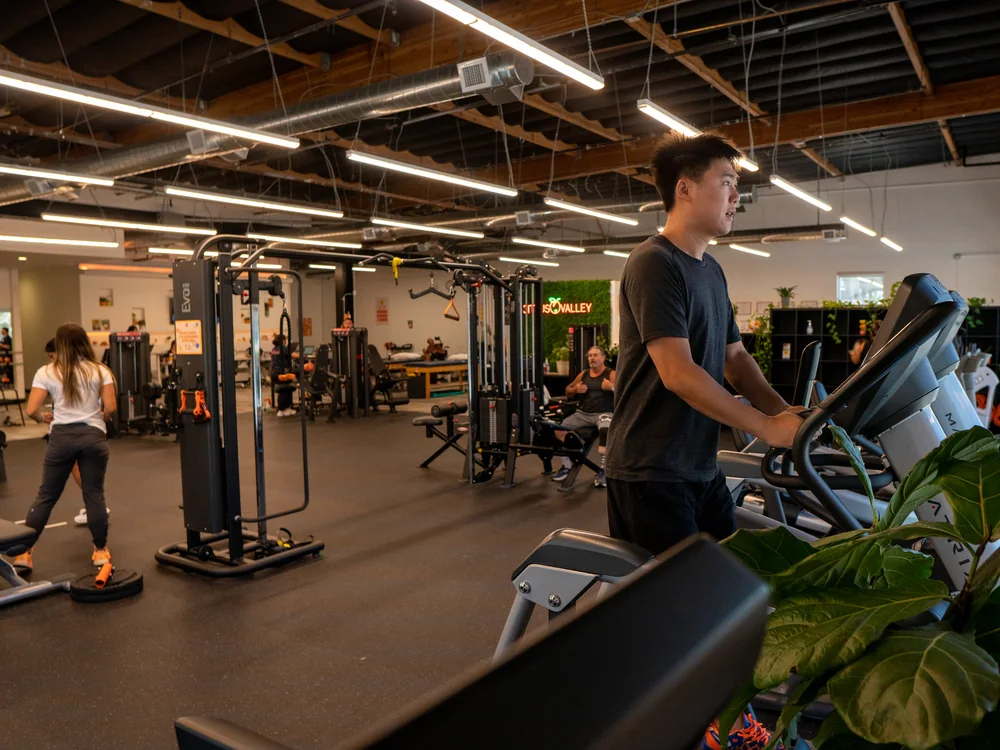
Postural Assessment and Training
The measured side of posture, with baseline numbers that get re-tested every visit.
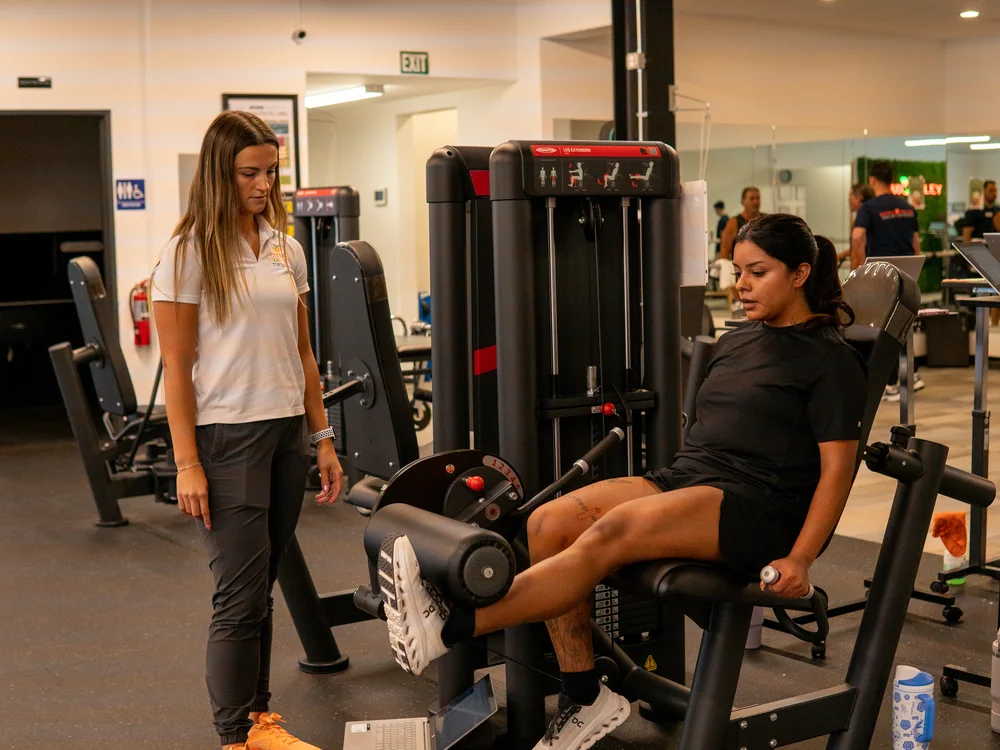
Back Pain and Sciatica
Where a one sided pattern shows up most often, and what we do about it.
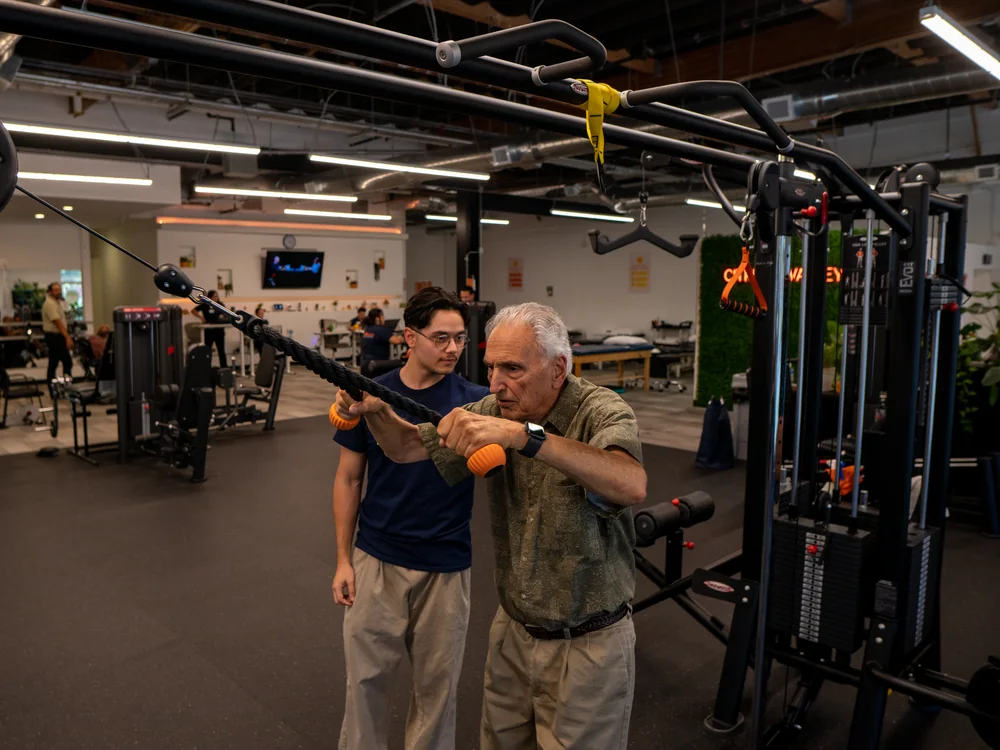
Shoulder Pain
Ribcage position changes what the shoulder blade can do. Often that is the driver.
Ready when you are.
All fields are required.