TMJ and TMD Treatment in Redlands
You stopped ordering the sandwich. You chew on one side without thinking about it, you wake up with a tight face, and the click has become something you plan around. The jaw is a joint, and it answers to the same rules as every other joint in your body.
What causes TMJ and TMD?
Most people arrive here after being told the jaw is a dental problem, a stress problem, or nothing much at all. Meanwhile you are cutting food smaller and holding your teeth together at your desk without noticing. Here is the reframe that changes the plan. The temporomandibular joint is a small, hard working joint with a disc inside it, muscles that move it, and a skull it hangs from that sits on your neck. Jaw pain almost never comes from the joint alone. It comes from all three together.
A small cartilage disc sits between the jaw bone and the skull and is meant to glide with the joint as you open. When it slips forward it can catch and snap back, which is the click most people hear on the way open and again on the way closed. If it stops relocating, the jaw opens less far and can feel like it locks. Restoring the glide and controlling how far you open is what settles it.
The masseter and temporalis are strong muscles that are not built to stay switched on for hours. Daytime clenching at a screen and nighttime grinding leave the muscles tender and the joint compressed, worst on waking or late in a work day. Treatment has to catch the habit as well as the muscle, which is why we teach a resting jaw position that makes clenching harder.
Your jaw hangs from your skull and your skull balances on your neck, so where the head sits changes where the jaw closes. A head carried forward of the shoulders for hours pulls the lower jaw back and changes how the teeth meet, loading the joint every time you swallow. That is why treating the jaw alone gives relief that does not hold.
Watch yourself open in a mirror and the jaw may swing to one side at the end of range. That deviation means the two joints are not sharing the work, and the one doing more takes more load with every meal. Retraining a straight, controlled opening is one of the most effective home exercises here.
A blow to the face, a whiplash injury, a long dental appointment or oral surgery all leave the joint irritated and the muscles guarded. Symptoms often show up days later, once the soreness fades and the guarding does not, so people rarely connect the two. A post trauma jaw is treated more gently than a clenched one.
Stress does not cause TMD on its own, but it raises resting muscle tone in the jaw and neck and changes how you breathe. Habitual mouth breathing keeps the jaw hanging open and adds load to muscles already busy. Restoring nasal breathing and a neutral jaw rest position removes hours of low grade load a day.
How physical therapy in Redlands helps.
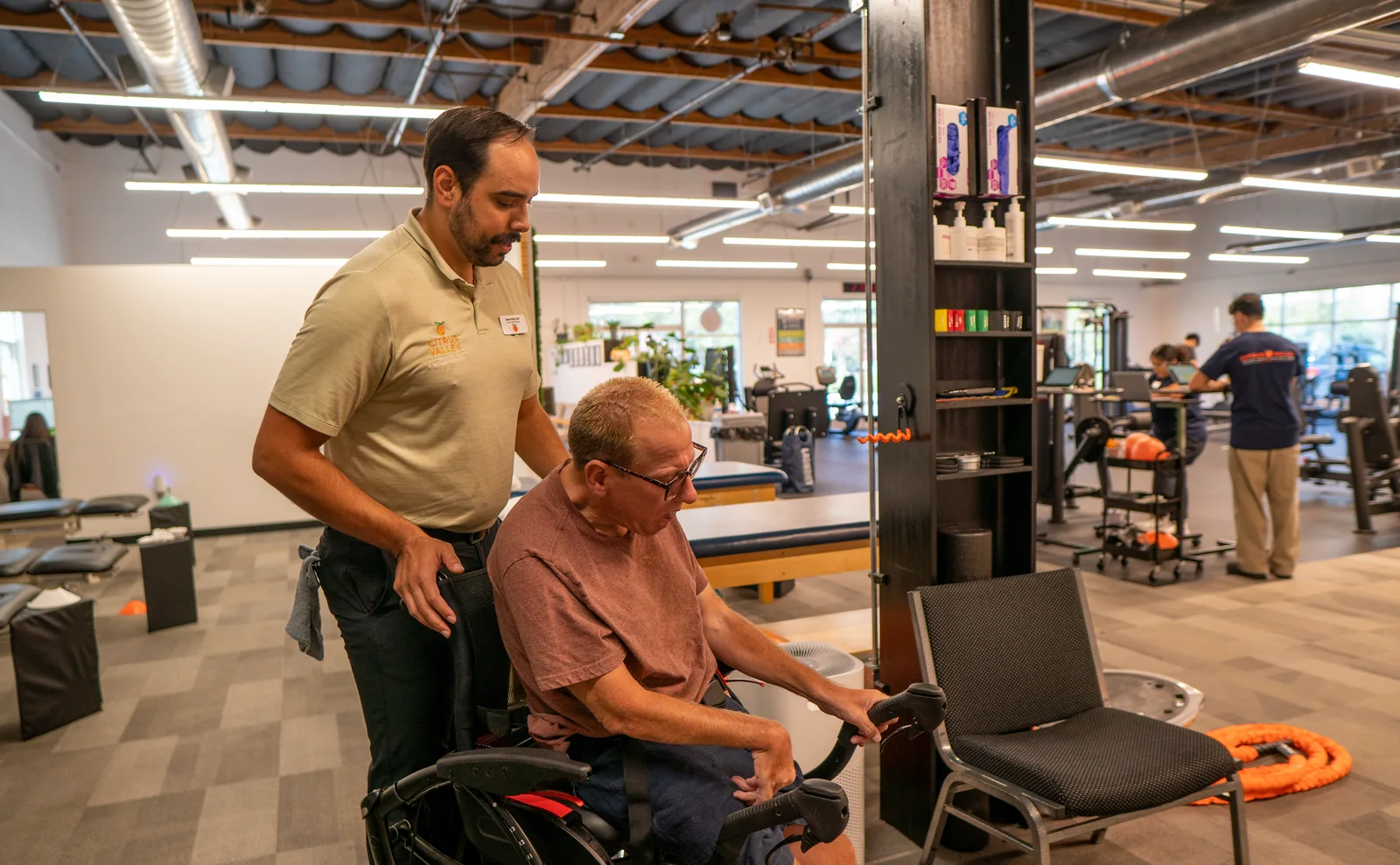
Jaw treatment follows the same four phases as everything else here, at a smaller scale and with a lighter hand. Pain comes first: hands on work to the masseter, temporalis and the muscles under the jaw, gentle joint mobilization, and a short list of things to stop for two weeks. Prime restores what the joint lost: symmetrical opening, controlled glide, and enough neck motion for the head to sit where the jaw needs it. Perform builds tolerance back up, chewing on both sides and talking through a full work day. Prevent is the habit layer, resting tongue position, nasal breathing and the desk setup that stops your head drifting forward. Sessions run 30 to 60 minutes, one on one, and most plans run 2 to 3 visits a week for 4 to 6 weeks.
What to expect from jaw treatment here.
An evaluation that measures the jaw and the neck
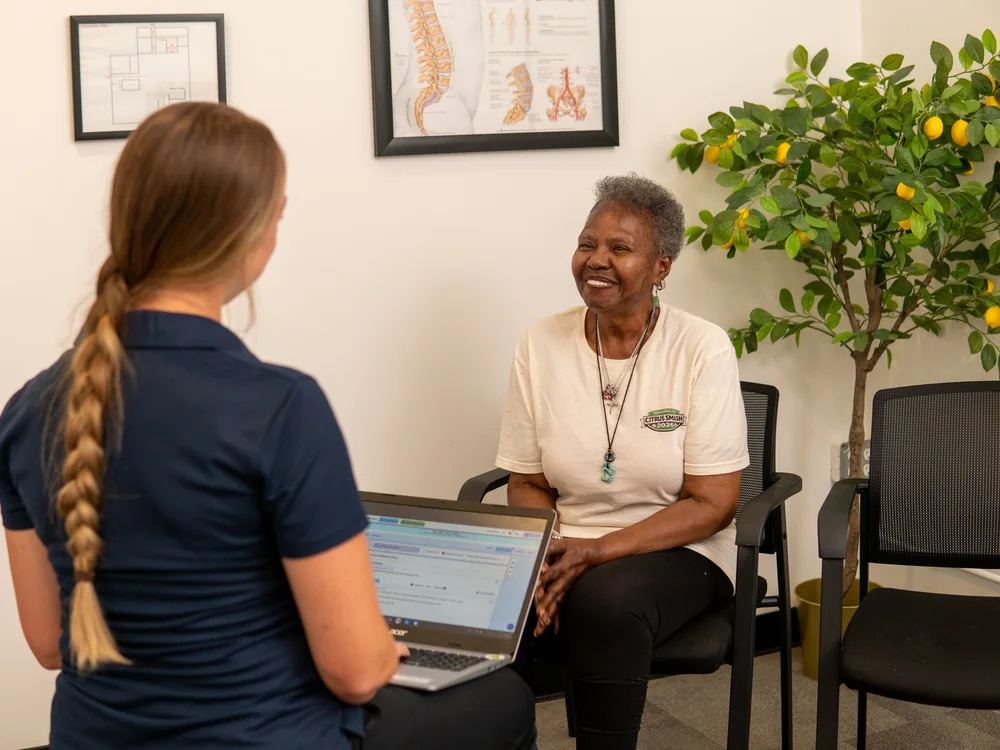
Your first visit runs about an hour, one on one with a doctor of physical therapy. We start with the history that usually explains it: when the clicking started, whether there was an injury or a long dental appointment, what you notice on waking, which foods you avoid. Then the exam. We measure how far you can open, watch whether the jaw tracks straight, feel the joint as it glides, and press the chewing muscles to find the ones generating your symptoms. In California you can start without a physician referral for up to 45 days or 12 visits, whichever comes first, and we verify your benefits beforehand so the cost is not a surprise.
Hands on treatment plus the small things you change at home
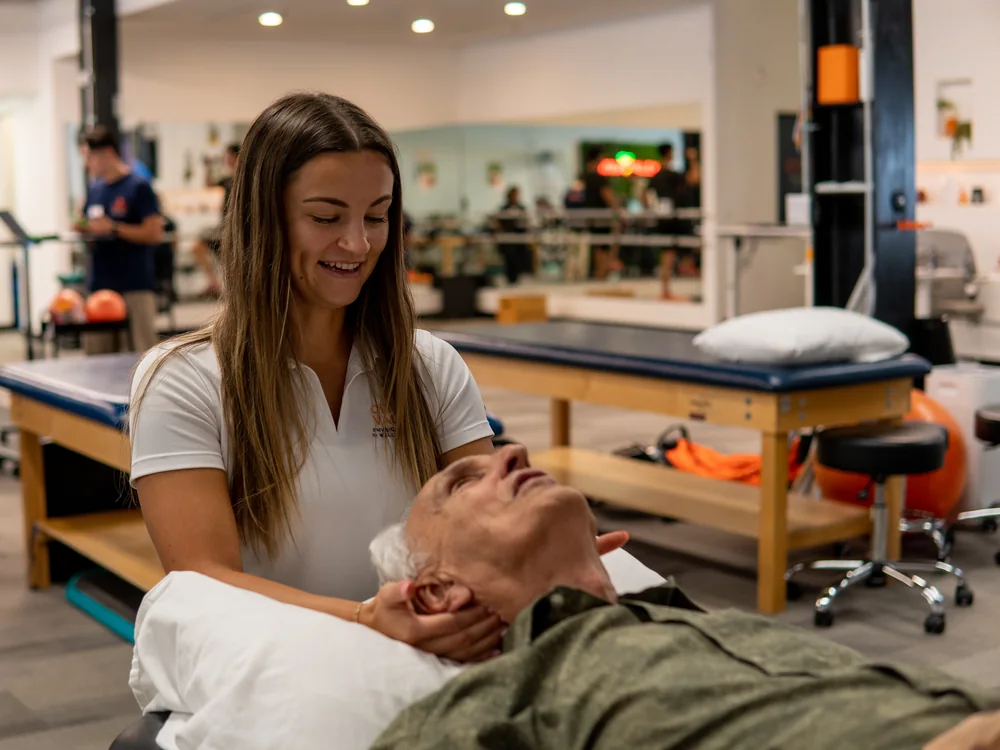
Sessions combine skilled hands on work with a very small home program, because the jaw responds better to frequent light input than occasional hard effort. Expect soft tissue work to the tender chewing muscles, gentle mobilization to restore joint glide, and work on the neck and upper back to change the position the jaw closes from, plus two or three exercises done several times a day. Many patients notice a change in the first week or two, usually in morning tightness or in how far they open before it catches.
Getting normal eating back, then keeping it
Your therapist re-measures opening, deviation and muscle tenderness at every visit, so progress is measured rather than guessed at. As those numbers improve the work shifts to tolerance: chewing on the side you have been avoiding, eating a normal meal without planning around it. What keeps it away is mostly habit, so you leave knowing your triggers and what to do in the first two days of a flare.
Very professional, but friendly employees. Calm environment, not chaotic like so many other PT places. Will always come here if need more PT.
The jaw rarely comes in alone.
Headaches
Temple and behind the eye headaches often trace back to the same overworked chewing muscles.
Neck Pain
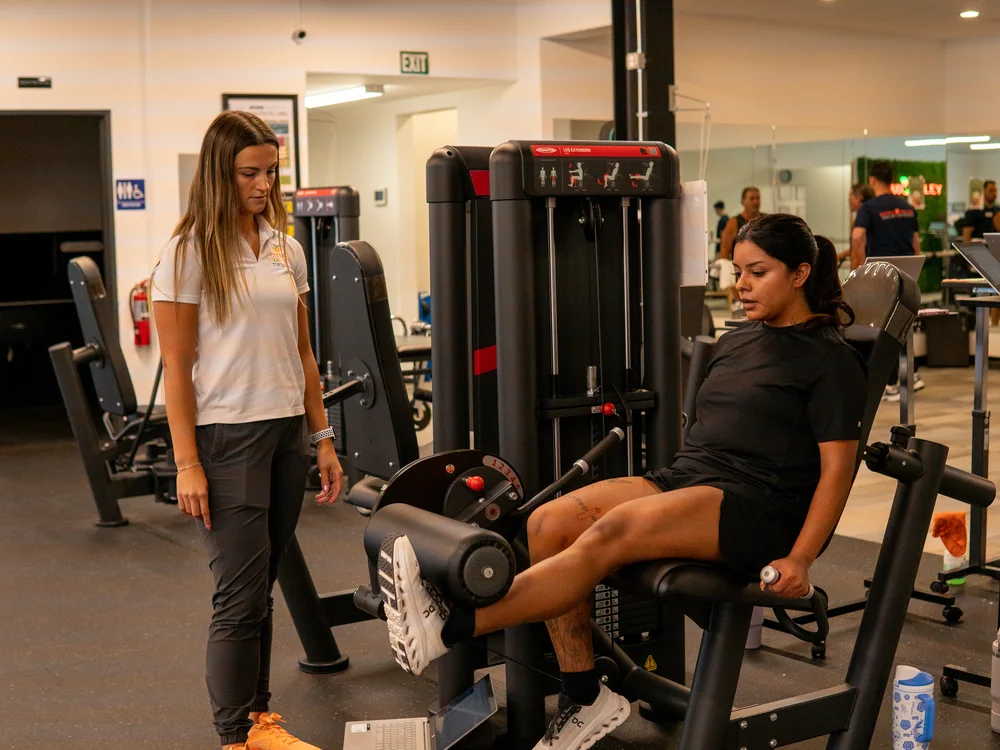
Where the head sits decides where the jaw closes. Treat one and you are usually treating both.
Myofascial Pain
Trigger points in the jaw and neck refer pain into the ear, temple and teeth. We map them.
Ready when you are.
All fields are required.