Orthopedic Therapy in Redlands
Joints, tendons, muscle and bone. Orthopedic therapy rebuilds the structure that broke down, and the movement pattern that broke it down in the first place.
What is orthopedic therapy?
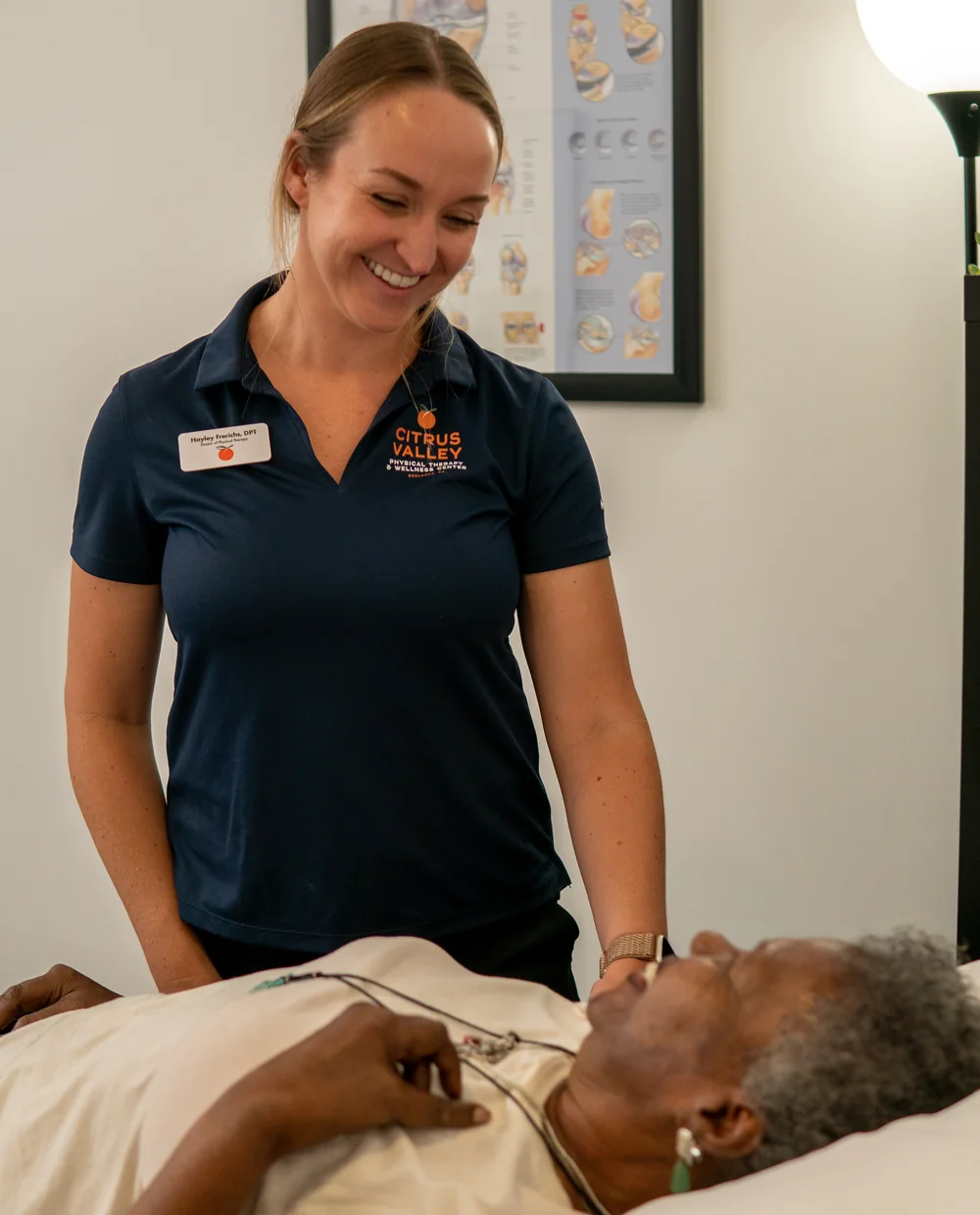
The knee gets through the day and then swells at night. The shoulder is fine until you reach behind the seat for something. The ankle you rolled two summers ago still does not trust a dark curb. Orthopedic problems announce themselves in one position rather than all the time, which is exactly what makes them easy to live around and hard to shake. Orthopedic therapy is physical therapy aimed at the musculoskeletal system: bones, joints, muscles, tendons, ligaments, and the way they share load between them. When one link in that chain loses motion or strength, the links above and below quietly take on the extra work, and the tissue absorbing that extra work is usually the tissue that starts to hurt. It is why the sore spot and the source are so often in two different places. Your evaluation runs about an hour, one on one with a doctor of physical therapy, who tests the joint above and the joint below the painful one as carefully as the painful one itself, then measures strength side to side so there is a real number to work from.
From there the plan follows four phases, in order. Pain: settle the irritated tissue down far enough that it can be moved and assessed honestly. Prime: give the joint back the range and control it lost. Perform: load the tissue progressively until it handles real work again, whether that is overhead, on stairs, or under a bar. Prevent: stop the pattern that caused it from quietly rebuilding itself. Treatment blends skilled hands on work with graded loading, drawing on manual therapy, IASTM and progressive strengthening, and it covers the full orthopedic range from shoulder pain and hip and knee pain to arthritis and recovery before and after surgery. Sessions run 30 to 60 minutes, most plans of care run 2 to 3 visits a week for 4 to 6 weeks, and your measurements get re-tested at every visit so progress is measured rather than guessed at. In California you can start physical therapy without a physician referral for up to 45 days or 12 visits, whichever comes first. Some plans still require one for coverage, so call or text us and we will verify your benefits before you commit to anything.
Who orthopedic therapy in Redlands is for.
Nearly everyone who comes in for orthopedic care arrives in one of three situations, and which one you are in changes what the first four weeks look like.
Recovering from an orthopedic surgery
Rotator cuff repair, ACL or meniscus surgery, a joint replacement. We work inside the protocol your surgeon set, protect what is still healing, and rebuild range and then strength on schedule. The goal is to finish each phase properly rather than stall halfway through it.
A joint or tendon that keeps flaring
Tendon pain, an arthritic knee, a shoulder that catches every few weeks. Irritable tissue settles when the load on it is managed, not when it is avoided. We find the amount your tissue tolerates today, then move that ceiling up week by week.
An old injury that never fully resolved
A sprain you rested, a strain you returned from early. The tissue healed but the strength and control never came all the way back, so the joint keeps getting caught out. We measure the gap side to side and close it deliberately.
What to expect at your visits.
Orthopedic care is measured care. Every visit tests something, so the plan gets adjusted on evidence rather than on impressions.
Evaluation and baseline numbers
Your first visit is about an hour, one on one with a doctor of physical therapy. Range of motion, strength compared side to side, joint mobility, and the exact movements that reproduce your symptom all get tested and written down. Those numbers become the yardstick for everything that follows.
Hands on treatment, then guided loading
Joint mobilization, soft tissue work and instrument assisted techniques open up what is restricted. You then use that new range immediately, under your therapist's eye, because motion you cannot yet control is motion your body will give straight back.
Progressive strengthening and return to task
Load goes up as the tissue proves it can take it. Late stage work starts to look like the thing you actually do: stairs, reaching overhead, carrying a toolbag, squatting, running. You finish able to do the task, not just able to pass a test in the clinic.
If you are coming in after surgery, bring your surgeon's protocol and any weight bearing or range restrictions to the first visit so we work inside them from day one. Sharp pain, new numbness, or a joint that gives way is information we need on the day it happens rather than at the end of the week. Tell your therapist and the plan gets adjusted.
Doctor Nick is very knowledgeable and very thorough! He helped me work through a torn rotator cuff, and a hip that had lost alot of motion, and was very painful.
Where to go next.
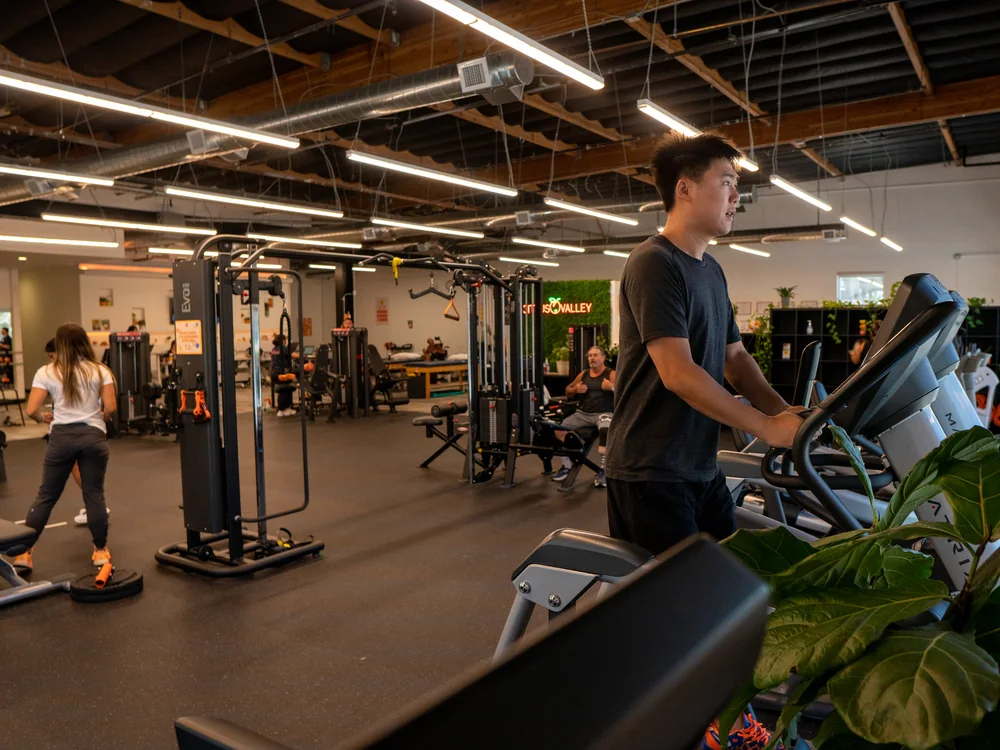
Pre & Post Surgery
Prehab before your date and a structured rebuild after it, run inside your surgeon's protocol.
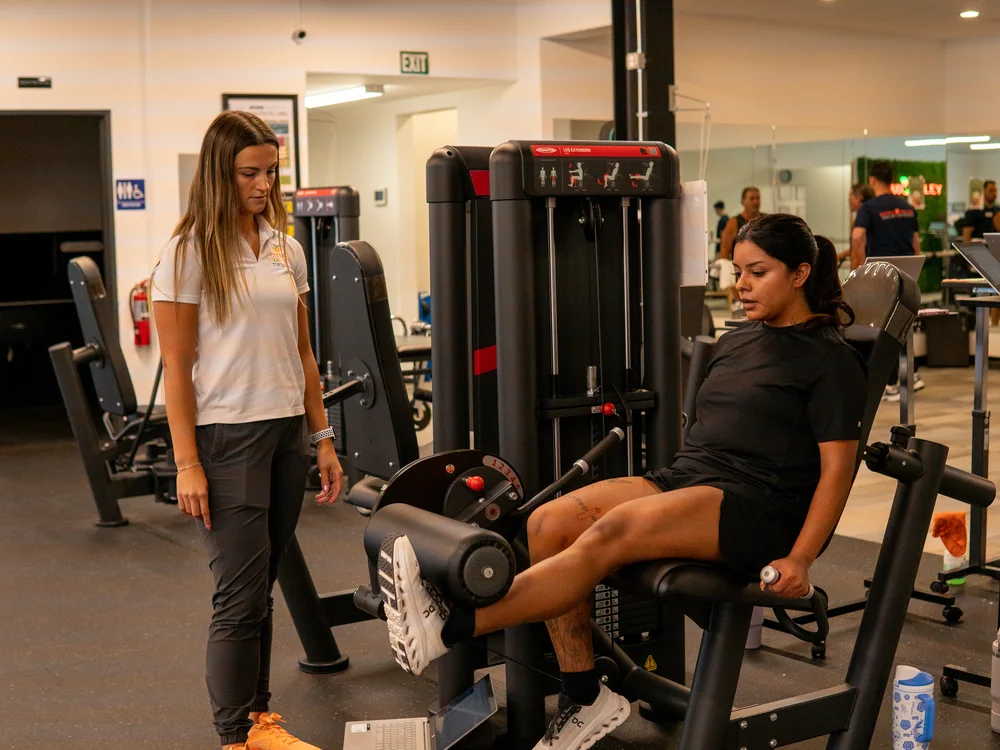
Manual Therapy
Skilled hands on joint and soft tissue work for the restrictions that will not stretch out on their own.
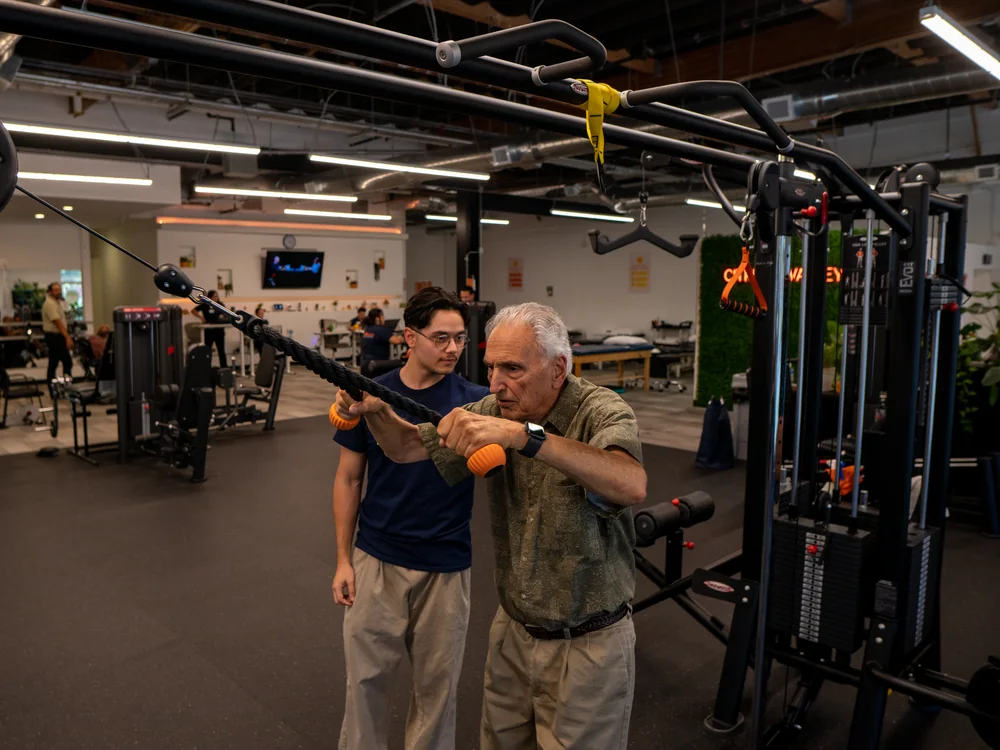
Shoulder Pain
Rotator cuff trouble, pinching overhead, stiffness that crept in. Where it hurts and what causes it rarely match.
Ready when you are.
All fields are required.