Pre and Post Surgical Rehab Treatment in Redlands
You have a date on the calendar and a folder of instructions, and nobody has said much about the weeks either side of it. Surgery repairs the structure. It does not hand back the strength you lost waiting, and it does not teach the joint how to move again. That part is rehab, and the best time to start it is before the operation.
What Causes a Slow Surgical Recovery?
Two people can have the same knee replacement, the same surgeon and the same protocol, and end up in very different places a year later. The operation is rarely the variable. What separates them is the strength they brought in, how quickly swelling and stiffness were managed after, and whether anyone kept loading the joint once the pain settled. Every item below is something rehab can change, and most of them can be started before you ever get a surgery date.
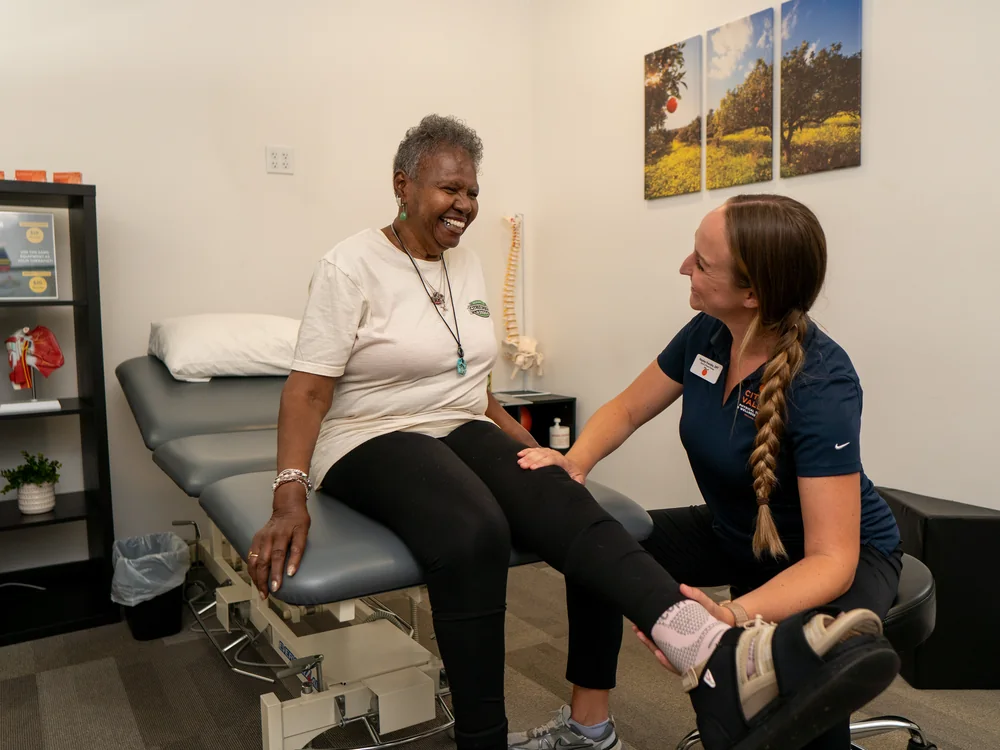
The months of pain and waiting before an operation are also months of doing less, and the muscle around the joint quietly gives up strength the whole time. You come out of surgery starting from wherever you went in. Prehab, the training done in the weeks before the date, is about protecting range of motion and strength so recovery begins from a higher floor.
Fluid inside a joint reflexively inhibits the muscles that cross it, which is why a swollen knee cannot fire its quad no matter how hard you concentrate. It is a neurological brake, not laziness or a lack of effort. Controlling swelling early with movement, compression, elevation and the right exercise selection is what releases that brake and lets strengthening actually work.
Healing tissue lays down collagen without much regard for how you want the joint to move, and the capsule around the joint tightens while you are guarding it. Range of motion lost in the first weeks is the hardest to get back later. Early, appropriately dosed motion within your surgeon's protocol, plus hands on work, keeps that window open.
A sling, a brace or crutches protect the repair, and they also unload everything around it. Muscle mass and control drop faster than most people expect during that period, and the effect is not confined to the operated limb. We train what is safe to train the entire time, which usually includes the other side, the trunk and general conditioning.
You limped for months before the operation because it hurt, and your nervous system learned that pattern well. Once the pain is gone the limp often stays, quietly overloading the other hip, knee or shoulder. Retraining gait and mechanics deliberately is what stops the next problem from showing up on the opposite side.
Being discharged from a surgeon's care means the repair has healed, which is not the same as your leg or shoulder being able to do what it did before. Most people stop here, at the point where daily activities feel fine and capacity is still well down. Finishing the job means loading the joint to the demand you actually place on it, then testing it side to side.
How Physical Therapy in Redlands Helps
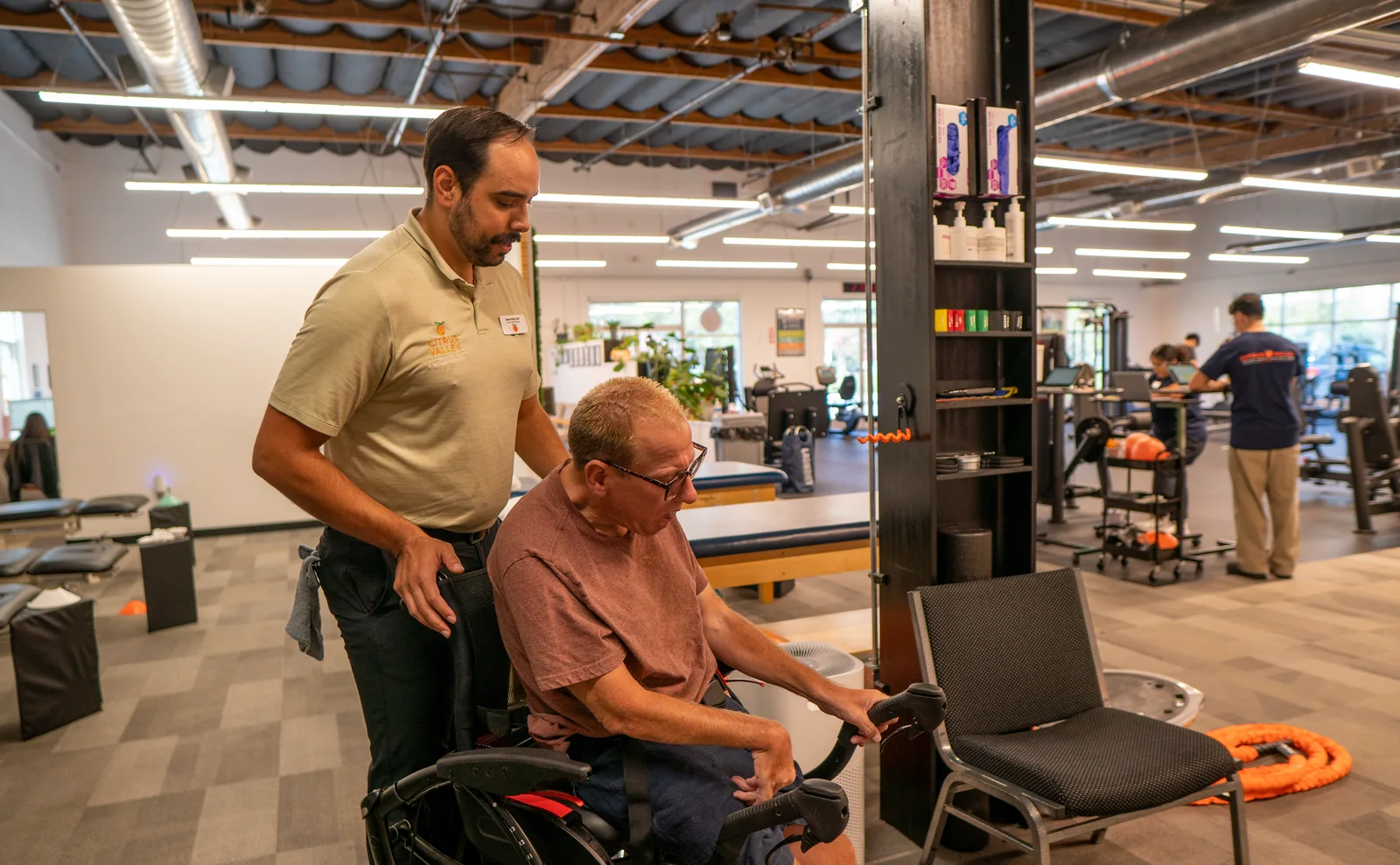
We work inside your surgeon's protocol, not around it. Before the operation, that means protecting the range of motion and strength you still have and getting you comfortable with the exercises and the crutches or brace ahead of time, so the first week after is familiar rather than frightening. After it, the work is swelling control, restoring motion on schedule, waking the inhibited muscle back up, then progressive loading until the operated side tests close to the other one. Sessions run 30 to 60 minutes, one on one, and most plans of care are 2 to 3 visits a week for 4 to 6 weeks. Your measurements get re-tested at every visit, so the decision to progress is based on data rather than on the calendar.
What to Expect
Before the operation
Your first visit is about an hour, one on one with a doctor of physical therapy. We baseline range of motion, strength and how you walk or reach, then build a short program aimed at holding on to as much of that as possible until the date. We also rehearse the practical things: crutches, stairs, getting in and out of bed, and the exercises you will be asked to do on day one.
The first weeks after
Early sessions are about swelling, motion and getting the muscle firing again, all within whatever your surgeon has cleared. Expect hands on work, careful range of motion, and simple exercises done often rather than hard exercises done rarely. This is the phase where consistency matters most, so you go home with a program and a clear sense of what is normal soreness and what is worth calling about.
Back to full capacity
Once motion and basic control return, we load the joint properly and keep loading it. Strength work progresses toward the demands of your actual life, whether that is stairs and grandchildren or a return to sport or heavy work. We re-test the operated side against the other one, and we do not call it finished because the pain stopped.
Doctor Nick is very knowledgeable and very thorough! He helped me work through a torn rotator cuff, and a hip that had lost alot of motion, and was very painful.
Related conditions we treat in Redlands.
Hip & Knee Pain
Replacements, scopes and repairs all land here. So do the hips and knees still deciding whether surgery is needed.
Shoulder Pain
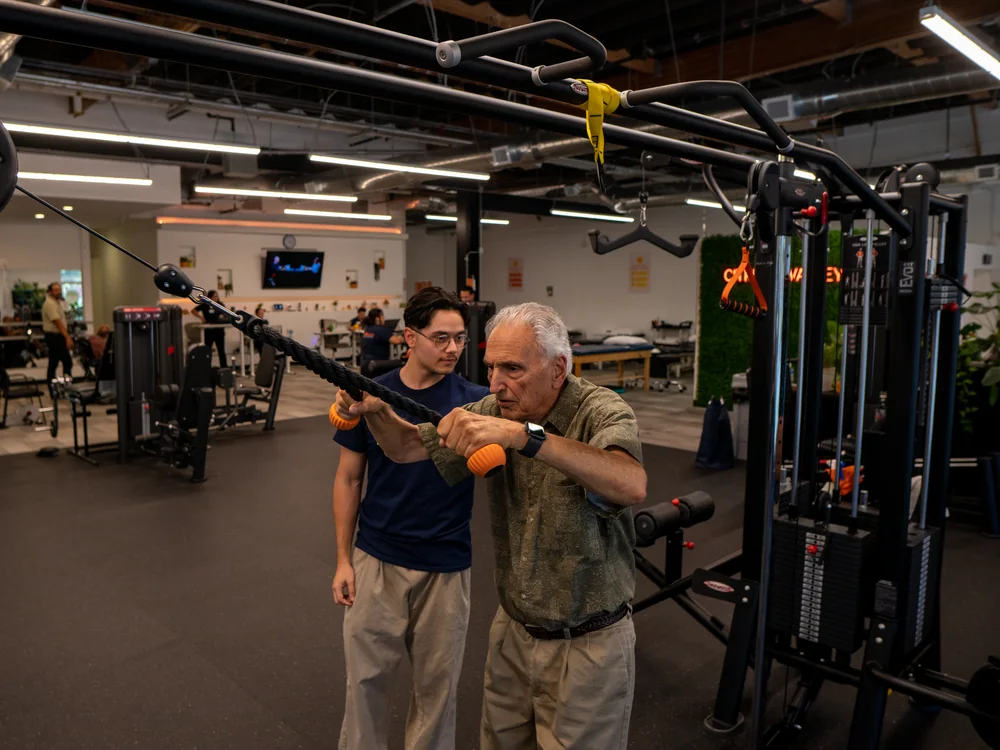
Rotator cuff repairs are slow by design. Knowing what to load and when is the difference between stiff and strong.
Joint Pain
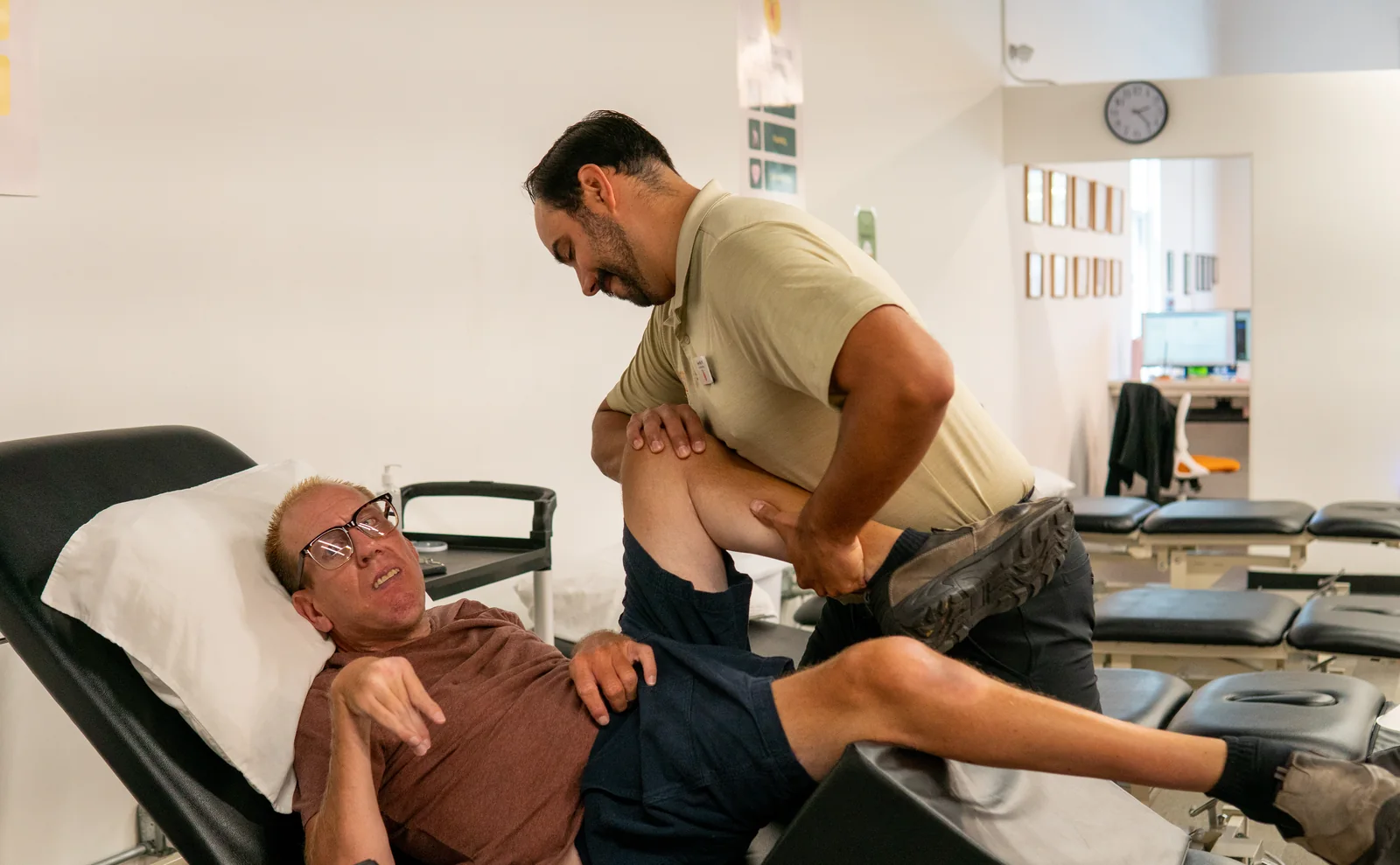
Plenty of joints sent toward the operating room respond first to strength, motion and a change in how they are loaded.
Ready when you are.
All fields are required.