Elbow, Wrist & Hand Pain Treatment in Redlands
You have started opening jars with the other hand. Lifting a coffee cup catches the elbow, the brace helps until you take it off, and resting it has only made the first ten minutes of the day worse. Hands and elbows rarely fail on their own. They fail under a load the shoulder, wrist or grip pattern has quietly handed them.
What causes elbow, wrist, and hand pain?
The elbow, wrist and hand are the end of a long chain that starts at the neck and shoulder. Almost everything that goes wrong down there is one of three things: a tendon asked to do more than it has capacity for, a nerve compressed somewhere along its path, or a joint working through a range it does not have. Which one it is changes the treatment completely, so the exam matters more here than in most regions.
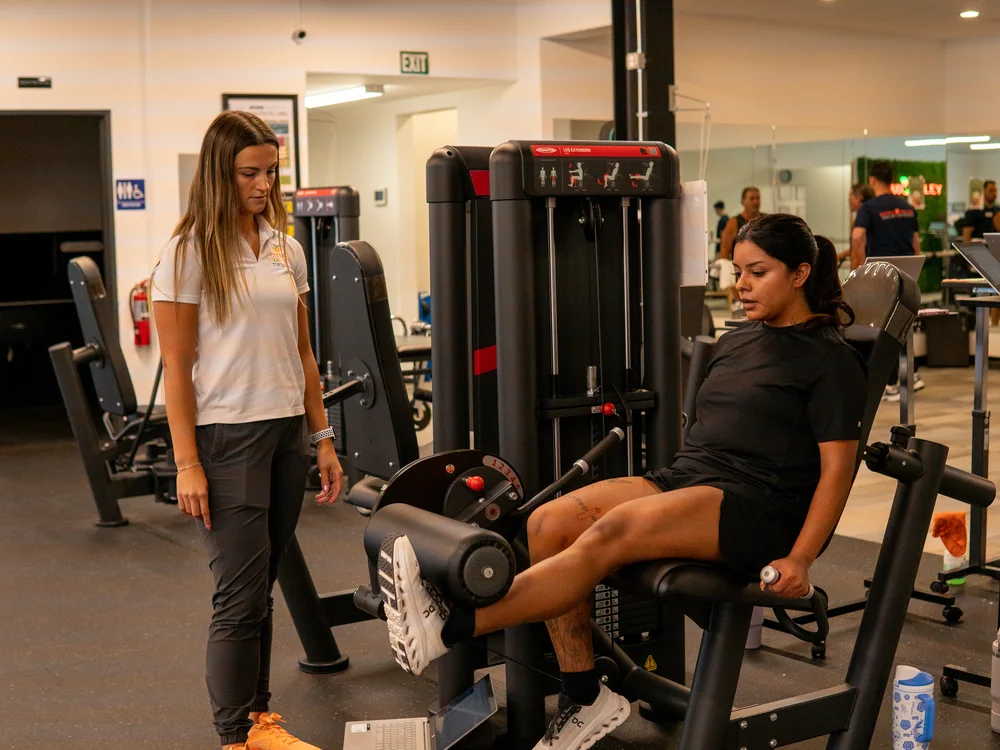
Tennis elbow comes from repetitive gripping, throwing, or reaching. The tendons on the outside of the elbow get inflamed from overuse. You do not need to play tennis. Carpenters, painters, and anyone doing repetitive arm work gets it. Treatment means resting the inflammation and retraining the motion pattern that caused it.
Golfer's elbow is inflammation on the inside of the elbow, usually from gripping or twisting. Like tennis elbow, it is an overuse injury that responds to specific therapy and activity modification. The key is learning to use your arm without overloading the inside of the elbow.
The median nerve passes through a tunnel in the wrist. When that tunnel gets tight from swelling, repetitive motion, or inflexibility, the nerve gets compressed. Symptoms are numbness, tingling, and weakness. Therapy focuses on reducing inflammation, improving wrist movement, and changing the activities that compress the nerve.
Arthritis in the wrist and hand causes pain, swelling, and stiffness. Joints that hurt get used less, which makes stiffness worse. Movement and strengthening keep these small joints healthy. Physical therapy teaches you how to use your wrist and hand without overloading painful joints.
The tendons that bend and straighten your fingers run through tight tunnels. Overuse, repetitive motion, or poor technique can inflame them. Treatment means controlling inflammation, improving flexibility, and retraining movement so tendons are not overloaded.
How you hold your wrist, arm, and shoulder at your desk or while working determines how much stress your wrist and hand experience. Poor mechanics multiply the load on small joints and tendons. Fixing posture and movement patterns is often the most important part of treatment.
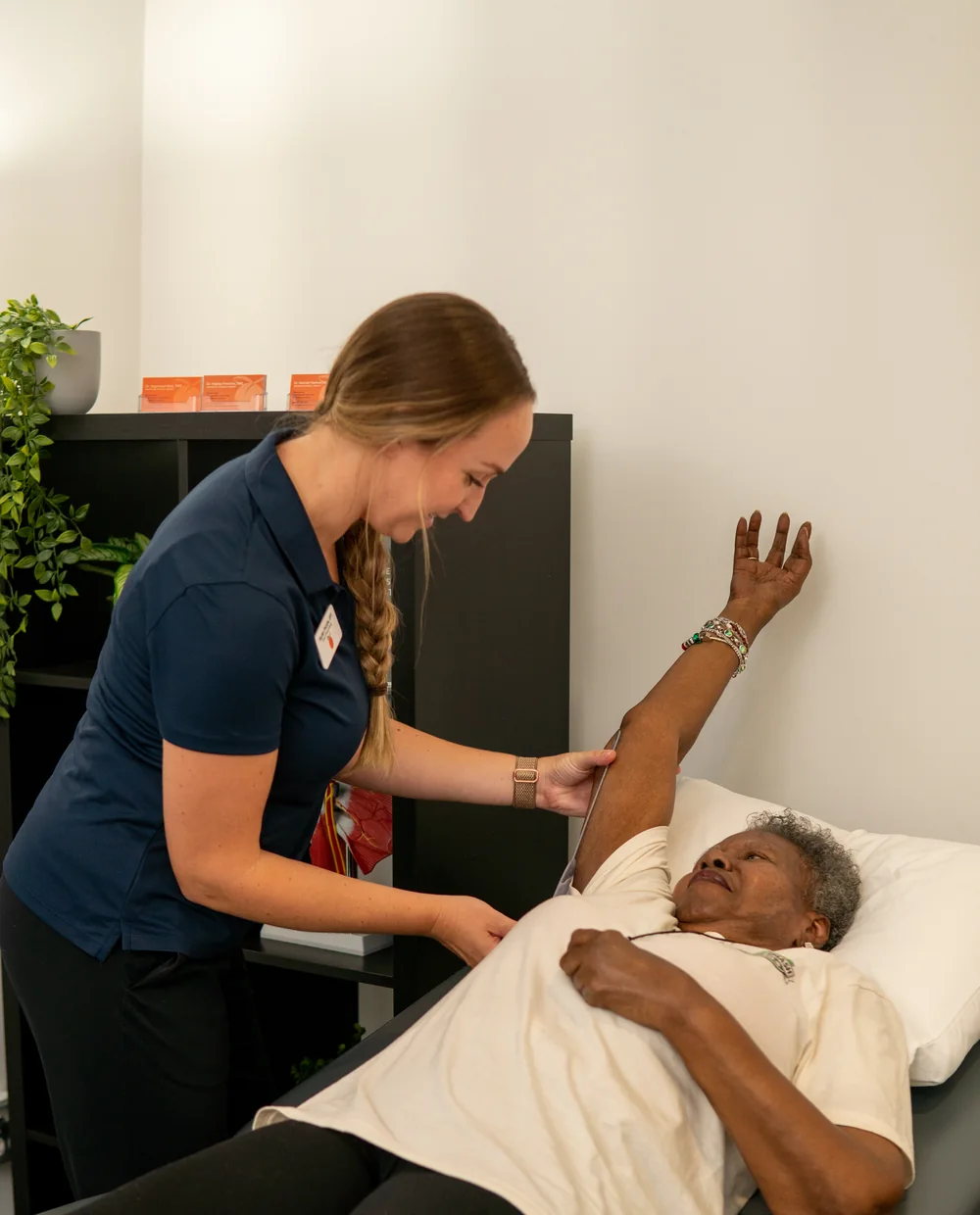
How physical therapy in Redlands helps.
Elbow, wrist and hand pain settles when both halves of the problem get treated: the angry tissue and the load that made it angry. Early sessions calm the symptom enough that you can be assessed and can move, using hands on work, soft tissue treatment and gentle range work. After that the emphasis shifts to capacity, because a tendon that hurts under load does not need protecting forever, it needs to be built back up in a controlled, progressive way. Alongside that we look upstream at the shoulder, the neck and how you grip, since those are usually where the extra load is coming from. If your desk, your tools or your sport are part of the picture, we change how you do them rather than telling you to stop.
Sessions run 30 to 60 minutes and are one on one. The first visit is about an hour with a doctor of physical therapy who tests grip, range, nerve tension and the specific movements that reproduce your pain, so the diagnosis is based on the exam rather than on where it hurts. Most plans run 2 to 3 visits a week for 4 to 6 weeks, and many patients notice a change in the first week or two. In California you can start physical therapy without a physician referral for up to 45 days or 12 visits, whichever comes first. Some insurance plans still require one, so call or text and we will verify your benefits before your first visit.
What to expect from your recovery.
Working out which tissue is involved
The first visit sorts tendon from nerve from joint. We test grip strength against the other side, check wrist and elbow range, run nerve tension and sensation tests where numbness is in the picture, and watch the movements at work or in sport that reproduce it. Early treatment then calms things down: hands on work, soft tissue treatment and gentle range work, plus honest advice on which activities to keep and which to modify for a couple of weeks.
Loading the tendon back to capacity
This is the part most home programmes skip. Irritated tendons respond to graded load, so we add resistance deliberately and progressively, working the forearm, the grip and the shoulder that feeds them. Expect to be given a small number of exercises with specific loads and repetitions rather than a photocopied sheet. Some mild discomfort during loading is normal and expected, and your therapist will tell you exactly where the line is between useful and too much.
Back to the thing you actually stopped doing
The last phase is built around your specific demand: a full day on the keyboard, a shift with a nail gun, a racquet, a barbell, a guitar. We rebuild toward that load, then change the details that caused the overload in the first place, whether that is desk setup, tool grip, technique or how much you do before a break. You finish with a short maintenance routine and a clear sense of what an early warning sign looks like next time.
Brent Wild is Amazing! He is compassionate and very knowledgeable. He explains everything in great detail and takes his time with you. I felt so much better after my treatment!
Pain rarely travels alone.
Shoulder Pain
Shoulder dysfunction often contributes to elbow, wrist, and hand pain. We treat the whole chain.
Carpal Tunnel Syndrome
Night numbness and a weakening grip point at the nerve rather than the tendon. Different problem, different plan.
Work Injuries
Repetitive tasks and tool work load the forearm all day. We rehab it and change what caused it.
Ready when you are.
All fields are required.