Work Injuries Treatment in Redlands
You got hurt doing the thing you get paid to do, and now every shift is a negotiation with your back. Working through it is not the same as healing it. The demands that caused the injury are still waiting for you when you go back, which is exactly what a plan has to account for.
What causes work injuries?
Nobody wants to be the person who got hurt at work. So you shorten your lifts, let the other side do more, and tell yourself it will settle on its own. Here is the part that gets missed. A work injury is not simply a body part that failed. It is a mismatch between what the job demanded and what your body could produce, and unlike a sports injury you cannot sit out the season. So the plan cannot end when the pain does. It ends when your capacity is above the demand again.
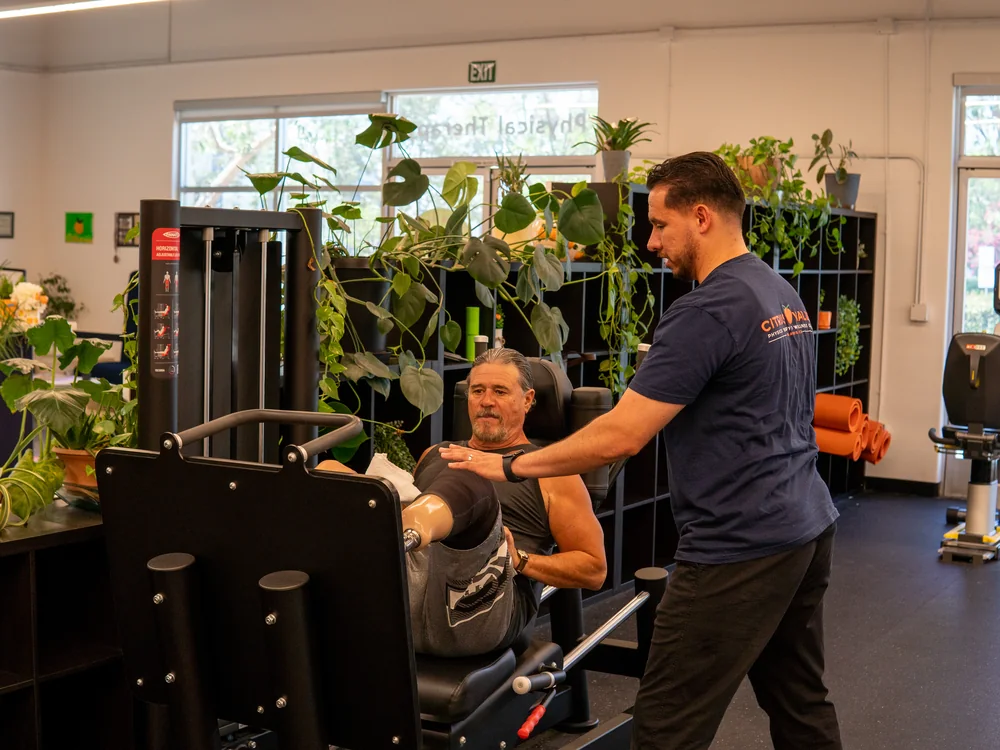
The lift people remember is rarely the heaviest one that week. It is the awkward one: reaching over something, twisting to set a box down, catching a load that shifted. In those positions the spine and hips must produce force where they have very little strength. Rebuilding tolerance for those exact positions matters more than being told to lift with your legs.
Some injuries have no incident at all. Thousands of identical movements per shift, a scanner, a keyboard, a trigger tool, load the same tendon in the same direction with no recovery. Elbow and wrist pain, forearm tightness and hand numbness build over weeks and get blamed on the last day rather than the pattern. Treatment also has to change something about the exposure.
Sitting is not dangerous, but eight hours in one fixed position is a load like any other. A monitor set too low, a truck cab you cannot adjust, or a phone held against one shoulder all park a joint at end range for hours. The pain is worst at the end of a shift and better on days off, which is the clue that position is the driver.
Working above shoulder height demands that the shoulder blade rotate fully and the rotator cuff hold the joint centred while your hands work. Electricians, painters and warehouse pickers do this all day. When the shoulder blade tires and stops rotating, the space the tendons pass through narrows and every reach pinches. The fix is endurance, not just strength for one lift.
A wet floor, a missed step off a dock or a fall onto an outstretched hand gives a clear moment of injury and often real tissue damage. What complicates recovery is what follows: weeks of guarding and avoiding the movement that hurt. By the time you are seen, the injury may be healed while the protective pattern has not budged.
Pain settling is not the same as being ready for a ten hour shift. Return to full duty on the strength of feeling better and the first busy week reproduces the exact load that caused the problem. Your therapist re-tests measurements every visit so the return decision is based on what you can produce, not on how the last quiet day felt.
How physical therapy in Redlands helps.
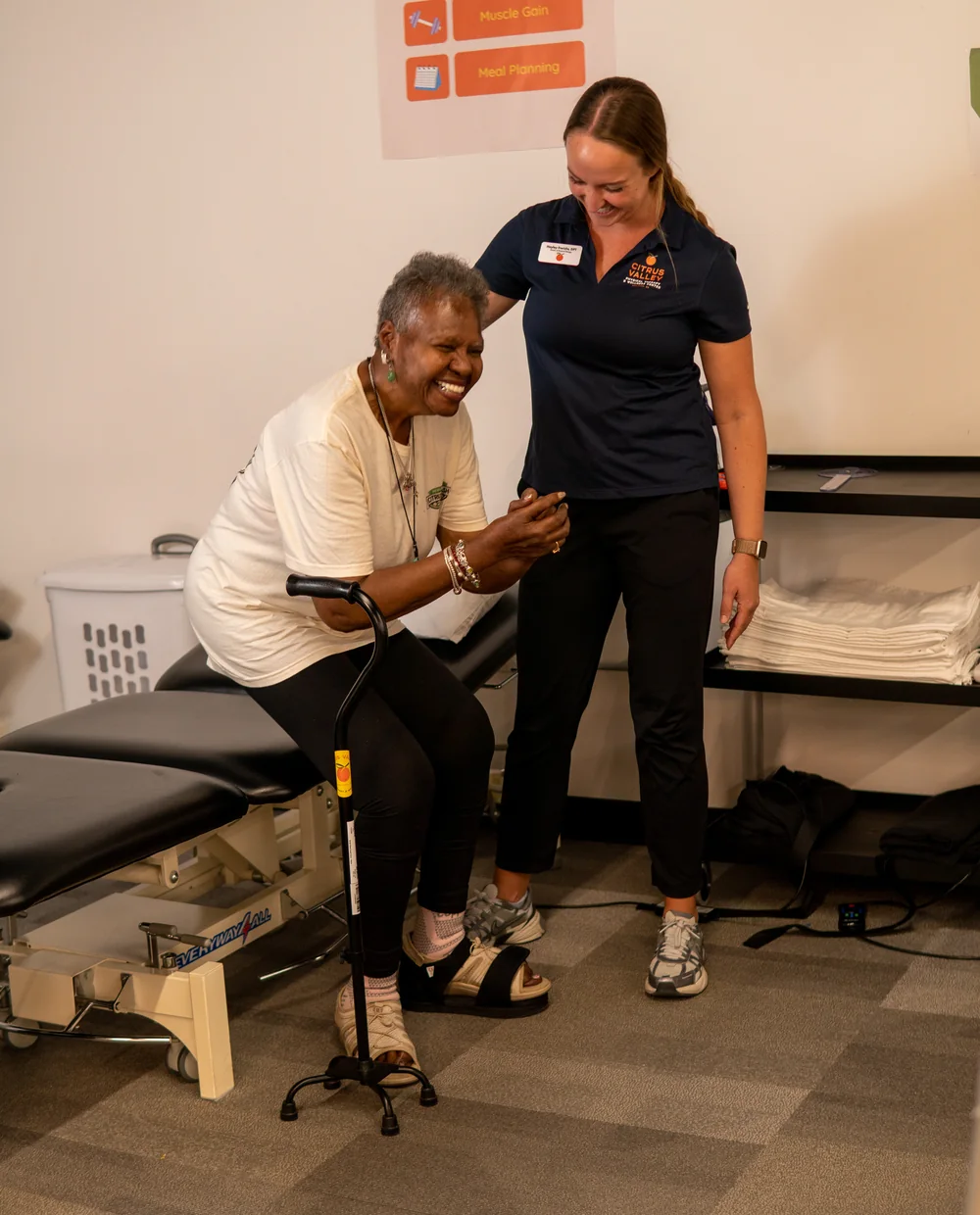
An injured worker gets treated like an athlete here, because the situation is the same: a body that has to meet a known demand on a schedule someone else sets. Care runs in four phases. Pain settles the irritated tissue with hands on work and load you can tolerate. Prime restores the motion and control the injury took: hip and mid back motion for backs, shoulder blade control for overhead work, forearm mobility for repetitive hand jobs. Perform decides whether this holds, loading you toward the real demands of your job. Prevent covers the setup and habit changes that lower daily exposure. Sessions run 30 to 60 minutes, one on one, and most plans run 2 to 3 visits a week for 4 to 6 weeks.
What to expect, from first visit to full duty.
An evaluation that takes your job description seriously
Your first visit runs about an hour, one on one with a doctor of physical therapy. Alongside the usual history and exam, we go through the job in detail: what you lift and how often, what heights you work at, how long you stand or sit, and whether light duty is available. Then we measure motion, strength side to side, how you load a hinge and a squat, and how the shoulder behaves overhead. Those numbers become the target you have to clear.
Settle it down, then rebuild the capacity
Early visits are weighted toward relief: hands on treatment, movement you can tolerate, and advice on which parts of your shift to modify so you stop feeding the problem for eight hours at a stretch. As symptoms calm, the balance flips toward loading, because rehab that stops at feeling better is what sends people back into the same injury. Many patients notice a change in the first week or two, but the return decision waits for the numbers.
Return to duty, and coverage answered honestly
The final phase rehearses your shift. We progress lifting toward the weights and heights you actually handle, build overhead and gripping endurance, and test you under fatigue, because that is where mechanics break down on a real day. We are contracted with most major plans in the area, Medicare, TriCare and TriWest among them. Coverage for an injury that happened at work depends on how the claim is being handled, so call or text the front desk before you book and we will verify your benefits first.
I walk in for treatment, everyone I see has a smile. The treatment is very organized, it's obvious that they care about my recovery. I'm happy Kaiser sent me here for therapy.
The injury your job caused rarely stays local.
Back Pain & Sciatica
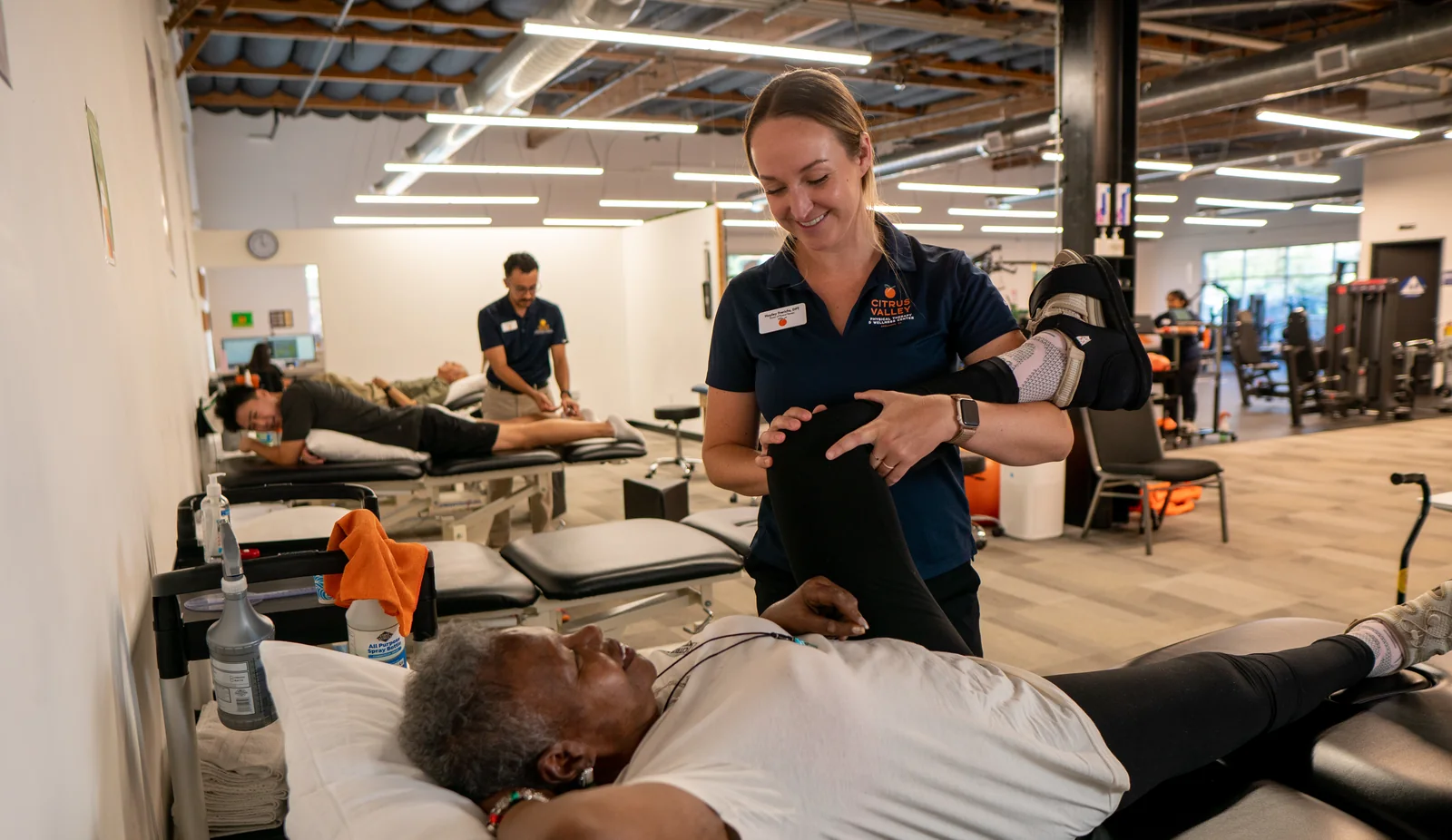
The most common on the job injury there is, and the one most often sent back to duty too early.
Elbow, Wrist & Hand Pain
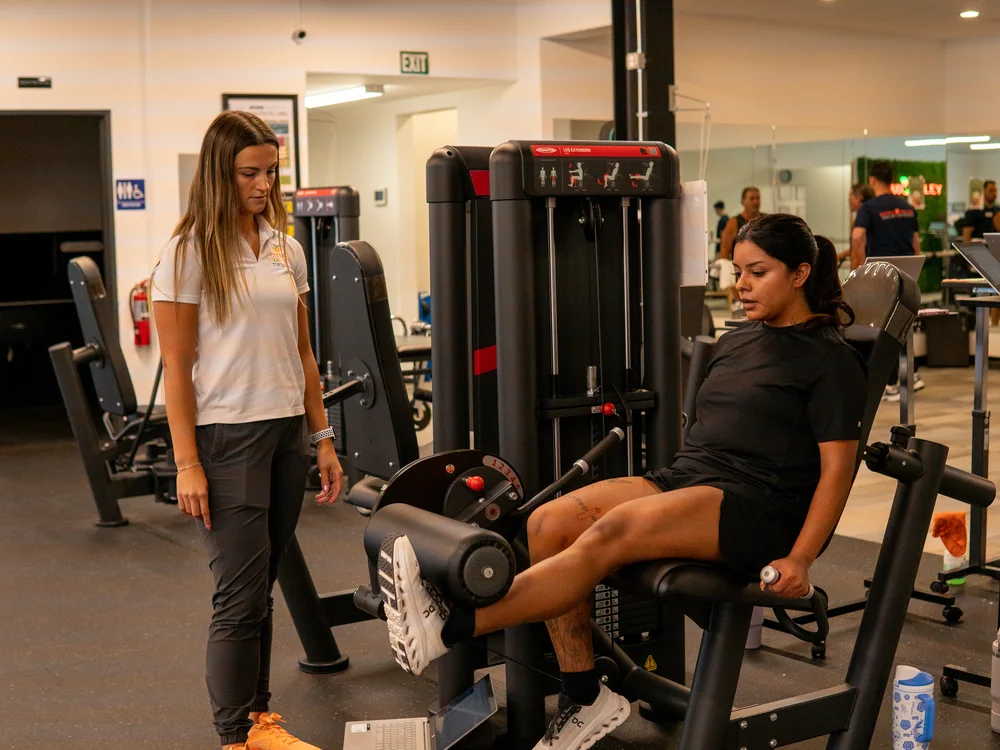
Where repetitive tool, keyboard and line work shows up first, usually with no single incident.
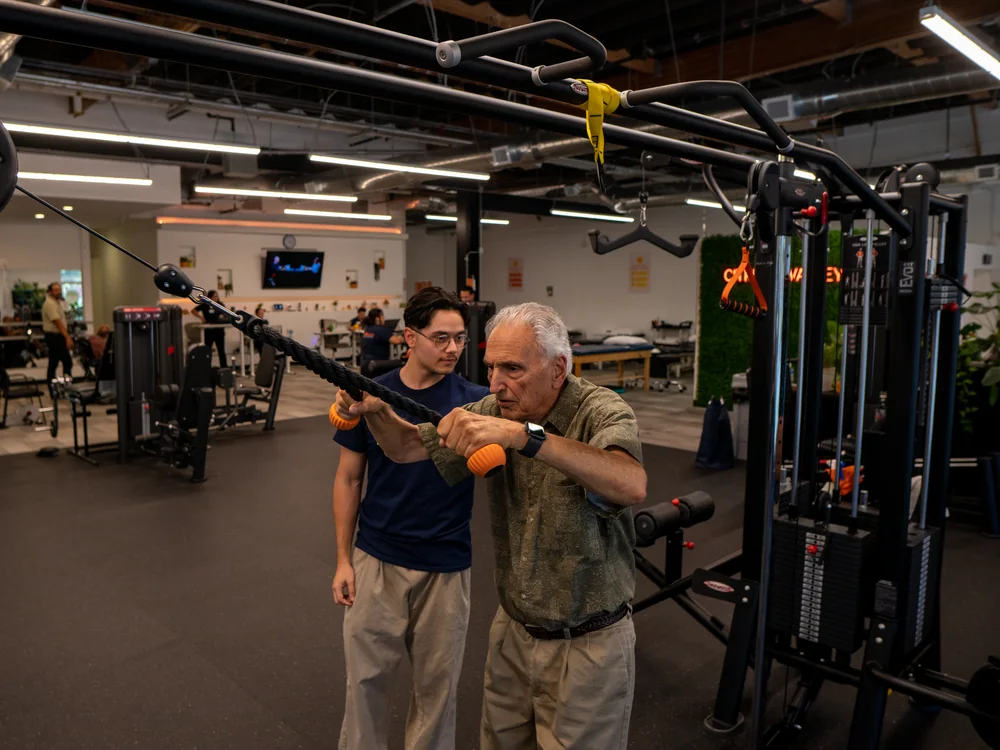
Shoulder Pain
Overhead trades need shoulder blade endurance, not just strength for one heavy lift.
Ready when you are.
All fields are required.