Bladder and Bowel Dysfunction Treatment in Redlands
You know where every bathroom on the route is. You stopped drinking water after four o'clock and you sat out the trampoline. This is common, which is not the same as something you have to live with. It is a muscle problem, and muscles can be retrained.
What causes bladder and bowel dysfunction?
Nobody raises this at dinner, so most people assume they are the only one managing it. They are not. The pelvic floor is a hammock of muscle slung between the pubic bone and the tailbone, and it has to do two opposite jobs on cue: hold firm when you cough, laugh, or lift, and release completely when you sit down to empty. Symptoms turn up when the timing between those two jobs breaks. Sometimes the muscles are too weak. Just as often they are too tight to let go, which is why the exercises you found online may have made things worse.
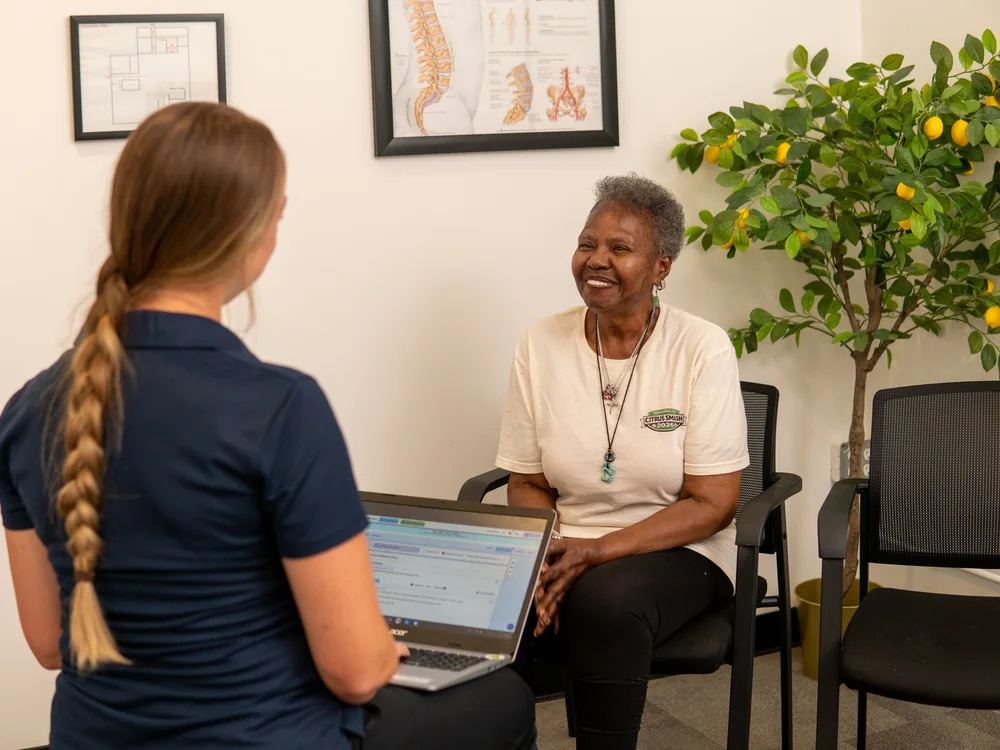
Leaking when you sneeze, jog, or pick up a toddler is a timing failure as much as a strength failure. The pelvic floor is supposed to brace a split second before pressure arrives from above, and when it fires late or not at all, a little urine escapes. This is the pattern most people mean by stress incontinence, and it responds well to training that teaches the muscle to switch on at the right moment rather than just squeeze harder.
An overactive pelvic floor never fully lets go, and a muscle held short all day is both weak and irritable. That shows up as urgency, a stop and start stream, a feeling that you never quite finished, straining with bowel movements, or pain. Kegels usually make this version worse. The work here starts with down training, breathing, and manual techniques that teach the muscle to lengthen before anything gets strengthened.
Carrying a pregnancy loads the pelvic floor for months, and a vaginal delivery stretches it considerably. Tissue heals, but coordination and strength do not come back on their own just because the six week check went fine. Leaking, heaviness, or trouble controlling gas years after a delivery is a very common reason people finally come in, and it is treatable long after the postpartum window has closed.
After a prostatectomy, the pelvic floor has to take over sphincter control that used to be shared. Hysterectomy and other abdominal or pelvic surgeries change how pressure travels through the region and leave scar tissue that alters how the muscles glide. Training before surgery and structured retraining afterward is standard practice, and starting sooner generally means less to unpick later.
Bladders learn. Going just in case, over and over, teaches the bladder to signal at smaller and smaller volumes until the urge feels like an emergency at half a cup. Caffeine, carbonation, artificial sweeteners, and alcohol turn the volume up further. Bladder retraining, done alongside pelvic floor work, is how you stretch the interval back out and get the urge to stop running your afternoon.
The bowel and the bladder share the same floor. Chronic straining pushes down on the same tissues repeatedly, and a full rectum crowds the bladder and drives urgency. On top of that, how you breathe and brace during lifting decides where pressure goes: down into the pelvic floor, or shared across the trunk. Teaching the diaphragm, abdominals, and pelvic floor to work as one unit takes the load off the floor for good.
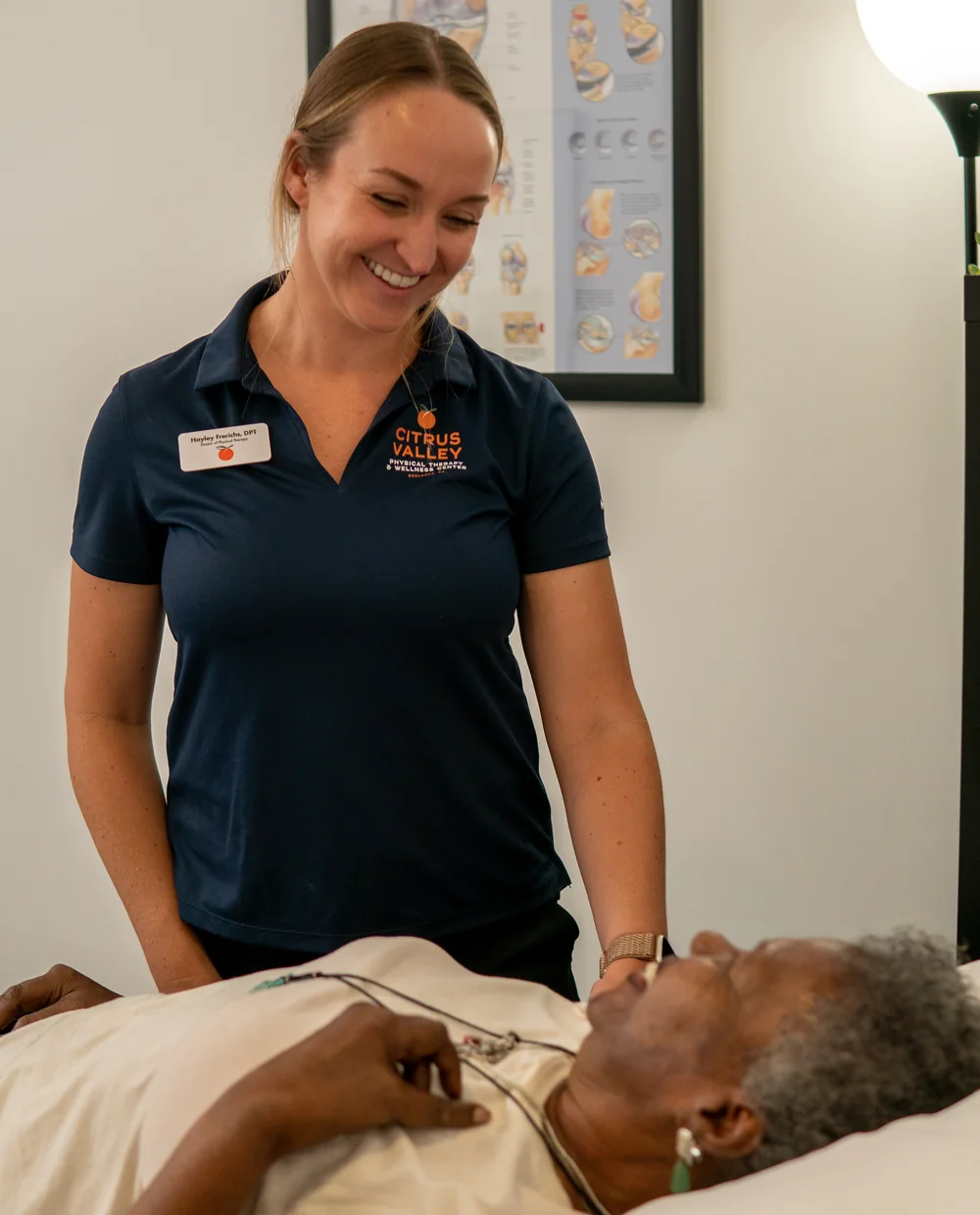
How physical therapy in Redlands helps.
Pelvic floor therapy is not a set of exercises handed to you on a page. It starts with an assessment by a pelvic floor certified doctor of physical therapy, because the whole plan depends on whether your floor is underactive, overactive, or simply mistimed, and you cannot tell which from symptoms alone. From there the work is specific: coordination training so the muscle braces before pressure arrives and releases fully when you sit down, breathing and pressure strategy so lifting and coughing stop going straight to the floor, hands on treatment for tissue that has tightened or scarred, and bladder or bowel habit retraining to undo the patterns that built up while you were coping. Everything happens one on one, at a pace you set, and nothing gets done without your say so.
What to expect from your recovery.
A private conversation, then an exam
The first visit runs about an hour, one on one with a doctor of physical therapy. Most of the early part is talking: what happens, when, how often, what you have already tried. Then we assess breathing, trunk strength, hips, and pelvic floor function, explaining each step before it happens and going only as far as you are comfortable going. In California you can start without a physician referral for up to 45 days or 12 visits, and we verify your benefits before your first visit.
Retrain the timing before the strength
Sessions run 30 to 60 minutes, typically 2 to 3 times a week for 4 to 6 weeks. Early on we work on release and coordination rather than piling on effort, since squeezing a muscle that never lets go is what keeps many people stuck. Alongside that comes a short home program and, where it applies, a bladder or bowel plan. Many patients notice a change in the first week or two.
Load it, then take it back to real life
Once the timing is reliable, we add load: lifting, carrying, jumping, running, whatever your day and your workouts actually ask of you. This is the step that keeps the result, because a pelvic floor that behaves on a treatment table but not under a barbell has not finished the job. You leave with a maintenance program and a clear plan for what to do if symptoms creep back.
I have been very pleased with Citrus Valley Physical Therapy, Haley is very professional, knowledgeable and great to work with! Thank you.
Pain rarely travels alone.
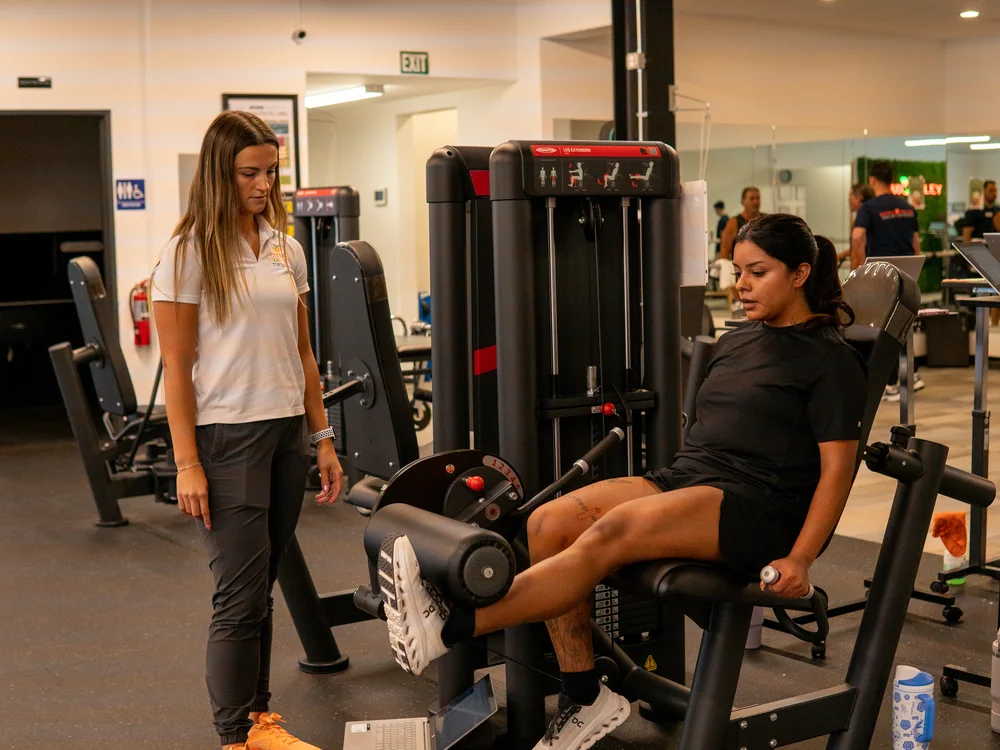
Pelvic Pain
Pain with sitting, intimacy, or exercise often shares a cause with bladder symptoms.
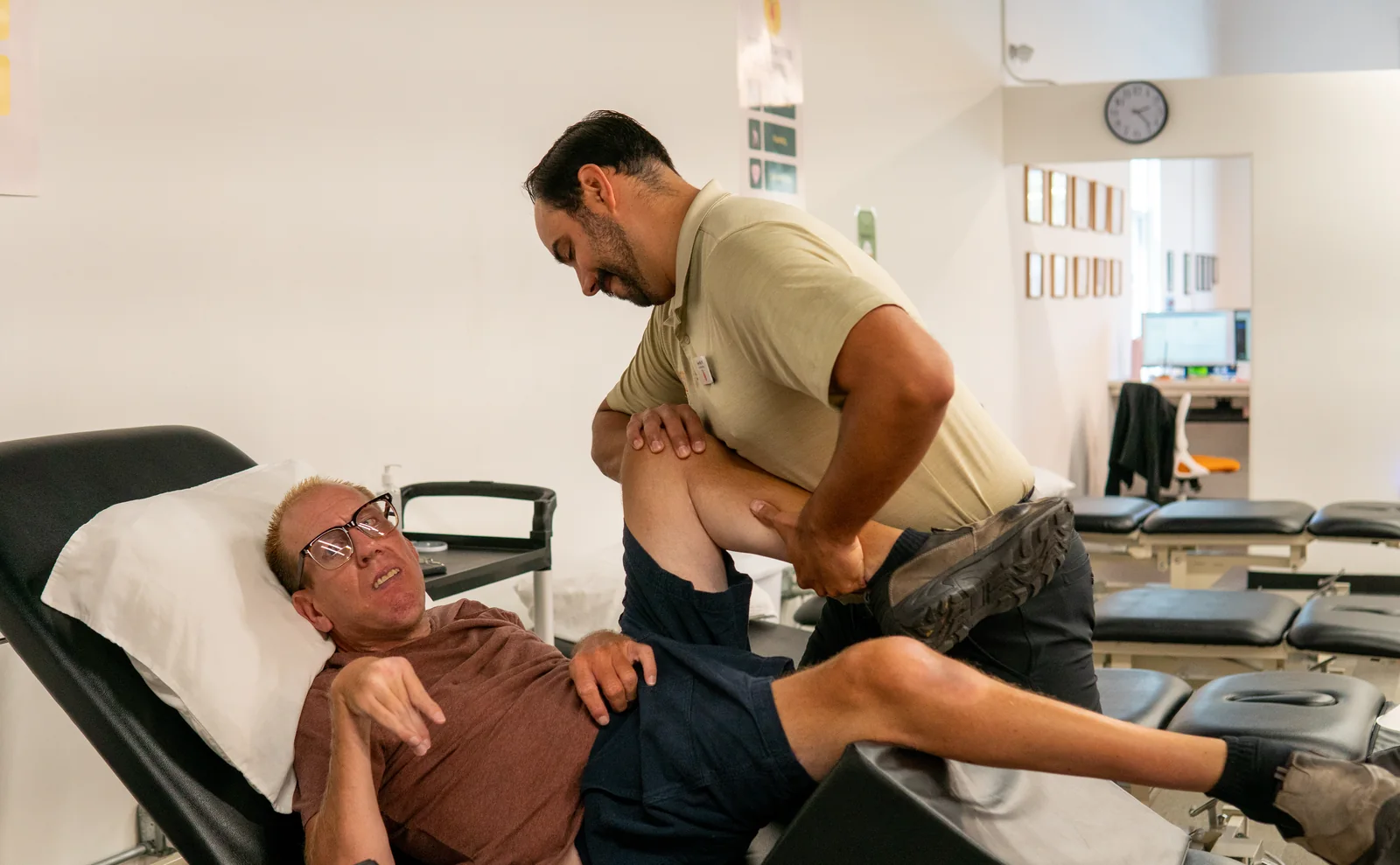
Constipation & IBS
Straining and incomplete emptying load the same floor. We treat both ends of the problem.
Pre/Post Partum
Care through pregnancy and a real return to lifting, running, and life after delivery.
Ready when you are.
All fields are required.