Constipation and IBS Treatment in Redlands
You know where every bathroom on your commute is. You have tried the fiber, the water, the powders and the elimination diets, and some of it helped a little. Digestion is not only about what goes in: the muscles that let stool out have to coordinate, and that part is trainable.
What causes constipation and IBS?
Constipation and irritable bowel syndrome are usually driven by more than diet. The pelvic floor, the abdominal wall, the diaphragm and the nerves that connect the gut to the brain all have a say in how food moves and how it feels while it moves. When one of those is misfiring, no amount of fiber fixes it on its own. Physical therapy works on the mechanical and neuromuscular side of the problem, alongside your physician and, when it helps, our registered dietitian.
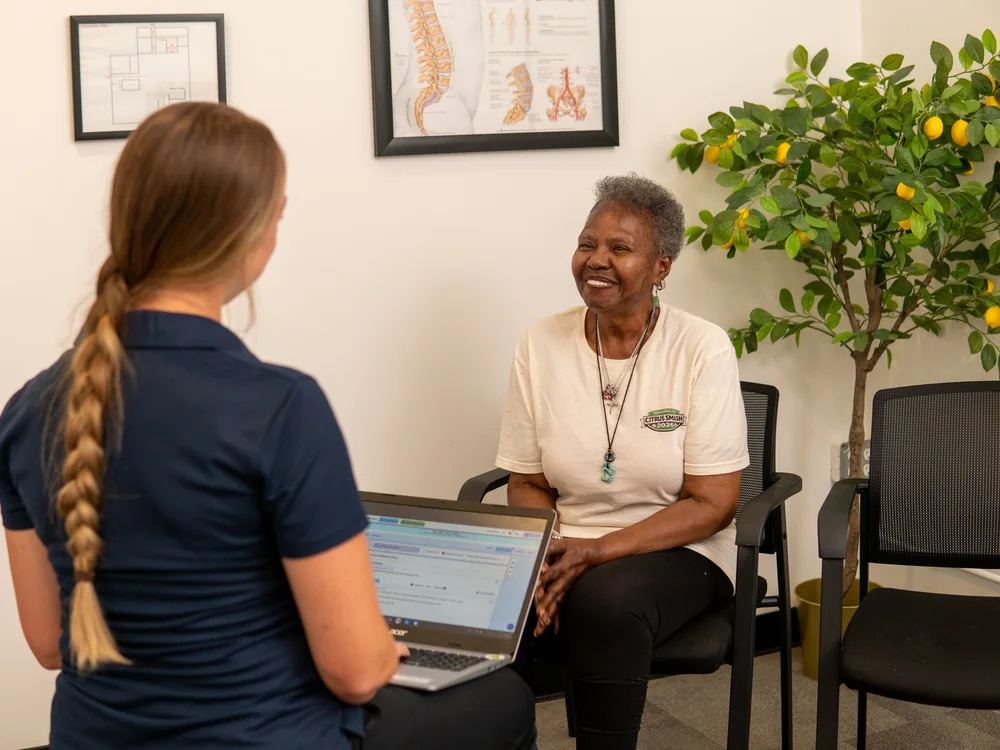
Emptying requires the pelvic floor to relax and lengthen at the exact moment the abdomen pushes down. In dyssynergia the two do the opposite: the harder you bear down, the tighter the outlet gets. That is why long straining can still leave you feeling unfinished. It is a coordination fault rather than a strength fault, which is why it responds to retraining.
The intestines are meant to glide against each other and against the abdominal wall. After abdominal or pelvic surgery, a C section, or a long stretch of inflammation, scar tissue and fascial restriction can limit that glide. The gut slows where it cannot move freely, and the area often feels tight from the outside. Hands on work is aimed directly at restoring that mobility.
The gut has its own dense nerve supply, wired straight into the nervous system that also handles stress. In IBS that pathway becomes hypersensitive, so a normal volume of gas or a normal stretch of the bowel registers as pain. This is not imagined pain, it is a real signal turned up too loud. Calming that system down through breathing, graded activity and pressure management is part of the treatment.
The diaphragm and the pelvic floor move together like the two ends of a piston. Shallow chest breathing takes away the gentle rhythmic pressure that helps move contents along, and breath holding during lifting or straining sends pressure the wrong direction. Retraining the breath changes how pressure behaves in the abdomen all day, not just during exercises.
The colon responds to movement, to meals and to routine. Long sedentary stretches, disrupted schedules and repeatedly ignoring the urge all blunt those reflexes, and the longer stool sits the harder and drier it gets. Regular walking, a consistent morning routine and better toilet positioning restore much of that timing.
Fiber only works with enough fluid behind it, and adding more of it to an already backed up system can increase bloating and cramping. IBS also has individual food triggers that are worth identifying properly rather than by guesswork. Our registered dietitian works with patients on this so the nutrition side and the mechanical side are not pulling in opposite directions.
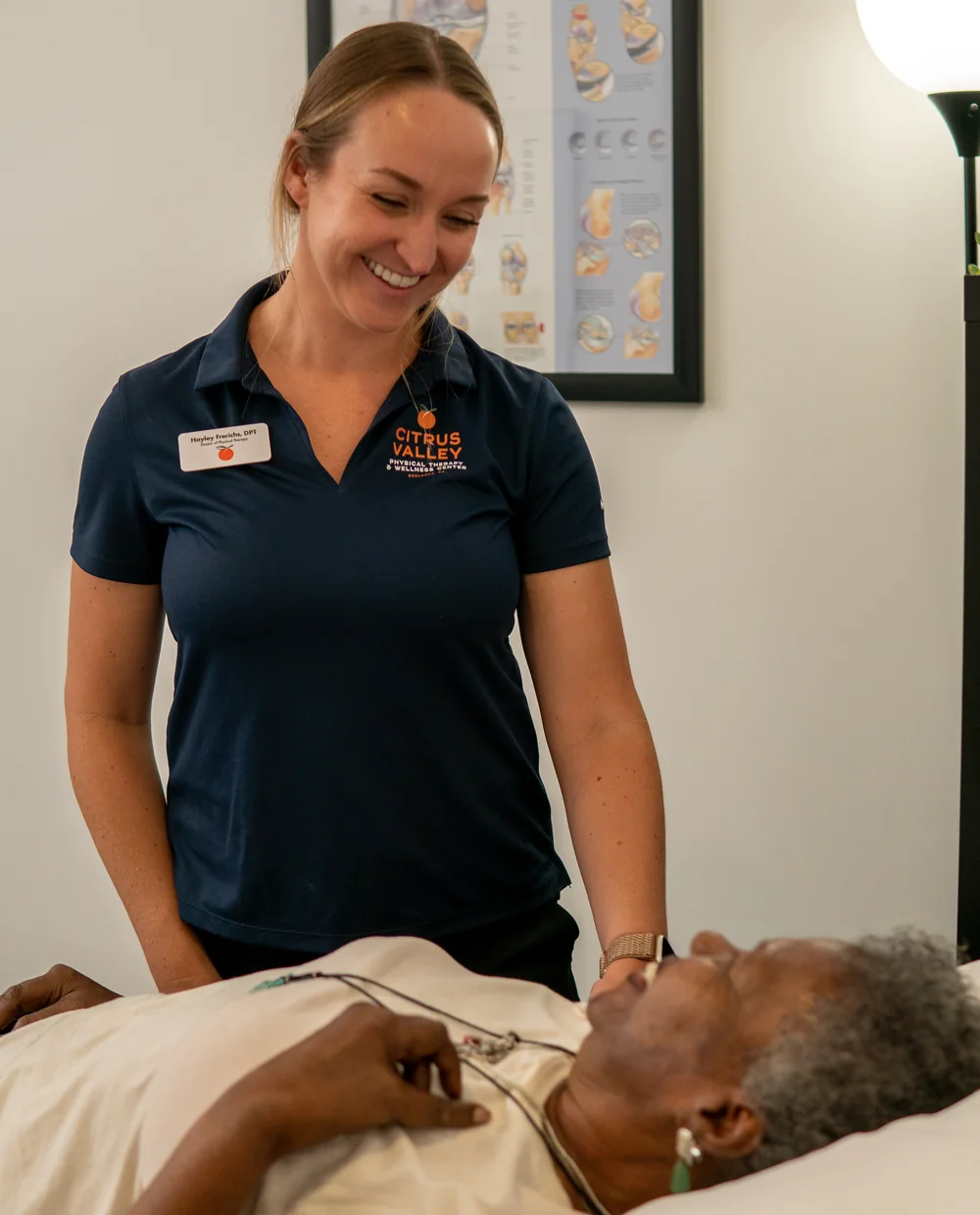
How physical therapy in Redlands helps.
Pelvic health physical therapy treats the part of digestion that is muscular and neurological. A pelvic floor trained doctor of physical therapy assesses how you breathe, how you generate pressure, how the abdominal wall moves and whether the pelvic floor actually releases when it is asked to. Treatment from there is practical: coordination retraining so bearing down and relaxing happen in the right order, hands on work for the abdomen and the tissue around old scars, breathing work to restore the rhythm that helps the gut move, and honest coaching on toileting position, timing and routine.
Sessions run 30 to 60 minutes and are one on one in a private room. Most plans of care run 2 to 3 visits a week for 4 to 6 weeks, and many patients notice a change in the first week or two. Your therapist re-tests as you go, so you can tell whether things are actually moving. In California you can begin physical therapy without a physician referral for up to 45 days or 12 visits, whichever comes first, though some insurance plans still require one for coverage. Call or text and we will check your plan first. If red flags turn up in your history, we will tell you plainly and send you back to your physician.
What to expect from a plan of care.
A first visit that starts with the history
The first visit is about an hour, one on one with a doctor of physical therapy, and most of the early part is conversation: bowel patterns, what you have already tried, surgical history, medications, food and fluid, and how symptoms track with stress and routine. The physical exam looks at the abdomen, the breath, posture and how you generate pressure. Any internal pelvic floor assessment is discussed first and only done with your consent.
Retraining coordination and pressure
The middle of the plan is where the mechanics change. You learn to relax the pelvic floor on demand instead of clenching, to time the push with the release, and to breathe in a way that helps rather than fights the gut. Hands on work addresses the abdominal wall, scar tissue and restricted tissue around the ribs and hips. Most of it is repeatable at home in a few minutes a day.
Routine, nutrition and staying ahead of it
The last phase turns the gains into habits: a consistent morning window, better toilet positioning, a walking routine the colon can rely on, and a fiber and fluid plan that matches your system rather than a generic recommendation. Where nutrition is doing a lot of the driving, our registered dietitian can work alongside your therapist. You finish knowing what to do when a flare turns up.
Citrus Valley Physical Therapy is the best place for therapy. Everyone there is great, help full, they know exactly what they are doing and everything is so clean and disinfected.
What we often treat alongside it.
Bladder & Bowel Dysfunction
Urgency, leaking and incomplete emptying run on the same muscles as constipation. Often treated together.
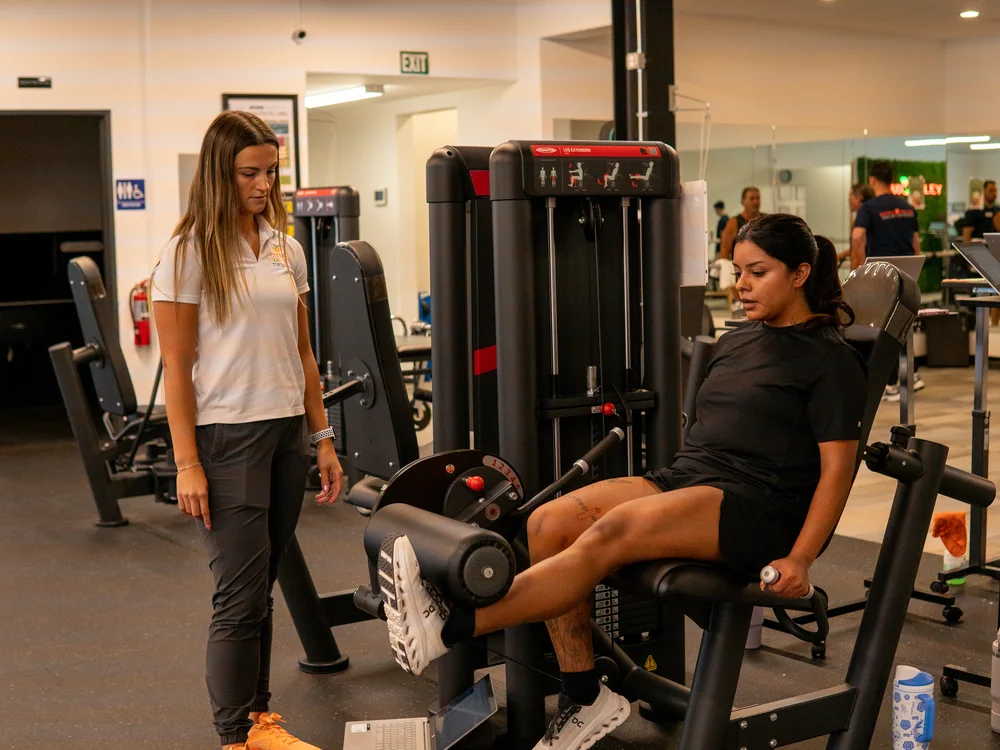
Pelvic Pain
A pelvic floor that will not release is a common driver of both pain and difficult emptying.
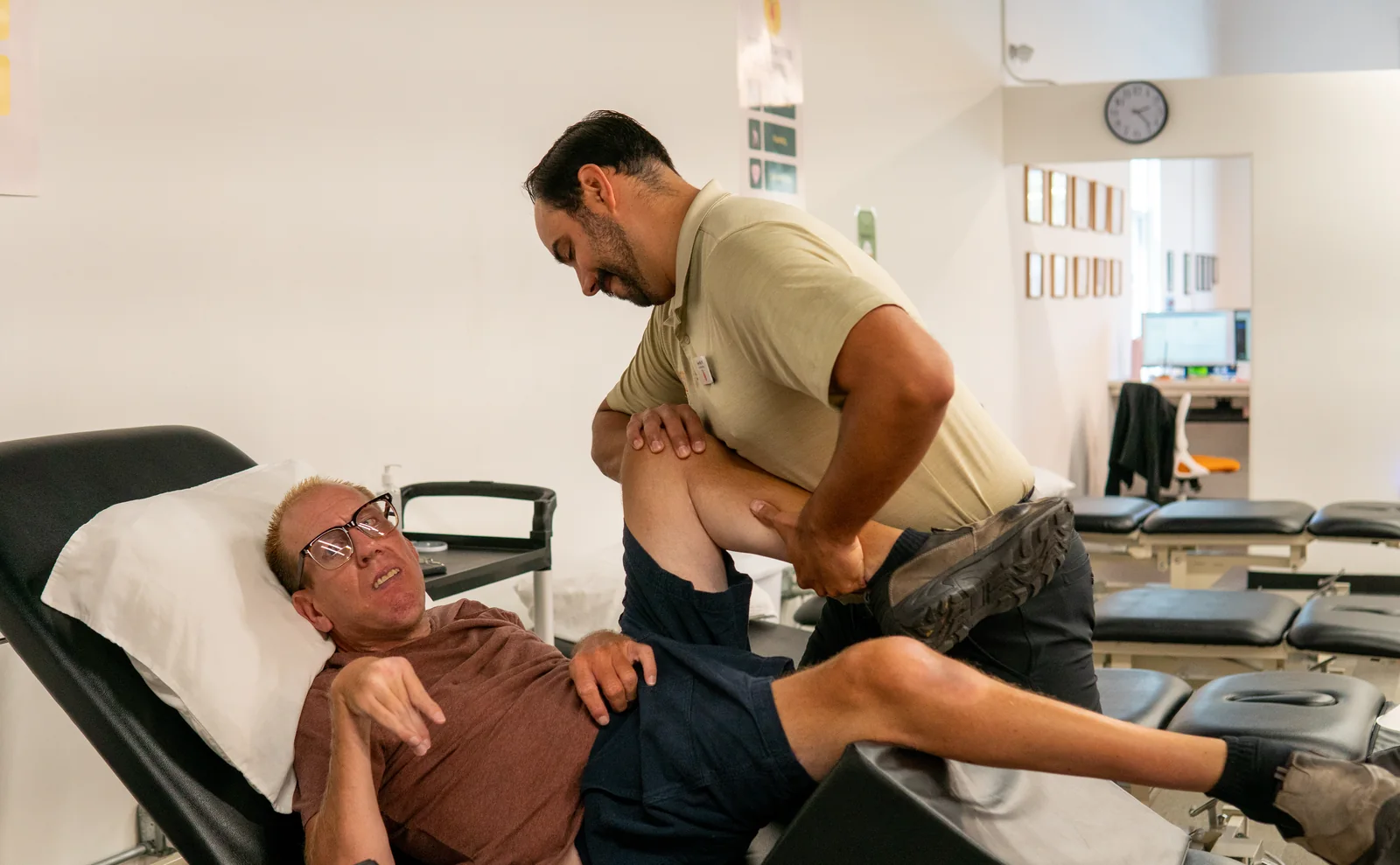
Pre/Post Partum
Pregnancy and delivery change pressure, tissue and timing. Constipation is one of the first signs.
Ready when you are.
All fields are required.