Cerebral Palsy Treatment in Redlands
Standing up takes a plan. Walking is possible, but by late afternoon the tight side has taken over and every step costs something. The brain injury behind cerebral palsy does not change, but tone, range, strength and the habits built around them do, and that is what therapy works on.
What causes the movement difficulty in cerebral palsy?
Cerebral palsy begins with an injury to the developing brain, before birth, during birth, or in early childhood. That injury is not progressive. What does change over the years is everything downstream of it: muscle tone, joint range, strength, endurance and the movement habits built from years of compensating. Those downstream changes are the part physical therapy can influence, at any age.
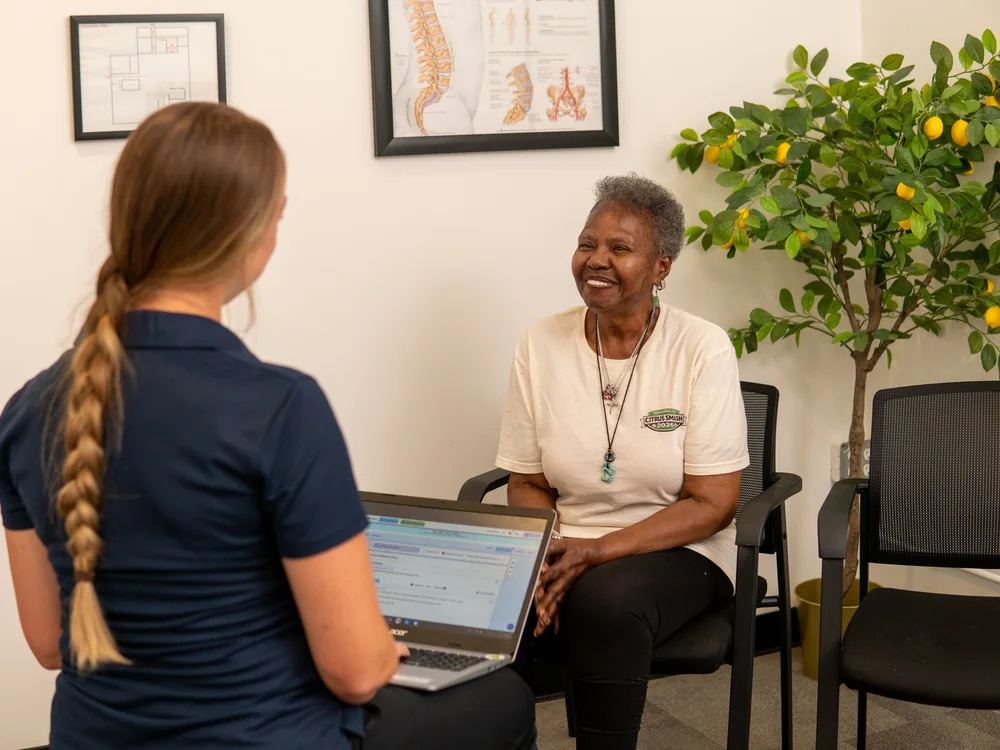
Cerebral palsy comes from damage to the areas of the brain that plan and coordinate movement. What that damage changes is the quality of the signal reaching the muscles, not the muscles themselves. This is why someone can have genuinely strong muscles that still will not fire in the right order at the right moment.
Spasticity is muscle tone that climbs the faster a limb is moved. Slow, deliberate movement can feel close to normal while a quick step or a sudden reach locks the limb up. In daily life speed itself becomes the trigger: rushing to catch a stumble is exactly when the body cooperates least. Graded stretching and controlled speed work widen the range in which movement stays usable.
Muscles held in a shortened position for years slowly lose length, and the joint follows them. Calf, hamstring and hip flexor shortening are the common ones, and they quietly change how a person stands and walks. Once a joint gives up range, the joints above and below it take on the difference, which is usually where new pain turns up.
Selective motor control is the ability to move one joint without the rest of the limb coming along for the ride. When it is limited, muscles that should be relaxing fire at the same time as the ones doing the work, and the two effectively cancel each other out. The effort is real even when the movement looks small, which is why fatigue arrives far sooner than the task seems to justify.
Not all of the weakness in cerebral palsy is neurological. Movement that costs more energy gets avoided, avoided muscles get weaker, and the weaker they become the more the tight ones dominate. This part responds well to strength training. Loading muscle in a controlled way does not make spasticity worse, and it is one of the more reliable ways to buy back function.
Staying upright depends on accurate feedback from the feet, inner ear and eyes, and on a body that can act on that feedback quickly. Altered tone and reduced ankle range blunt both halves of that system at once, leaving a narrow margin for error on curbs, gravel and stairs. That risk is worth training directly instead of managing it by being careful.
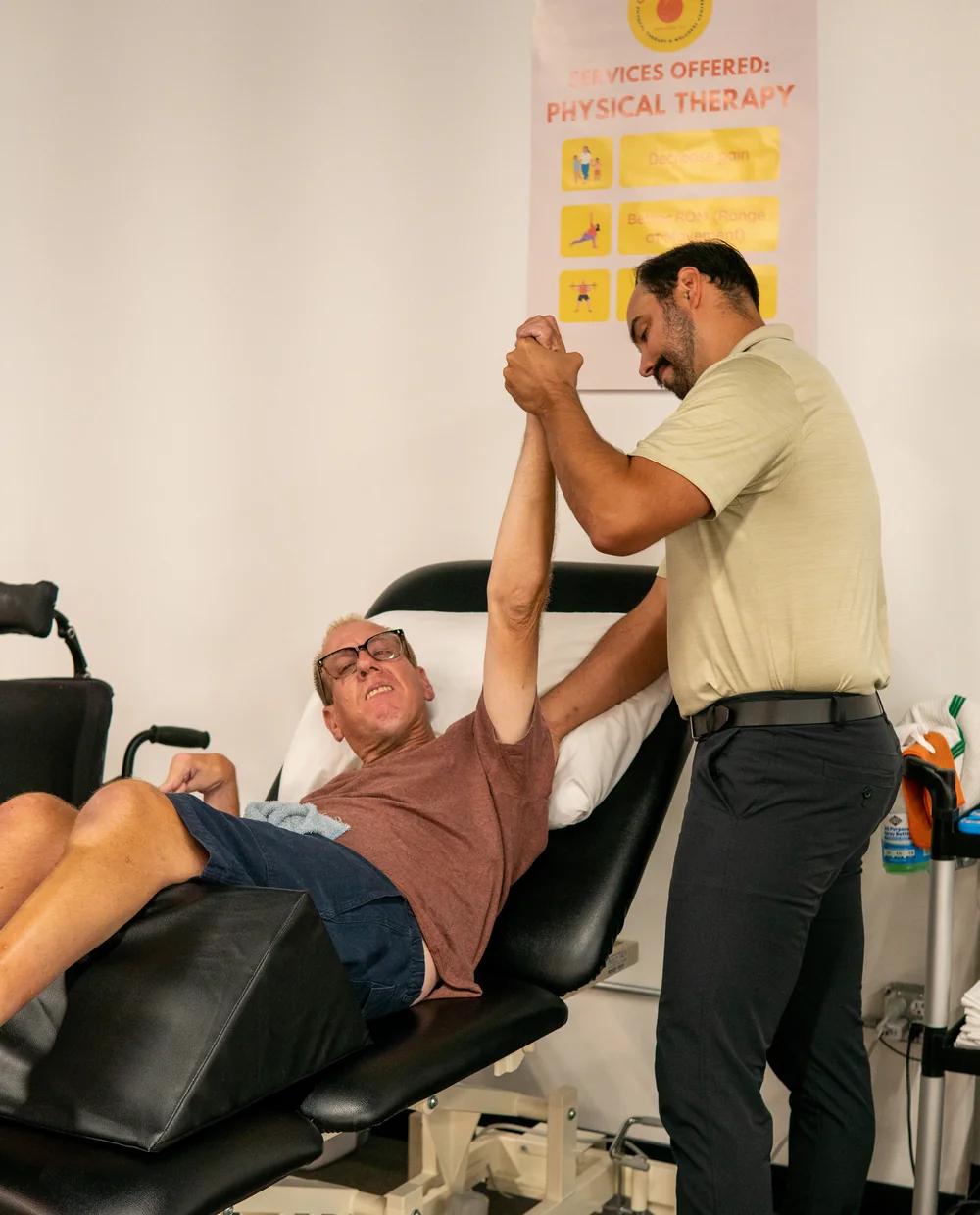
How physical therapy in Redlands helps.
Physical therapy does not reverse cerebral palsy, and nobody here is going to suggest otherwise. What it works on is the distance between what the nervous system allows and what the body is currently doing, and for most people that distance is wider than they think. The work is specific: length restored in the muscles limiting the joint, strength built in the muscles being outvoted by the tight ones, and balance reactions challenged in controlled conditions so they get quicker rather than more cautious. Success is measured in function. Fewer stumbles. A transfer that no longer needs a second person. A day that still has energy left at the end of it.
Sessions run 30 to 60 minutes, one on one. The first visit is about an hour with a doctor of physical therapy who takes the history, does the exam and sets the baseline measurements. Most plans run 2 to 3 visits a week for 4 to 6 weeks, and those measurements get re-tested as you go, so progress is something you can see rather than something you are told. In California you can begin physical therapy without a physician referral for up to 45 days or 12 visits, whichever comes first. Some plans still require one for coverage, so call or text and we will check yours first.
What to expect from a plan of care.
An hour of measuring, not guessing
The first visit takes about an hour, one on one with a doctor of physical therapy. We measure range at the hip, knee and ankle, test strength on both sides, check how tone responds at slow and fast speeds, and watch the movements that matter to you: walking, stairs, floor transfers, getting out of a chair. Those numbers become the baseline every later visit is compared against.
Range first, then strength, then balance
Early sessions go after whatever is limiting the joint, using hands on work, sustained stretching and positioning to give the muscle back some length. Strengthening then makes that range usable, because a range you cannot control is a range you will not use. Balance and gait work runs alongside both, starting where a stumble is safe and progressing toward uneven ground, turning and stairs.
Holding the gains after discharge
Tone and shortening do not take a break when a plan of care ends, so the last phase is about what keeps working without us. That means a maintenance programme built around the two or three things that matter most for you, and a clear sense of what should prompt a call back in. The goal is independence that holds, not a result that fades a month after the last visit.
My experience at Citrus Valley Physical Therapy was most gratifying. My pain is cirrently about a 3 out of 10. When I first arrived my pain level was a 8 out of 10.
What we often treat alongside it.
Neurological Disorders
When the signal to the muscle is the problem, the work is coordination and control, not just strength.
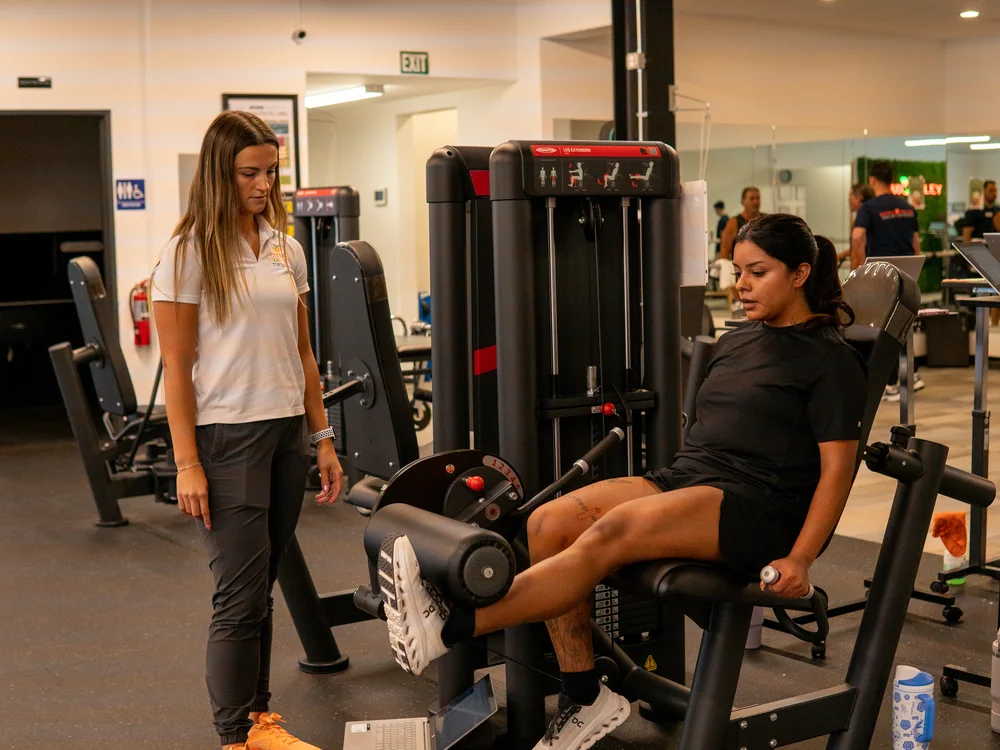
Gross Motor Disabilities
Sitting, crawling, standing and walking, trained in the order the body is ready for them.
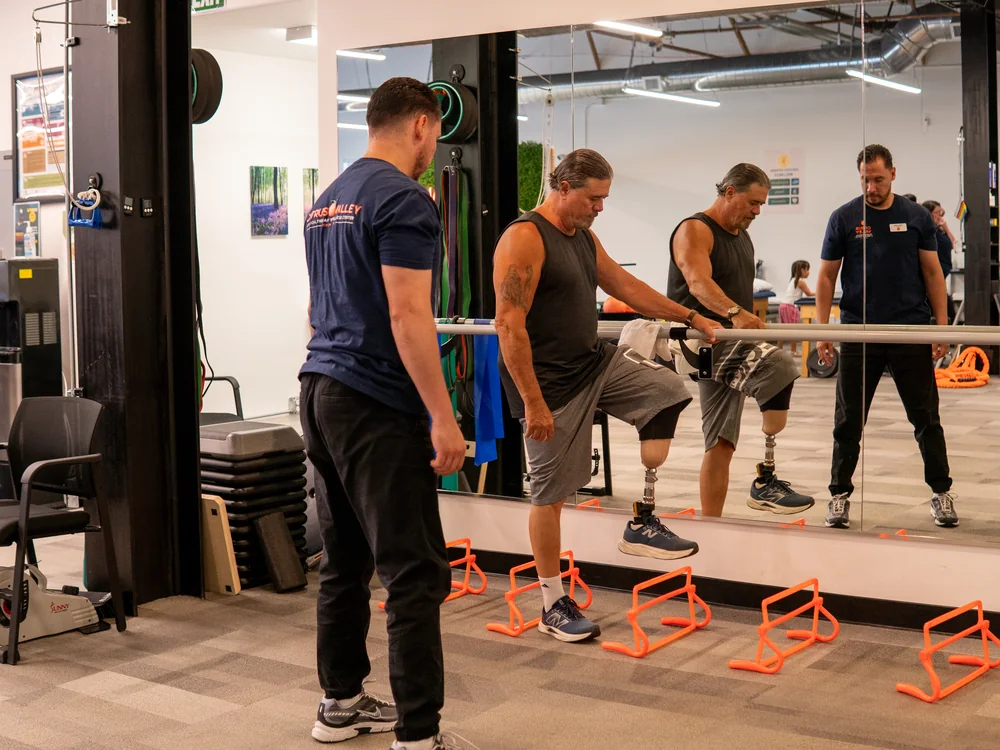
Balance and Gait Disorders
Uneven ground, curbs and turning are where tone and range show up. We train those directly.
Ready when you are.
All fields are required.